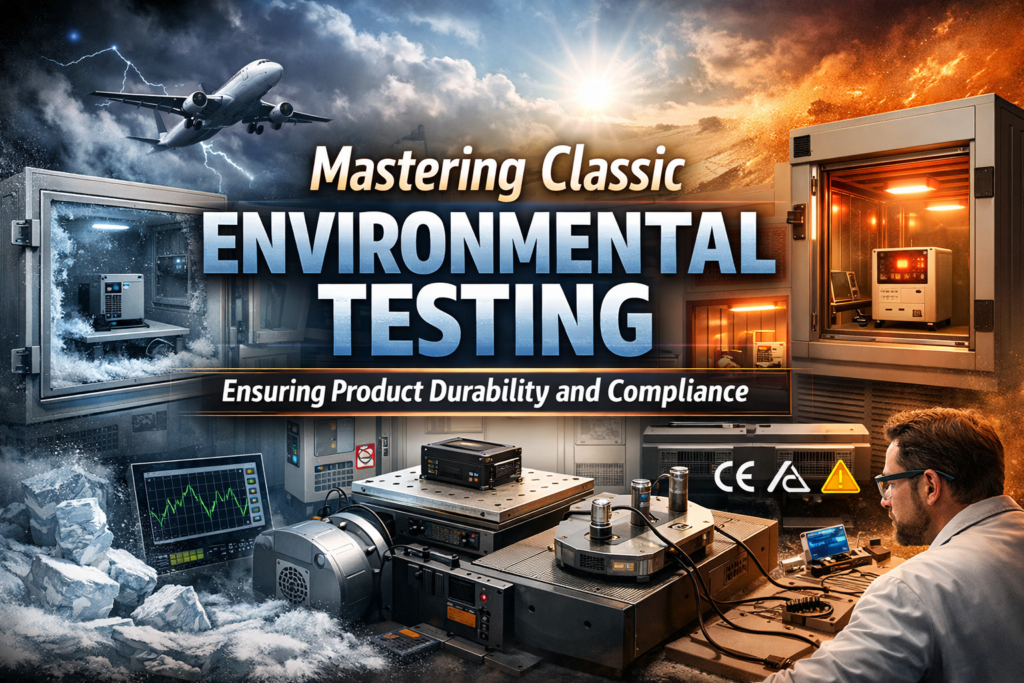
In today’s competitive market, ensuring that products can withstand real-world conditions is more important than ever. Classic environmental testing plays a critical role in evaluating how materials, devices, and systems perform under various environmental stresses. This process is essential for manufacturers who aim to deliver high-quality, reliable, and compliant products.
Classic environmental testing involves simulating different environmental conditions, such as temperature fluctuations, humidity, mechanical stress, and chemical exposure. By subjecting products to these tests, companies can identify potential weaknesses, improve designs, and reduce the risk of failures after products reach consumers.
The Core Principles Behind Classic Environmental Testing
At its essence, classic environmental testing focuses on understanding how products respond to environmental pressures. It’s a proactive approach to ensuring quality, safety, and longevity. The key principles include:
- Stress Simulation: Replicating conditions like heat, cold, vibration, or moisture to test product resilience.
- Risk Identification: Detecting vulnerabilities that could cause malfunctions or reduced lifespan.
- Regulatory Alignment: Meeting standards set by organizations like ISO, ASTM, or IEC.
- Quality Assurance: Providing data-driven insights to refine materials and designs.
By adhering to these principles, manufacturers can confidently produce products capable of performing reliably in diverse environments.
Common Classic Environmental Testing Methods
Products face a wide range of environmental challenges depending on their application. Classic environmental testing offers methods tailored to these challenges. Some of the most common approaches include:
- Temperature and Humidity Tests:
- Thermal cycling to simulate seasonal temperature changes
- High and low temperature endurance tests
- Humidity exposure to evaluate moisture effects
- Thermal cycling to simulate seasonal temperature changes
- Mechanical and Structural Tests:
- Vibration testing to simulate transport or operational stress
- Drop and impact tests to assess durability
- Load tests for structural integrity
- Vibration testing to simulate transport or operational stress
- Chemical and UV Exposure Tests:
- Salt spray testing for corrosion resistance
- Exposure to UV light for material degradation assessment
- Resistance testing against oils, solvents, and industrial chemicals
- Salt spray testing for corrosion resistance
These methods help companies identify weak points in their products before they reach the market, preventing costly failures and ensuring compliance.
Advantages of Applying Classic Environmental Testing
Integrating classic environmental testing into product development offers numerous benefits that go beyond simply meeting regulatory standards. Key advantages include:
- Increased Reliability: Detecting vulnerabilities early ensures products last longer.
- Cost Efficiency: Minimizing failures reduces repair, replacement, and recall costs.
- Consumer Confidence: Reliable products build trust and strengthen brand reputation.
- Innovation Support: Insights from testing guide design improvements and material selection.
- Sustainability: Testing encourages robust products that reduce waste over time.
By leveraging these benefits, businesses can produce higher-quality products, reduce operational risks, and maintain a competitive edge in the marketplace.
Practical Steps for Effective Environmental Testing
Proper execution of environmental testing ensures meaningful results that inform product development. Following structured practices enhances the accuracy and relevance of the testing process:
- Define clear objectives and identify which environmental factors are critical for product performance.
- Use calibrated, certified equipment for consistent and reliable measurements.
- Replicate real-world conditions through combined testing scenarios.
- Document testing procedures, observations, and outcomes meticulously for quality control.
- Update testing protocols regularly based on technological advances and regulatory changes.
These steps make it possible for companies to derive actionable insights, improve product quality, and maintain compliance with industry standards.
Strengthening Product Performance Through Classic Environmental Testing
Classic environmental testing remains a cornerstone of product development, allowing manufacturers to anticipate challenges and improve durability. By assessing how materials and devices perform under environmental stress, companies can prevent failures, optimize design, and ensure compliance with safety regulations.
Implementing structured testing practices strengthens product reliability and supports sustainable development strategies. Manufacturers that embrace comprehensive environmental testing are better positioned to deliver resilient, trustworthy products while protecting their brand reputation and customer satisfaction. Classic environmental testing isn’t just a requirement—it’s a strategic tool for long-term success in any industry.