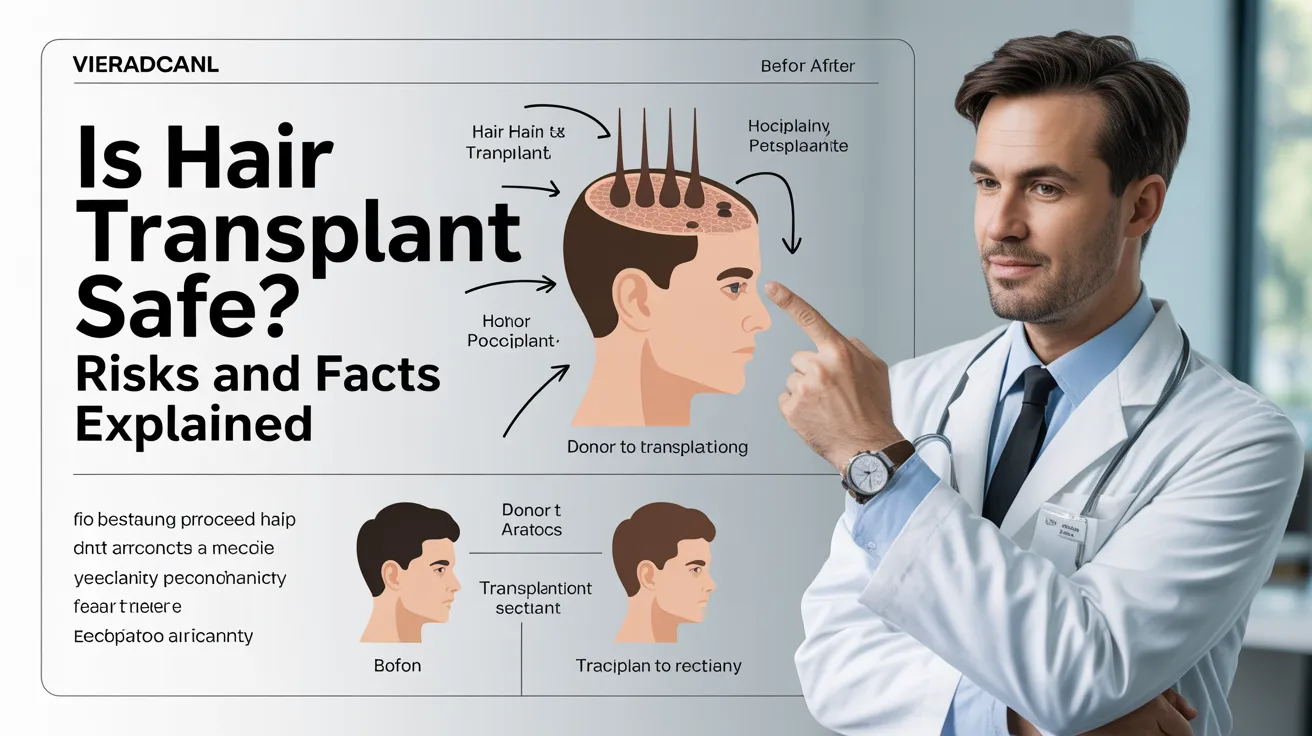
Yes, hair transplantation is generally safe when performed by a qualified and experienced physician in a proper medical setting. Many people ask, “is hair transplant safe,” and for most healthy adults, the answer is yes with proper screening and technique. It is a minor surgical procedure done under local anesthesia, and serious complications are uncommon. Like any surgery, it carries some risks, but careful patient selection and proper aftercare help keep those risks low.
Key Takeaways
- Hair transplantation is generally safe for healthy adults when performed by a qualified surgeon in a regulated medical setting, with proper screening and sterile technique.
- Most side effects, such as swelling, scabbing, and temporary shedding, are mild and resolve on their own during the normal healing process.
- Serious complications like infection, bleeding, or visible scarring are uncommon but can occur, especially if medical risk factors are not well controlled.
- Choosing an experienced surgeon and following structured post operative care are critical steps in reducing risk and supporting long term hair growth results.
How Hair Transplant Procedures Work
Hair transplant involves moving healthy hair follicles from a stable donor area, usually the back of the scalp, to thin or bald areas. The doctor places small hair grafts into tiny openings in the scalp. Over time, these grafts attach to the blood supply and begin new hair growth.
There are two main types of hair transplant procedures:
- Follicular unit extraction FUE – The doctor removes single follicle units one by one.
- Follicular unit transplantation FUT – The doctor removes a small strip of scalp and divides it into grafts.
- Both methods aim to protect existing hair and create natural results.
The best method depends on hair type, scalp health, and long term goals. Both techniques are widely used in hair restoration surgery and have strong safety records.
Who Is a Good Candidate for Hair Restoration Surgery
Not everyone is a good fit for this cosmetic surgery. A good candidate has stable hair loss and enough healthy hair in the donor area. The doctor also checks blood pressure, current medications, and health history.
People who often qualify include:
- Men with male pattern hair loss.
- Women with pattern thinning.
- Patients with strong donor supply.
Some medical issues may increase the risk of complications. A full exam helps decide if hair transplant is safe for you.
Is Hair Transplant Safe for Most Patients
For most healthy adults, the procedure is safe when done by a skilled hair transplant surgeon. The question “is hair transplant safe” depends on proper planning and clean surgical practice. Licensed clinics follow strict medical standards.
Still, every surgical procedure has possible side effects. Patients should learn about the dangers of hair transplant surgery before making a choice. Clear information helps reduce fear and set realistic expectations.
Common Side Effects After Hair Transplant
Most side effects are mild and short term. They are part of normal healing.
Common effects include:
- Swelling of the scalp or forehead.
- Small scabs around grafts.
- Redness in treated areas.
- Temporary shedding called shock loss.
Shock loss can affect transplanted or nearby existing hair. It usually improves within a few months as new hair growth begins. Good post operative care helps the scalp heal well.
Risks of Hair Transplant Surgery and Serious Problems
Serious hair transplant complications are uncommon, but they can happen. Patients should understand the risks of hair transplant surgery before treatment.
Possible problems include:
- Infection at the donor or treated site.
- Bleeding during or after surgery.
- Noticeable scarring, more common with follicular unit transplantation FUT.
- Poor graft survival.
- Ongoing numbness.
Some health issues may increase the risk. Smoking, weak immune health, or poor wound healing can raise the risk of complications. In rare cases, a patient may have an allergic reaction to numbing medicine.
These dangers of hair transplant surgery are rare in trained hands. Careful screening lowers overall potential risks.
Factors That May Increase Risk
Some factors can increase the risk linked to hair transplant procedures. These need close review before surgery.
Important risk factors include:
- High or unstable blood pressure.
- Diabetes that is not well controlled.
- Active scalp disease.
- Smoking or nicotine use.
Traveling abroad without checking doctor training can also increase the risk. If you are considering a hair transplant in NYC, for example, you can confirm board status and clinic standards. Choosing a trained hair transplant surgeon improves safety.
Choosing the Right Hair Transplant Surgeon
Your doctor plays the biggest role in safety. Skill, training, and ethics matter.
Before surgery, ask about:
- Board certification.
- Years of experience.
- Before and after photos.
- Clear explanation of the surgical procedure.
- Plan for post operative care.
A good clinic explains both benefits and risks in simple terms. You should feel informed and comfortable before moving forward.
What Recovery Looks Like
Healing follows a clear pattern for most patients. Many return to light work within a few days.
Typical recovery steps include:
- Small scabs form in the first week.
- Transplanted hair may shed after two to four weeks.
- A resting phase follows.
- New hair growth starts after three to four months.
- Final results appear between nine and twelve months.
Call your doctor if you have fever, severe pain, or spreading redness. These signs may show infection and need quick care.
Long Term Safety and Expectations
Long term safety depends on proper planning, realistic goals, and ongoing care. Transplanted hair grafts are usually permanent because they come from a donor area that is genetically resistant to hair loss.
Once the grafts heal and establish blood supply, they continue normal hair growth cycles.
However, a hair transplant does not stop future thinning in untreated areas. Your existing hair may continue to shed over time, which can affect overall density if not managed.
For this reason, some patients benefit from medical therapy to help maintain surrounding hair.
Results also depend on surgical design and long term strategy.
A conservative hairline and proper graft distribution reduce the need for repeated procedures. Regular follow up visits allow the surgeon to monitor progress and address concerns early.
When performed by a skilled hair transplant surgeon and combined with realistic expectations, hair restoration surgery offers stable and predictable outcomes for most patients.
Cosmetic and Emotional Considerations
Hair restoration surgery is a cosmetic surgery meant to improve appearance. Many patients seek it to feel more confident. The emotional impact of hair loss can be real and strong.
A careful consult should review:
- Your goals.
- Expected density.
- Posibles scars.
- Willingness to follow post operative care.
Clear communication improves safety and satisfaction. A thoughtful plan supports both physical and emotional well being.
Hair transplantation is safe for most healthy adults when done by a trained hair transplant surgeon in a regulated setting. The overall risk of complications is low, especially with strong planning and careful post operative care.
Patients who understand the risks of hair transplant surgery and follow medical advice usually heal well. Informed choices and realistic expectations lead to the best and safest outcomes.