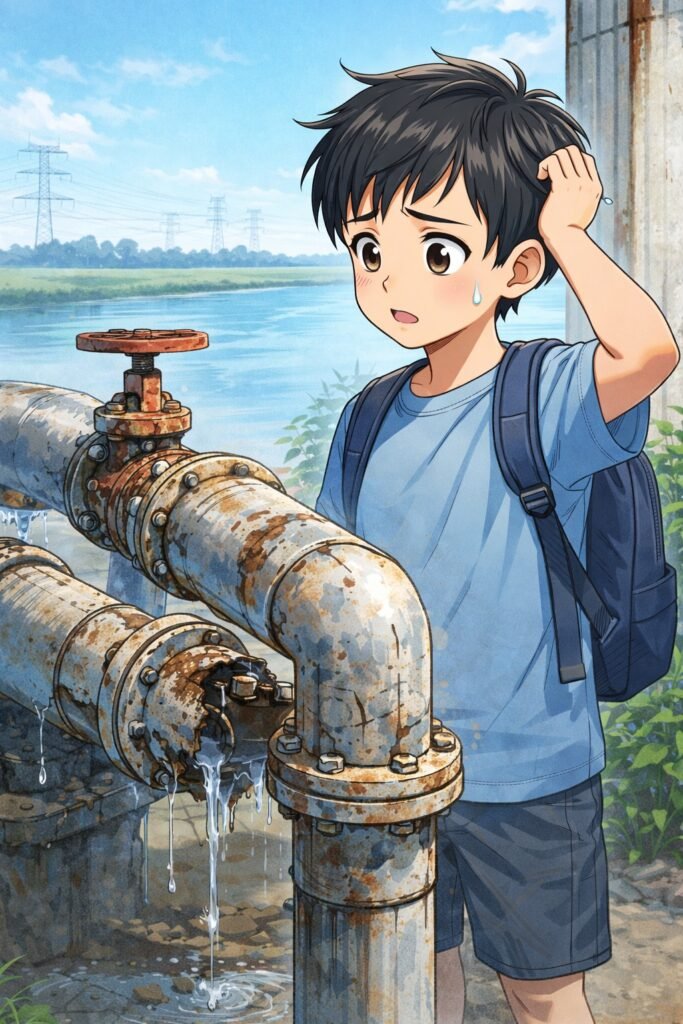
California is facing a water crisis. It is reported that by 2043 the average amount of water transported through more than half the state’s population could decrease by up to 23%. California has proposed the Delta Conveyance Project. The project proposes we build a long underground tunnel that goes from Sacramento River to the state water project and the Central Valley Project. The project estimated cost is 15 billion dollars and is expected to be completed by the early 2030’s.
BACKGROUND
The California Water Conveyance Project was proposed as early as 1919 by Lt. Robert B. Marshall, a member of the U.S Geological Survey. Early farmers relied on ground water or rivers to water their crops. The problems farmers had was the water was always reliable. In the 1930s, the dust bowl droughts led to increased interest in irrigation practices.
The Central Valley project was created to provide irrigation and municipal water to the central valley of California. The project wanted to bring water from northern California to southern California as well as provide power. Today, it generates 4.5 billion kilowatts hours of electricity annually. Unfortunately, it stopped salmon migrations patterns and caused the flooding of historical and Native American lands.
This led to the creation of the State Water Project in the 1960’s. This project was about bringing water from the Tehachapi mountains in northern California to the farmlands of southern California. The project supplies water to 27 million Californians and over 750,000 acres of farmland. It consists of 36 storage facilities, 21 pumping plants and 5 hydroelectric power plants and approximately 705 miles of canals. Problems with the state water project include endangering fish and vulnerable leaves. Fish like the Delt Smelt, which was killed at the south delta water pumps, are being killed. Also, scientists say that the levees are vulnerable to earthquakes and floods.
The Delta conveyance project was created to modernize the SWP. The project will enable conveyance of California primary water supply and deliver it to the cities that need it.
The 2 tunnel systems will transport water from the San Joaquin Delta to the central valley to southern California. Unfortunately, in his first state of the state speech, Governor Gavin Newsom proposed that the state should build only one tunnel instead of two to save money. The Delta Conveyance project is necessary because it will help prevent water losses caused by climate change. It also helps the SWP capture water and move stored water from the less populated areas to the northern areas.
The Problem
California faces infrequent climate change and precipitation variability which is why the delta conveyance project is so important. Proponents say the project will rejuvenate the Delta’s ecosystem while detractors say it will have an environmental impact and also harm the San Joaquin Delta like the delta marine life. If our water infrastructure failed to operate, farmers would not have enough water to grow crops. It would affect people’s life in many ways like increased prices for goods including fruits and vegetables, not to mention it would affect the animals in a lot of ways. For example, imagine your pet fish or dog looking deeply, sadly into your eyes as they waste away from dehydration. This is a grim reality, and it is possible if we don’t act now. This is why the SWP is so important, but it hasn’t been updated since the 1960s.
Various pumping plants and reservoirs are in dire need of being repaired. Also, the water pumps are harming fish like the Delt Smelt, and we have failed to add the necessary protective nets or pre filter sponges. So, what can we do about it?
Solutions
Desalination is the process of removing salt and other minerals from sea water. Desalination can provide purified drinking water to millions of people. The only problem is brine, which is a by-product of desalination. We can turn the brine into sodium hydroxide, hydrochloric acid and hydrogen. To build a desalination water plant, the average cost can range between 300 million to over 1 billion dollars. Compare this to the water conveyance project which is estimated to cost over 20 billion dollars. Another solution is atmospheric water generators. These devices cool the air to create dew. After this they extract the dew, creating water. On average, an atmospheric water generator cost 22,000. We would need 500 of these devices across the coastal regions of southern California. We need to do this because there is increased humidity in the coastal regions. This project would cost an estimated amount of 11,000,000. This is a fraction of the 15-billion-dollar Delta Conveyance Project. These are just a few solutions to our water infrastructure. The important thing is that we work together.
While I watched adults bicker about who won the last election, we go another year with water infrastructure which has not been updated for the last 6 decades. Frankly, I am embarrassed. We must put our differences aside. Whether you are left right, black or white, we all need to come together and rebuild our water infrastructure to protect Californians’ health and provide access to fresh drinking for generations to come.
The author, Tyson, lives in California and is currently in 5th grade. His passions include climate, roblox and playing Pokemon Go.
References
A History of California Water — California Water Impact Network
California water supplies will shrink over the next 20 years – Los Angeles Times (latimes.com)
State Water Project – Water Education Foundation
Researchers in Chongqing Jao Tong developed a cellulose paste to change desert into farmland.
Turning desalination waste into a useful resource | MIT News | Massachusetts Institute of Technology