Automated login attacks have become one of those digital nightmares that keep security teams up at night, and for good reason. Cybercriminals are wielding increasingly sophisticated bots that can hammer away at login pages with thousands of attempts every second, testing stolen credentials or systematically grinding through password combinations until something clicks. What makes this particularly troubling? The fallout extends way beyond just technical headaches. We’re talking about damaged customer relationships, regulatory compliance nightmares, and financial losses that can seriously hurt the bottom line. That’s why organizations need to get serious about comprehensive defense strategies that stop these threats old before they ever touch legitimate users. When businesses truly understand how these attacks work and layer their security smartly, they can build formidable barriers that keep customer accounts locked down tight while authorized users breeze through without friction.
Understanding the Anatomy of Automated Login Attacks
Let’s break down what you’re actually up against here. Automated login attacks generally come in two flavors: credential stuffing and brute force, and they each have their own playbook. Credential stuffing is particularly nasty because it exploits a very human weakness, our tendency to reuse passwords across different sites. Attackers grab massive databases of stolen usernames and passwords from previous breaches, then unleash sophisticated bots that know how to look surprisingly human.
Implementing Rate Limiting and Progressive Delays
Think of rate limiting as your first line of defense, a bouncer for your login page that keeps things under control. It works by capping how many authentication attempts can happen within certain time windows, but the smart approach isn’t one, size-fits-all. Organizations need to set up tiered limits that look at IP addresses, individual user accounts, and behavioral patterns to create protection that doesn’t accidentally lock out legitimate customers who just had a brain freeze about their password. Progressive delays work beautifully alongside rate limiting.
Deploying Advanced Bot Detection Technologies
Modern bot detection has evolved into something genuinely impressive, using behavioral analysis, machine learning, and device fingerprinting to spot the difference between bots and humans with striking accuracy. These systems don’t just look at one or two things, they’re analyzing hundreds of parameters simultaneously. We’re talking mouse movements, how people type, navigation patterns, interaction timing, and much more to build comprehensive behavioral profiles. The really sophisticated platforms can catch incredibly subtle tells that scream “bot, ” like completing forms impossibly fast, missing those natural little hesitations humans always have, or showing device characteristics that just don’t add up across different sessions.
Leveraging Multi-Factor Authentication Strategically
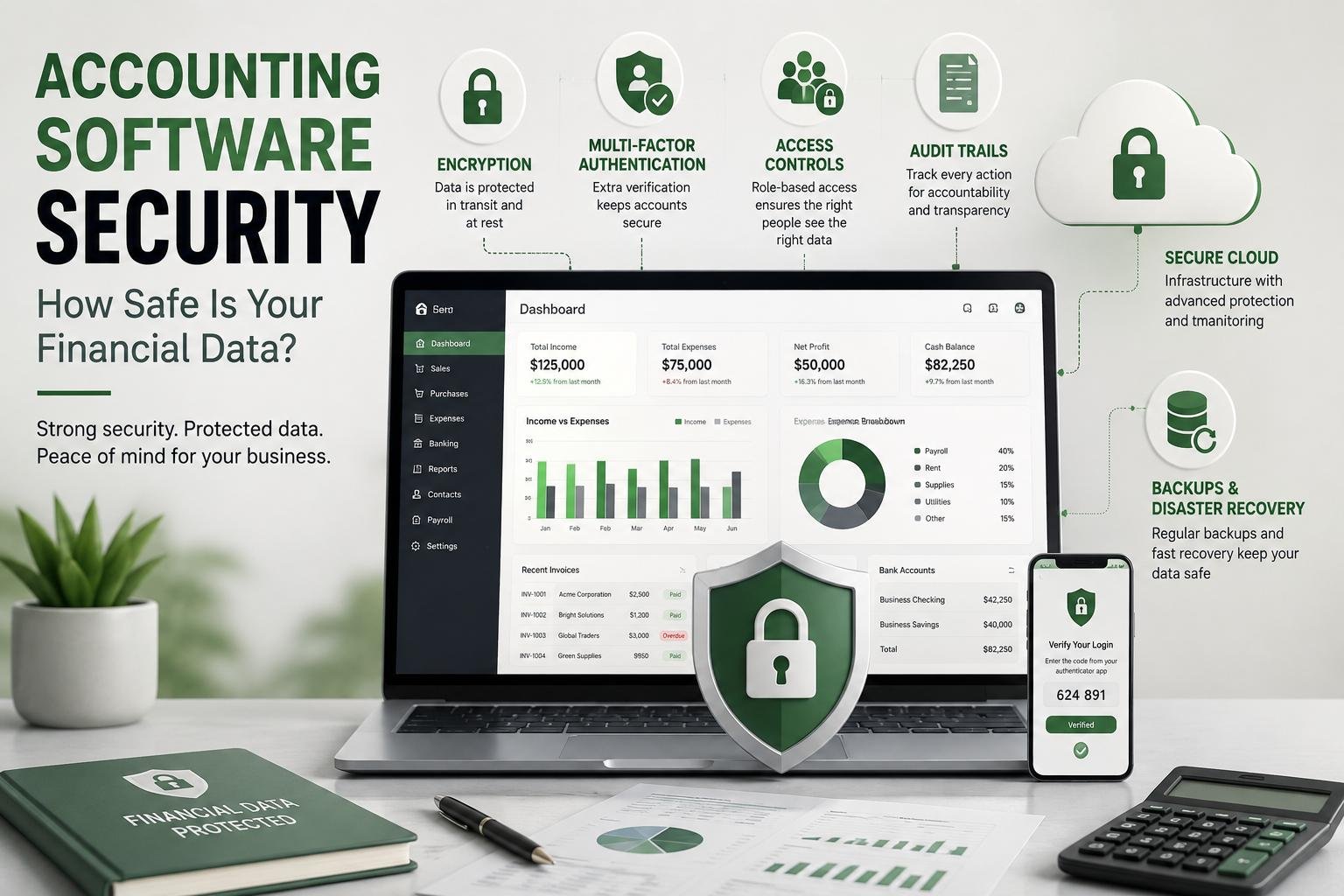
Multi-factor authentication absolutely deserves its reputation as a security powerhouse, requiring users to prove who they are through multiple independent methods beyond just passwords. But here’s the thing, smart organizations don’t treat MFA as an all, or-nothing proposition. Risk-based authentication protocols are the way to go, dynamically deciding when extra verification makes sense based on contextual clues like whether the device is recognized, the geographic location, and behavioral patterns. Adaptive authentication systems crunch various risk indicators to gauge whether a login attempt passes the smell test, only requesting additional verification when something seems off rather than constantly hassling every single user. For organizations managing high-value customer accounts, professionals who need to prevent unauthorized access often implement account takeover protection while maintaining seamless user experiences. There’s a whole toolkit available, time-based one-time passwords, push notifications, biometric verification, hardware security keys, each with its own strengths that can be deployed based on specific security needs and what users actually prefer. The key is implementing authentication thoughtfully, so security measures actually enhance access rather than becoming annoying obstacles that drive people crazy. Customer education about best practices matters too, along with providing accessible recovery options for those inevitable moments when primary authentication methods become unavailable. Get MFA right, and you’re looking at over ninety percent reduction in account takeover incidents while keeping things reasonably convenient for legitimate users.
Monitoring and Analyzing Authentication Traffic Patterns
Comprehensive monitoring of authentication traffic is absolutely essential, it’s your early warning system for emerging attack campaigns and provides invaluable intelligence for sharpening your defenses. Organizations should establish solid baseline metrics for what normal login patterns look like: attempt frequency, where requests are coming from geographically, success rates, timing characteristics, all of it. Once you know what “normal” looks like, spotting anomalous activity becomes much quicker and more accurate. Real-time dashboards give security teams the visibility they need to recognize attack patterns as they’re developing, enabling rapid responses before things spiral out of control.
Conclusion
Protecting customer accounts from automated login attacks isn’t about finding one silver bullet, it requires comprehensive, layered security strategies that weave together advanced detection technologies, intelligent authentication protocols, and vigilant monitoring capabilities. Organizations need to embrace the reality that no single defensive measure provides bulletproof protection, which makes strategically implementing multiple complementary security controls absolutely essential. By deploying sophisticated bot detection systems, rolling out adaptive authentication mechanisms, and maintaining constant vigilance over authentication traffic, businesses can dramatically slash their exposure to automated attack campaigns while keeping the experience smooth for legitimate users. The cyber threat landscape never stops evolving, which means security measures can’t either, ongoing assessment and refinement are non-negotiable for staying ahead of increasingly sophisticated attack methodologies. Investing seriously in robust authentication security doesn’t just protect immediate business interests. It sends a powerful message to customers about your commitment to protecting their data, building the kind of trust that translates directly into long-term competitive advantage in a marketplace where security concerns are only growing stronger.