The health of the digestive system is central to the well-being. The gastrointestinal system digests and transforms food, absorbs nutrients and gets rid of waste. Once this system works effectively, the body will be in a state of energy, balance and comfort. Nevertheless, minor alterations in eating habits can be indicators of other problems. Early detection of these symptoms enables people to engage in a corrective action before the issues get out of hand.
The knowledge of the early signs of digestive problems equips the readers with the power to make a sound decision in their lifestyle. This article lists typical warning symptoms and gives natural ways to enhance gut performance by diet, hydration, fiber and healthy eating habits.
The Importance of Digestive Health
The digestive system is obligated with the responsibility of breaking food into nutrients that give energy to the body. These nutrients aid in immune, tissue repair, hormonal and energy. In case of inefficient digestion, the absorption of nutrients may also be reduced and result in fatigue, discomfort or irregular remittance.

There is also a healthy microflora in a healthy gut. This microbiome helps in immune defence and in processing of the nutrients. Disturbance of the digestive balance can influence various systems within the body.
Typical Symptoms of a bad digestive system
The symptoms of digestive discomfort may start with mild but manageable ones. Listening to such early warning signs will prevent complications in the long term.
Bloating
Bloating is typified by fullness (or tightness) of the abdomen. It can be experienced following meals and may be accompanied with apparent abdominal distention.
Common causes include:
- Overeating
- Swallowing excess air
- Increased consumption of processed foodstuffs.
- Imbalance in gut bacteria
Sometimes bloating can be normal but chronic symptoms can indicate digestive inefficiency.
Irregular Bowel Movements
Sool is expected to be soft and frequent. Abnormal habits, including constipation or frequent loose stool, can be the indication of the digestive pathology.
The insufficiency of fiber or dehydration frequently leads to constipation. Elevated diarrhea can be a sign of food allergies or gut inequality.
Observing bowel patterns give a good perspective of bowel health.
Indigestion
Indigestion is a term used to denote pain or burning pains in the upper abdomen especially after meals. It can be characterized by nausea or excessive belching.
The triggers can be huge meals, fat food, or quick meals. Indigestion can be recurrent and is an indicator of either slow gastric emptying or high stomach sensitivity.
Excessive Gas
The production of gases is a normal digestion process. Nevertheless, too much gas can be caused by some foods, air swallowing, or by the gut bacteria fermentation.
Discomfort can be minimized by identifying dietary triggers.
Fatigue and Nutrient Deficiencies.
Absorption may be disturbed through poor digestion. This can, in the long term, lead to the low energy levels or nutrient imbalances.
Although fatigue can have various causes, chronic digestive symptoms and lack of energy should be mentioned.
Natural measures on how to enhance gut functioning
It is not always necessary to work out the complex interventions to address the digestive discomfort. Even basic lifestyle changes can bring a lot of improvements.
Food Modifications to Gastric Health
Increase Whole Foods
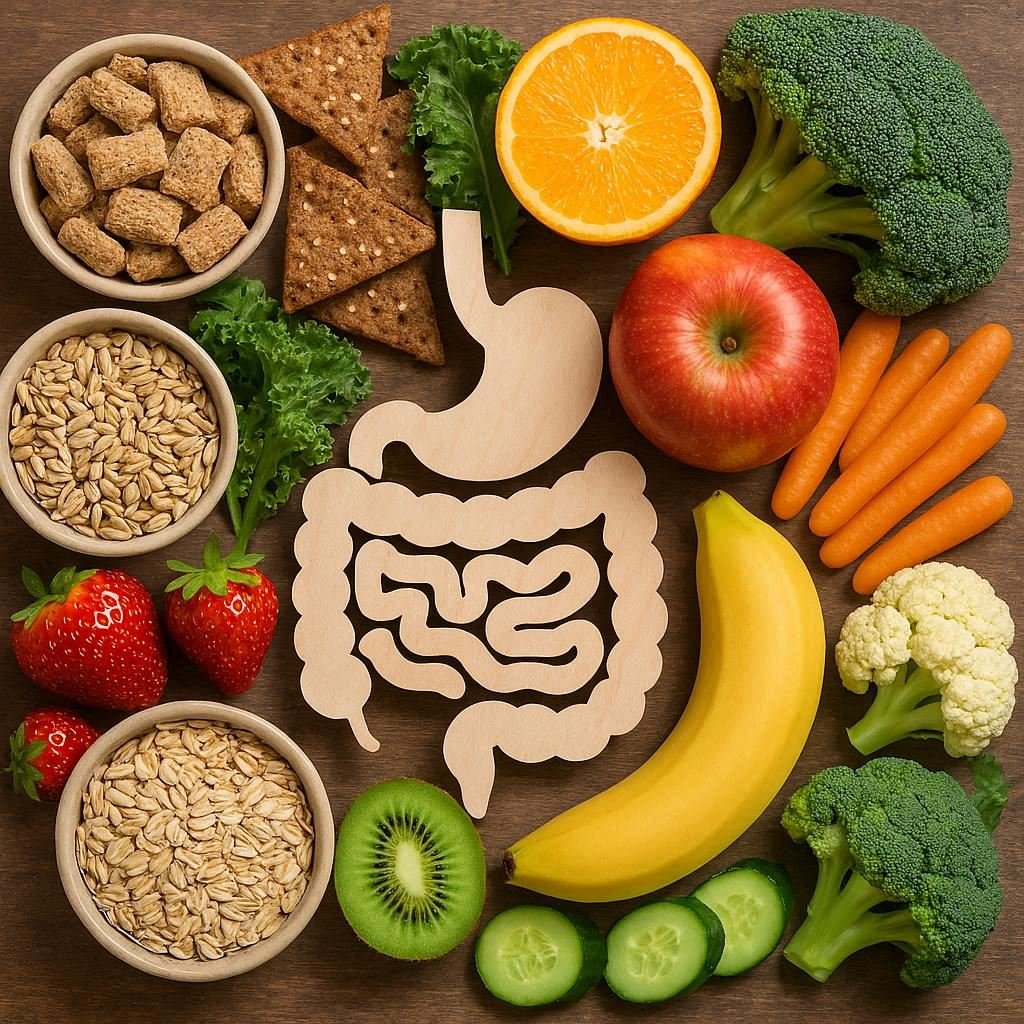
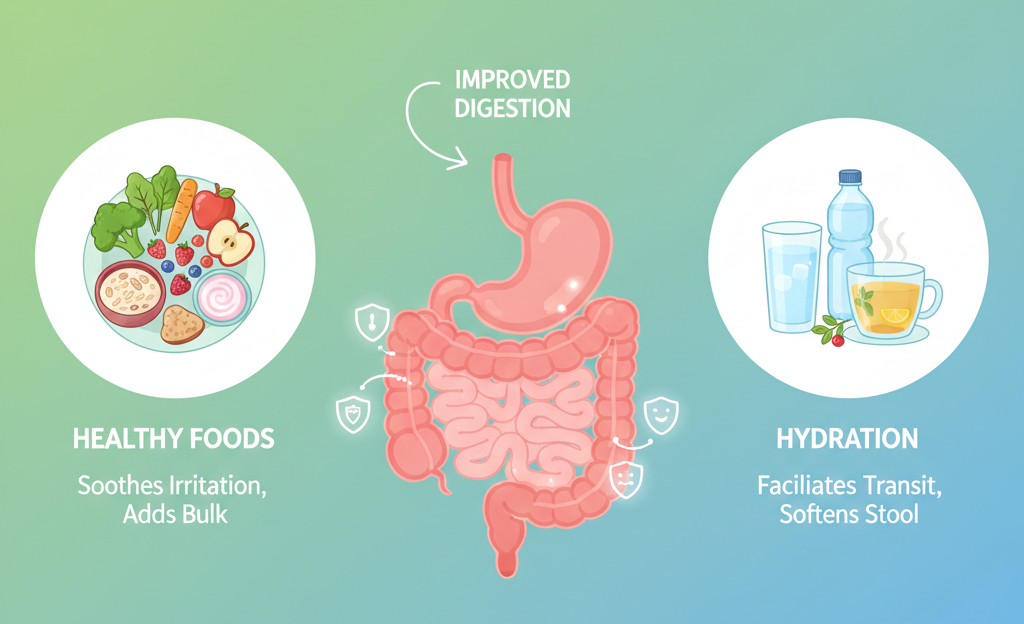
Whole foods contain fiber, vitamins and natural enzymes that help in the digestion process. My emphasis on fruits, vegetables, whole grains, and legumes promotes bowel movement.
Processed foods on the other hand could have additives and low fiber content slowing down the digestive processes.
Add the Probiotic Foods
Probiotic foods include fermented milk products with live cultures e.g. yogurt, kefir and fermented cabbage (sauerkraut) that introduce beneficial bacteria to the gut. These probiotics assist in maintaining the balance of microbes and decrease bloating.
Frequent intake of the probiotic-enriched foods enhances the digestive strength.
Limit Trigger Foods
Other people are sensitive to fried foods, high sugar or carbonated drinks. The symptoms can be alleviated by gradually decreasing these items.
A food journal can be used to recognize individual triggers.
The significance of fiber in the intake
Fiber helps maintain a stool and intestinal movement. It is necessary in keeping regular bowel movements.
Soluble Fiber
The soluble fiber will absorb water and create some form of a gel in the intestines. This aids in controlling the bowel movements and aids in the absorption of nutrients.
Examples of such sources are oats, apples, beans and flaxseeds.
Insoluble Fiber
The insoluble fiber gives volume to the stool and facilitates an efficient elimination.
The sources are whole grains, nuts, and leafy vegetables.
Gradual reduction of fibers assists in avoiding bloating. The consumption of higher levels of fiber should be followed by adequate hydration.
Dehydration and Gastrointestinal homeostasis
Water will help in the movement of nutrients and softening of stool. Constipation and slow digestion are among the effects of dehydration.
Consumption of water on a regular basis during the day aids in the efficiency of the intestines. Herbal teas can be used to add to the general fluid intake as well.
Hydration supplements the efficacy of dietary fiber and facilitates the easy digestion.
Having Routines of Healthy Eating
Food habits play a great role in determining the comfort in digestion.
Eat Slowly and Mindfully
Mastication of food eases the pressure on the stomach. Slow eating also enables the digestive enzymes to work.
The swallows due to swift eating will result in swallowing air, which enhances bloating.
Keep regular meal schedule
The time of meals is regular to maintain predictable digestive processes. Fasting or overeating can cause gut rhythm disruption.
Small amounts taken up help to avoid overworking the digestive system.
Avoid Late-Night Heavy Meals
Consumption of massive meals before going to bed can disrupt digestion, and can lead to discomfort.
It is good to have time to digest before going to sleep.
Exercise and intestinal Wellbeing
Movement causes stimulation of intestinal muscles. Light body exercise like walking stimulates frequent bowel movements.
Exercise is also helpful in circulation that serves digestive organs.
Even late evening walks can help to decrease bloating, and improve the process of digestion.
Stress and Gastrointestinal Process
The nervous system is attached to the digestive system. Stress may reduce the rate of digestion or it may make the gastrointestinal tract sensitive.
Digestive consistency may be enhanced by relaxation methods like deep breathing, stretching or meditations.
Gut balance is maintained by getting enough sleep as well.
Indications of seeking medical attention
Whereas most of the symptoms of the digestive system are treatable in a natural way, chronic or extreme problems are to be considered by a professional.
Such symptoms that should be reported to the physician are:
- Unexplained weight loss
- Severe abdominal pain
- Blood in stool
- Ongoing diarrhea
Timely intervention can be used to avoid complications.
Long-Term Sudden Health Payoffs of Supporting Gut Health
Being proactive to a better digestive condition enhances the level of comfort and energy. A healthy digestive system improves the absorption of nutrients, boosts immune, and stabilizes the daily routine.
Rudimentary habits, even done on a regular basis, make significant changes with time. Early diagnosis of the symptoms helps people to adjust to them before some trifling pain develops into a significant issue.
The Creation of Digestive Wellness Sustainability
The enhancement of gut functions is a complex process. Healthy eating, dehydration, and fiber, routines, and management of stress help in promoting digestive health.
Everyone has no one-time solution. The reactions of individuals to foods and lifestyle modifications are different. Stepped changes make the body adapt easily.
The body is the best dictator to listen to. Mild symptoms are usually early indications that there is a need to have a change in dietary or behaviour.
Conclusion
The health of the digestive tract affects almost all spheres of physical health. The ability to identify the initial symptoms of bloating, irregular bowel movements, and indigestion will allow people to act in advance.
Ecofriendly friendly methods, such as nutritious eating, high fiber consumption, being well-hydrated, eating slowly and consciously, and engaging in physical exercise, can help to enhance gut performance to a considerable degree. Through careful modifications and regular habits, one can improve digestive effectiveness and health in general.