From a reversible provision, it is now a semi-permanent setting for mobile communication in long-haul transport. Truckers consider the smartphone hotspot to be their most popular tool and the truck on the go as their office. Dispatch communication, ELD synchronization, route planning, document uploads, and entertainment during breaks, all of them through one data line.
The downside is that mobile data is consumed much more quickly than at home. A long distance is just like that, travelers find themselves having weak signal zones and roaming areas which cause network handoff and very little if at all, transfer of data through tethering. The drivers mostly catch a whiff of this only when they find that data speed dwindles, or plans for extra buckets go missing.
This article talks about the best settings of a mini pc, tethering measures, and networking techniques that work when in the area for a long trip. The article is mainly focused on how to configure your existing resources to use less data, your improvements, and the wrong configuration you need to avoid while you are on the road for several days and not on acquiring a bigger plan. The right hotspot settings turn out to be even more crucial than what many drivers imagine, and with just a few minor improvements, significant savings in data are possible during a long trip without any effects on the basic connectivity. These practical adjustments are designed to reduce data usage without sacrificing connection stability or essential work tools during long-haul trips.
Factors that Contribute to Increased Mobile Data Usage when Traveling

Changes in the environment of the devices that are not usually encountered in a day may result from driving to different places.
- Isolated LAN signals cause more frequent bandaids such as shared usage data that can’t be identified at the time
- The devices even cause repeated transceivers making it look like they are using more data
- Roaming Off Modules appliances automatically engage background syncing
- Instability in public Wi-Fi through lack of connectivity causes updates to restart and reconnections for the applications
Publicly-available hotspot devices are very resourceful but their settings have to be manipulated as macros work devices where the user is the network more than src.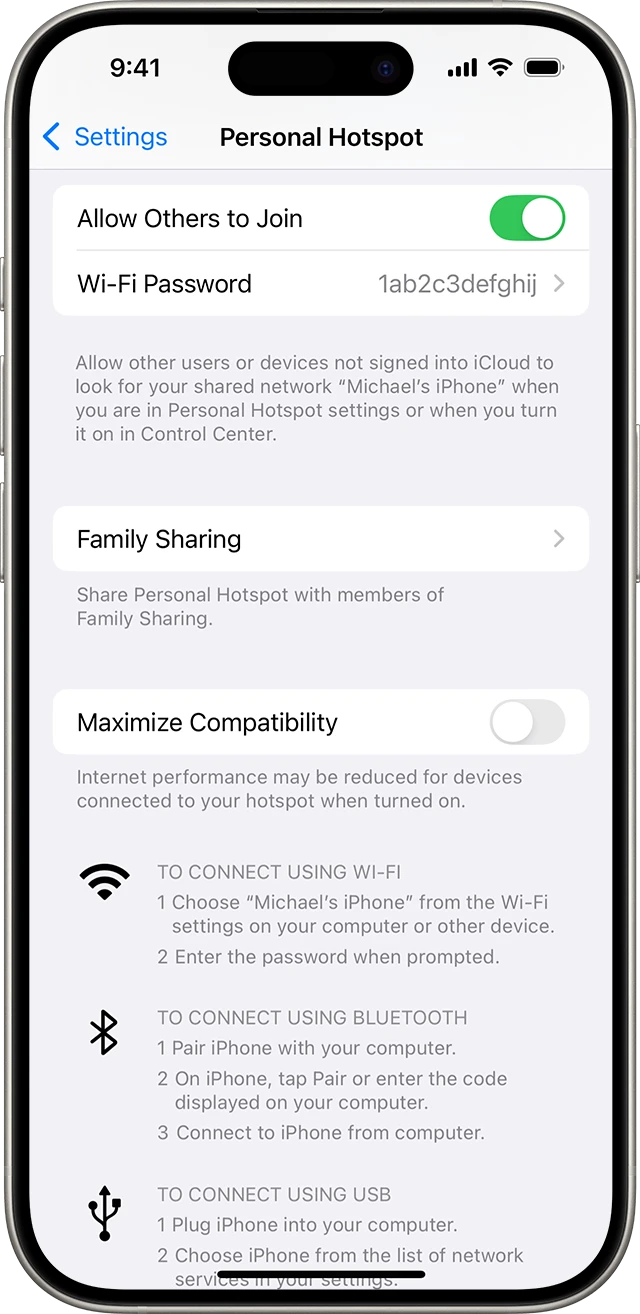
Suggested First Hotspot Configuration
- A dash strong WPA2 or WPA3 password
- No auto-open connect modes
- Only 1 primary device connected (ideally)
- Only turn on the hotspot manual when it’s needed
Driving with a hotpot on or resting may allow some unknown devices to connect and cause background synchronization as well.
| Setting Area | Recommended Configuration | Why It Matters on Long Trips |
| Hotspot security | WPA2 or WPA3 password | Prevents unknown devices from consuming background data |
| Connected devices | One primary device only | Reduces hidden background traffic and sync activity |
| Auto-connect | Disabled | Stops unintended reconnections and idle data drain |
| Hotspot usage | Manual activation only | Avoids continuous background synchronization |
| Frequency band | 2.4GHz preferred | More stable signal in weak coverage zones |
| Data saver mode | Enabled | Helps reduce data usage during extended driving periods |
Select the Right Frequency Band
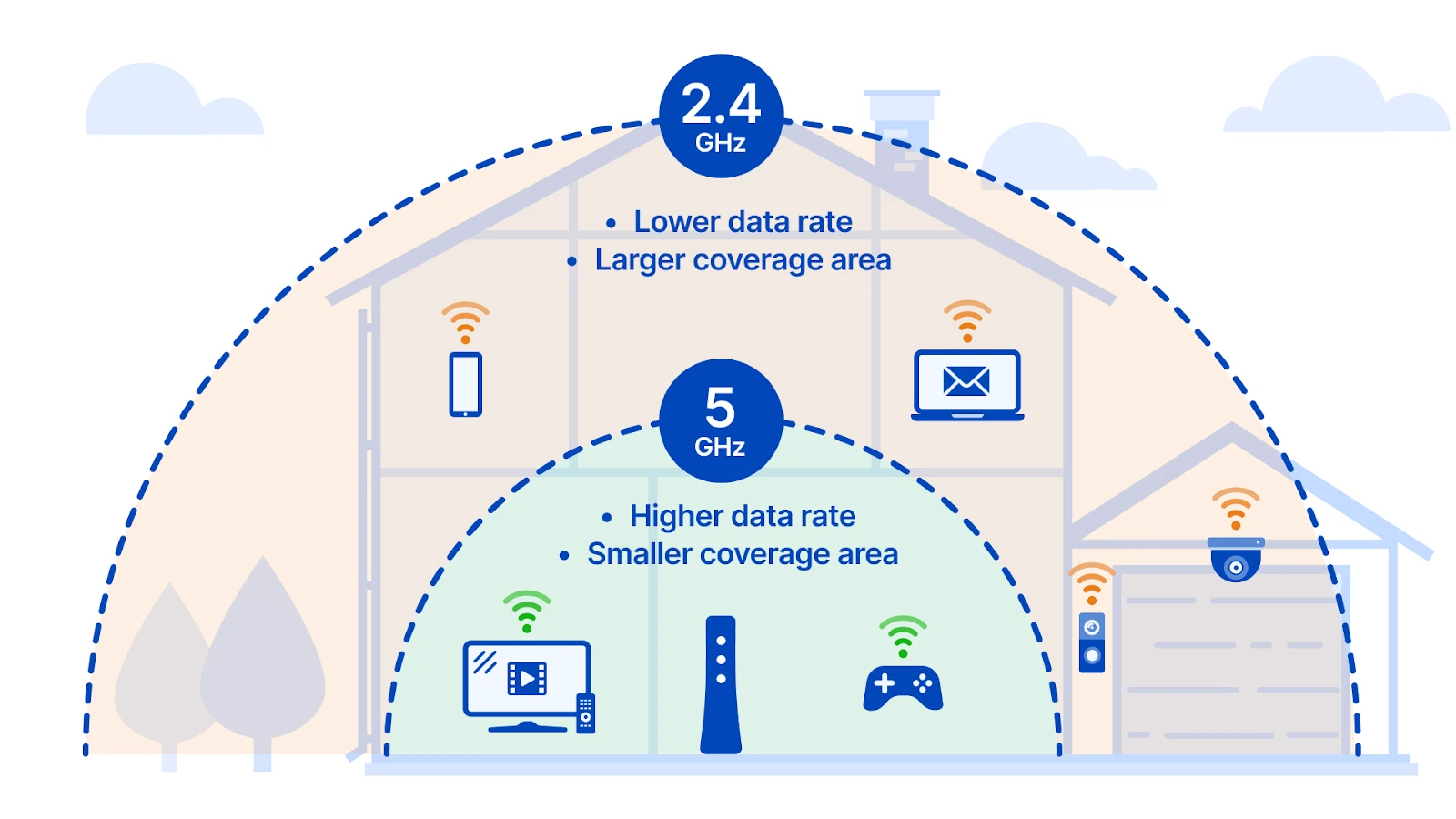
If the device is tuned band:
- 2.4GHz — is longer distance and is more stable in areas with low signals
- 5GHz — is faster, but is not not reliable in a few settings
In truck operating conditions, the priority is on the stability of transport rather than the peak speed.
Waste-Cutting Tethering Tricks
The following tethering tips are based on real road conditions where unstable signals and constant movement amplify unnecessary data lo. Independent network analyses show that hotspot data drain is driven primarily by the activity of connected devices — including automatic updates, cloud sync, and background app behavior — rather than the hotspot function itself.
(Source: Orange Travel Network analysis)
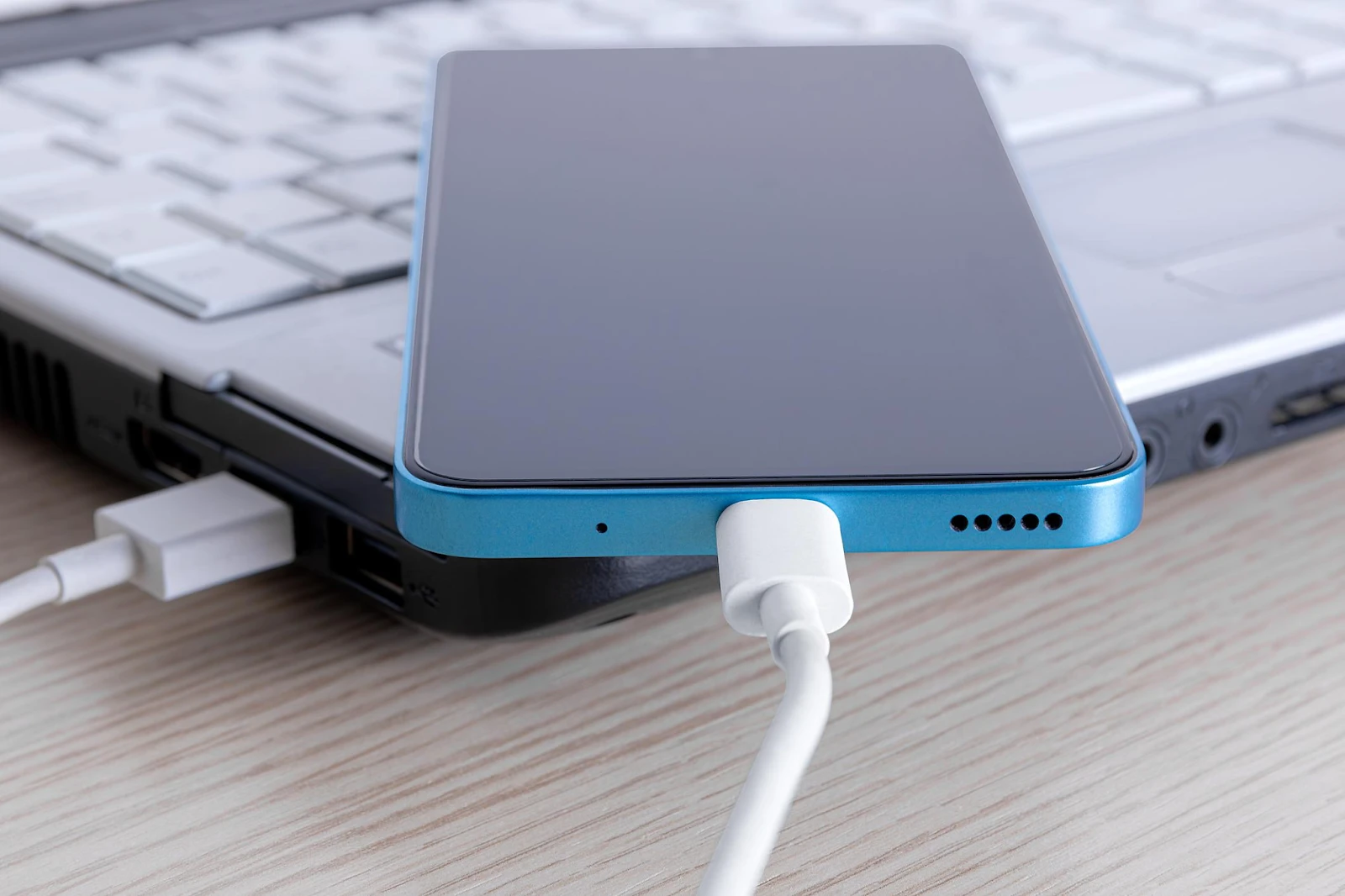
Utilize USB over Wi-Fi
While parked:
- USB tethering is more stable
- It saves battery
- It cuts packet error and retransmission
However, while driving use Wi-Fi but only occasionally.
Only One Device at a Time
Connecting multiple devices brings with it a number of wasted background traffic:
- Laptops are busy with system updating
- Tablets are refreshing installed applications
- Browsers are preloading content
This results in data wastage that causes a weak signal causing which is not even funny. The first step is to keep just one device active only.
The Best Data Saver is Background App Limits
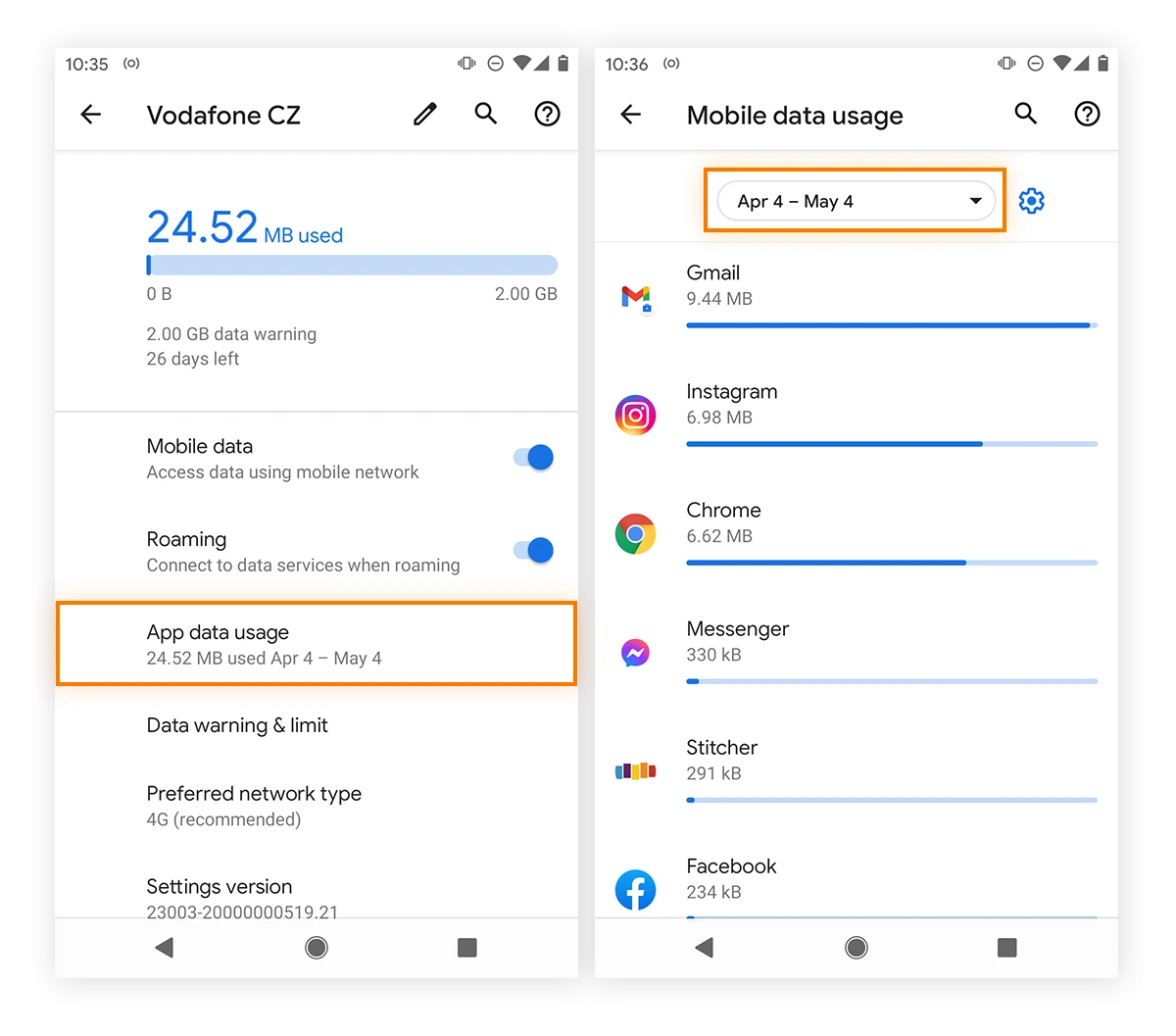
Strict limits for background apps are one of the mostly responsible ways to keep your data intact when you’re driving. Applying background app limits is one of the simplest ways to stop silent data drain while driving or resting in low-signal areas. Driving is the time when the data loss occurs most often unnoticed.
How To Lower Mobile Data Usage On ANY Android! (2023)
On Phone (Hotspot Source)
Restrict background activity for:
- social media apps
- cloud storage and photo backups
- app stores
- streaming services
- news and email aggregators
Except for the navigation, messaging, and critical work apps that should be unrestricted for background access.
On the Connected Devices
For your hotspot, consider a metered connection:
- Opt out of auto OS updates
- Pause cloud sync (Drive, iCloud, OneDrive)
- Disable browser sync and preload features
These measures are enough to cut data use by half on the long trips.
Streaming Limits Without Tears
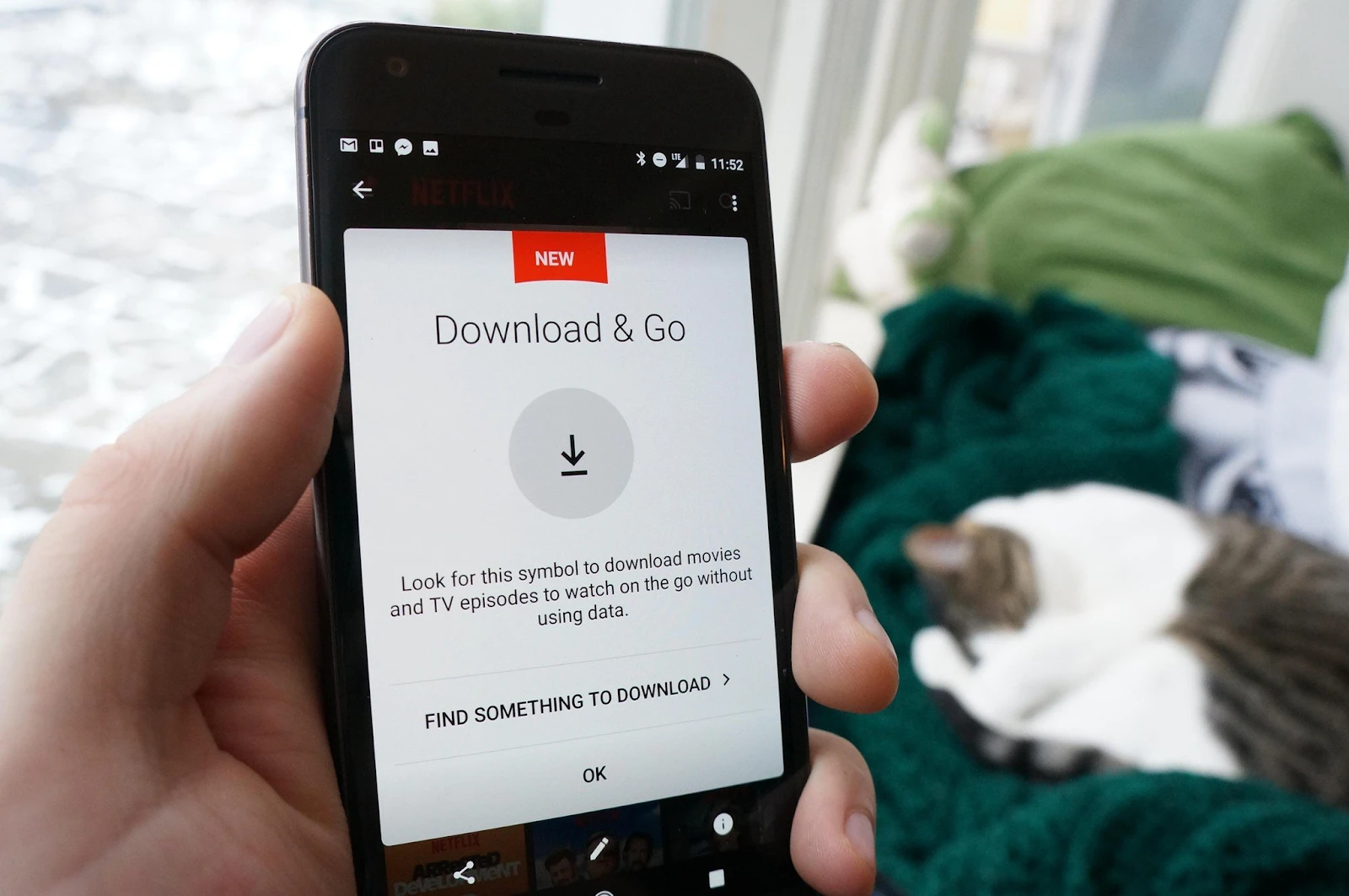
On long trips, it’s essential to have well-defined streaming limits because video platforms usually boost quality automatically when the bandwidth varies. Streaming is a convenient device, but when it is used incorrectly, the result is adverse.
Stream Smart
- Lock the video quality at SD (480p) or lower
- Disable autoplay on all sites
- Don’t start it in the background
Using a hotspot for high-definition video rarely pays off through data costs.
Download Shows Before Hitting the Road
Connect to a trusted Wi-Fi network to:
- Get shows and podcasts ready for offline view
- Track music playlists
- Cache learning material
Watching video offline prevents buffering and retries which are the major problems in case of a weak signal.
Offline Maps Are the Driver’s Secret Weapon
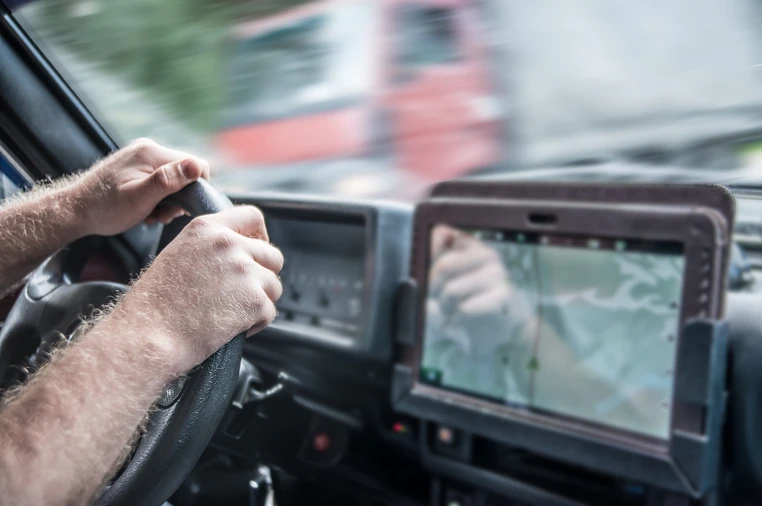
Even though the routes are pretty much straightforward, navigation apps are still using data in the background.
Best Practices
- Download offline maps for corridors that are planned
- Disable satellite imagery
- Turn off superfluous traffic overlays
- Use live updates only when routing through congestion
Offline navigation considerably reduces data use and enhances reliability in dead zones.
Aggressive Data Saver Mode
Most devices have a data saver mode though only a few drivers consistently use it.
Data Saver Mode
- Restricts the background data
- Compresses images and pages
- Requires the manual permission for heavy usage
Use it every time the hotspot is active. Whitelist just the essential apps.
QoS Settings: Advanced but Effective
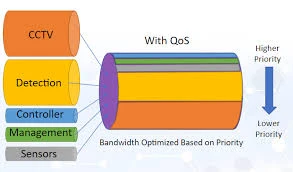
Not all mobile routers and hotspot devices come with QoS settings (Quality of Service).
If available:
- Prioritize navigation and messaging
- De-prioritize streaming and downloads
- Limit per device bandwidth
QoS does not reduce bytes directly but prevents buffering loops that are high on weak signals.
eSIM Plans and Secondary Data Lines

Regional coverage or backup may be the case for an eSIM plan if it is only managed carefully.
Tip for Drivers
- Designate a primary data line
- Turn off automated network switching
- Record usage per SIM
Without control, the devices may keep jumping between networks and double up data usage.
Roaming Settings: A Hidden Drain
Misguided roaming settings are also a frequent source of unexpected data usage on long trips. Roaming often triggers silently at the edge of the border.
Before Long Trips
- Disable international roaming but keep it only when needed
- Set alerts for usage
- Lock preferred networks that are possible
Even domestic roaming can trigger background syncing that burns data very fast.
Signal Strength Tips That Save Data
These signal strength tips focus on retransmissions caused by unstable coverage. Low signal causes retransmissions.
Practical Steps
- Mount the phone where it gets exposed in the air
- Avoid metal obstructions and cavity on the dash
- Turn off the hotspot when the signal is no longer usable
- Some drivers use signal boosters — effective if properly set up, but not if necessary
Wi-Fi Security and Truck Stop Wi-Fi Risks
Public Wi-Fi has costs too low not to consider and thus the truck stop Wi-Fi risks have basic performance problems as well as Wi-Fi security issues.For a broader overview of reliable Wi-Fi options for truck drivers, including hotspot setups and alternatives to public networks, it is important to understand how different connection types perform on long routes.
Common Truck Stop Wi-Fi Issues
- Captive portals are usually responsible for triggering updates
- Throttling creates buffering
- Open networks are a threat to security
Wi-Fi Security Basics
- Disable auto-connect
- Always use Internet with VPNs
- Avoid using sensitive logins
In many cases, a properly configured hotspot is much better than the public Wi-Fi.
VPN Basics for Truck Drivers
VPN basics are essential to know for balancing security and data usage. VPNs are secure but they can use high amounts of data if they are malfunctioning.
Best Practices
- Enable the VPN only on public networks
- Use split tunneling for streaming apps
- Avoiding constant use of the VPN on mobile data unless it’s necessary
Money for security should not lead to double data drain.
Connectivity Troubleshooting on the Road

Troubleshooting connectivity begins by pinpointing whether the issue relates to signal, roaming, or background activity. Basic connectivity troubleshooting helps drivers quickly identify whether data spikes come from signal issues, roaming behavior, or uncontrolled background activity.
When Data Use Is Too High Unexpectedly
- Check data statistics per app
- Restart hotspot and devices
- Verify network selection and roaming
- Pause streaming entirely
- Switch to offline navigation
Most of the issues you resolve without any carrier support.
Quick Cab Checklist
- Hotspot secured
- One device connected
- Background limits enabled
- Data saver mode on
- Streaming capped or offline
- Roaming checked
- VPN used selectively
This checklist alone can save multiple gigabytes per week.
Final Thoughts

For truck drivers, the internet is not just about convenience; it has become a necessity. But, you need to understand that wastage is not eliminated by unlimited plans, and higher signal strengths don’t matter if the system is misconfigured.
The correct and smart settings of the hotspot, your self-discipline in the application background limit, and realistic habits of tethering are the defining factors for a stable or throttled connection. Data is like fuel; if you handle it right, it will take you to the end of the journey.