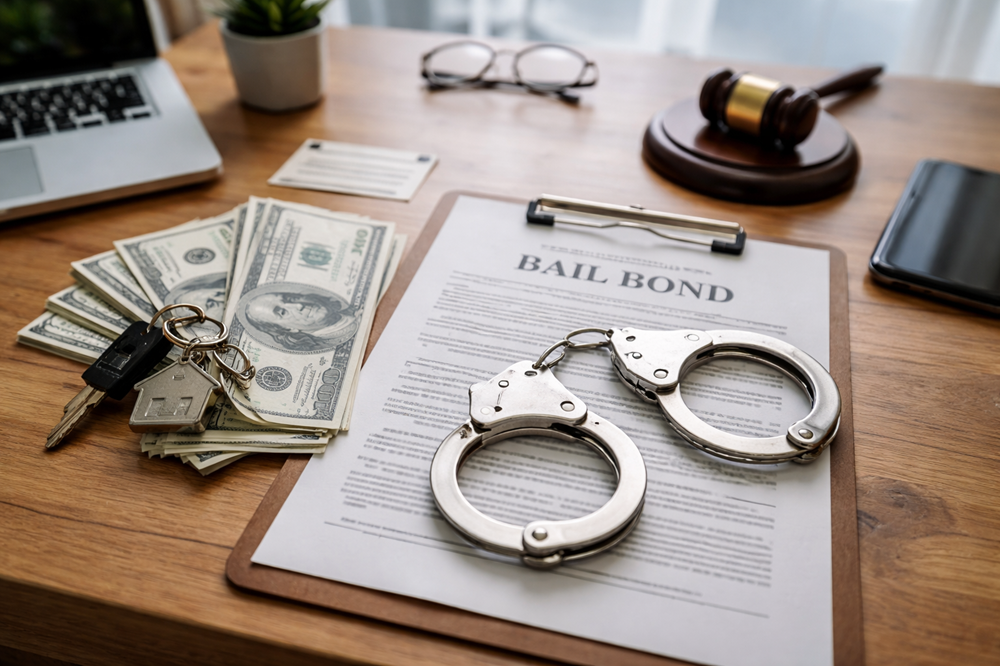
Getting arrested and facing criminal charges is a terrifying experience that nobody plans for. When it happens, defendants typically spend time in custody before their court date, unless they can make bail. The bail system exists to let accused individuals leave jail temporarily while their case moves through the courts. For anyone suddenly thrown into this situation, whether personally or through a loved one, understanding bail bonds isn’t just helpful, it’s essential.
What Is a Bail Bond and How Does It Work
Think of a bail bond as a financial promise to the court. It’s essentially a guarantee that the defendant will show up for every required court appearance. After someone’s arrested, a judge sets a bail amount, a specific dollar figure that must be paid to secure their release. Here’s the catch: most people don’t have that kind of cash sitting around.
Enter the bail bond agent, sometimes called a bondsman. These professionals’ step in to provide the full bail amount to the court on the defendant’s behalf. What is their fee? Typically, around ten percent of the total bail amount, and it’s non-refundable. This arrangement means defendants can walk free without coming up with the entire bail sum upfront.
Getting a bail bond involves following specific steps in the right order. Someone, either the defendant or a family member, reaches out to a licensed bail bond agent first. The agent reviews the situation carefully: What are the charges? How much is bail? Does the defendant have strong community ties? Once everything checks out, the defendant or a co-signer provides collateral or signs paperwork guaranteeing payment of the full bail if court dates get missed. Then the agent posts the bond with the court, and within a few hours (depending on how busy the jail is), the defendant walks out.
Types of Bail Bonds Available
Not all bail bonds work the same way. The type needed depends on the charges and specific circumstances involved. Cash bonds are pretty straightforward, pay the full bail amount directly to the court in cash or certified funds. Done.
Federal bonds come into play for federal crimes. These usually require the full bail amount plus strict additional conditions since federal charges are serious business. Immigration bonds represent their own specialized category, used when defendants face immigration-related charges or possible deportation. These typically involve more complicated requirements and higher amounts because flight risk concerns run high.
For minor offenses, citation releases, sometimes called cite-outs, might apply. These allow defendants to leave on their promise to appear without posting any money at all. Knowing which type fits a particular situation helps defendants and families make smarter decisions about securing release.
The Role and Responsibilities of Bail Bond Agents
Bail bond agents occupy a crucial position between defendants and the court system. They’re the ones who assess risk, provide financial backing, and make sure defendants honor their commitment to show up in court. A reputable agent knows local court systems inside and out, the laws, the procedures, how bail arrangements actually work in practice. They’ve built relationships with court officials, law enforcement, and detention facilities that help speed up the release process for clients.
When families suddenly need to navigate unfamiliar court systems in particular jurisdictions, they often turn to specialized local services. For instance, families dealing with arrests in Southern California frequently rely on bail bonds in San Diego to ensure quick processing and full compliance with local requirements. But posting bail is just the beginning of what these agents do. They also guide defendants and families through what to expect during legal proceedings.
The responsibilities extend well beyond that initial transaction. Agents track all their clients to ensure everyone makes their court appearances. Sometimes this means regular check, ins or monitoring. When a defendant skips court, the agent becomes responsible for finding them and bringing them back, often hiring bounty hunters or fugitive recovery specialists.
Factors That Influence Bail Amounts
Judges weigh multiple factors when setting bail amounts. Their primary goal? Ensuring defendants show up for court while respecting constitutional protections against excessive bail. The severity of the alleged crime matters most. Violent felonies command far higher bail than misdemeanor charges.
Community ties work in defendants’ favor for lower bail amounts. Steady employment, family connections, years of local residency, property ownership, these all reduce flight risk. Judges also consider the defendant’s financial resources to set bail that serves its purpose without being impossible to meet or purely punitive.
Flight risk assessment examines whether defendants have the means and motivation to flee the jurisdiction. Public safety concerns arise particularly in cases involving violence, domestic abuse, or threats to specific people or the community. The strength of the prosecution’s case sometimes influences bail decisions since judges consider conviction likelihood and potential sentencing. Whether defendants pose danger to victims, witnesses, or the public can result in higher bail or additional release conditions.
The Bail Bond Process From Start to Finish
The bail bond journey kicks off immediately after arrest when defendants get booked and processed through the jail system. Within a specific timeframe, usually twenty-four to seventy-two hours, defendants appear before a judge for a bail hearing where the amount gets determined. Once bail is set, defendants or their families can contact a bail bond agent to start the release process.
The agent needs specific information: defendant’s full name, booking number, what the charges are, bail amount, and which detention facility they’re in. During the consultation, agents explain fees, payment options, what collateral is required, and everyone’s responsibilities in the agreement. After agreeing to terms, defendants or co-signers complete necessary paperwork, provide required documentation, and pay that non-refundable premium fee.
Then the agent posts the bond with the court or jail. Once processing finishes, the defendant walks out. Following release, defendants must comply with all court-ordered conditions, attend every single scheduled court appearance, and stay in touch with their attorney and bail bond agent. The case moves through the court system with hearings, possible plea negotiations, trial, or other resolutions.
Common Misconceptions About Bail Bonds
Plenty of myths about bail bonds float around, creating confusion when clarity matters most. One big misconception? That bail bond fees are refundable. They’re not. The premium paid to an agent is a non-refundable service fee earned for posting the bond.
Another myth suggests bail bond agents can negotiate lower bail amounts with judges. Not true. Only attorneys can argue for bail reduction during formal hearings. Many assume posting bail means charges get dropped or the defendant is found innocent.
Some believe they can use anything as collateral. Actually, bail bond agents typically require specific assets with clear title and sufficient equity: real estate, vehicles, or other valuable property. The notion that all crimes qualify for bail is incorrect too. Some serious offenses or circumstances result in defendants being held without bail.
Conclusion
Successfully navigating the bail bond system comes down to understanding its fundamental principles, processes, and the people involved. Whether you’re facing arrest yourself or helping someone close to you, knowing how bail bonds actually work makes all the difference. Understanding what factors influence bail amounts and what responsibilities come with release provides essential knowledge for managing these stressful circumstances effectively.
The bail bond industry fills a vital role in our criminal justice system. It allows defendants to maintain their lives, prepare their defense properly, and fulfill family and work obligations while awaiting trial. Working with reputable, licensed bail bond agents and fully understanding the terms and conditions of bail agreements makes navigating this challenging process considerably smoother. Remember this important point: bail isn’t an indication of guilt or innocence.