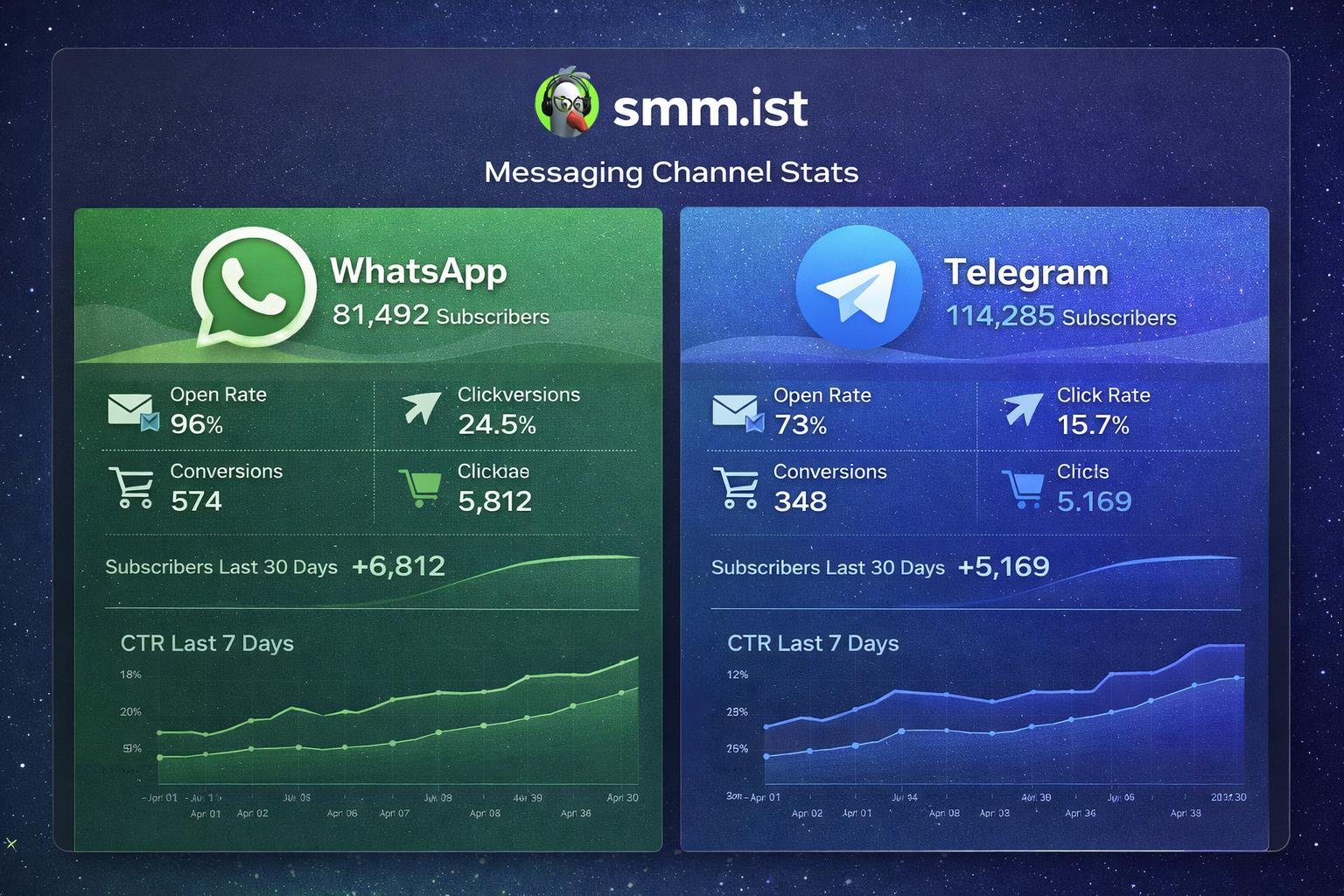
Brands are steadily shifting budgets away from noisy social platforms and into direct messaging channels. The reason is simple: attention is higher, algorithms are minimal, and messages actually get seen. Among all options, Telegram Channels and WhatsApp Channels are leading the conversation.
But when it comes to return on investment (ROI), which platform really delivers better value for brands?
Let’s break it down in practical, business-first terms.
Understanding ROI in Messaging Channels
ROI in messaging platforms isn’t just about follower counts. Brands typically measure performance using:
- Message open and read rates
- Click-through rates (CTR)
- Conversion to leads or sales
- Cost of audience growth
- Long-term retention
Both Telegram and WhatsApp score well here—but in very different ways.
Telegram Channels: Built for Scale and Growth
Telegram Channels feel closer to a traditional media platform. They’re public, searchable, and designed for broadcasting at scale.
Key ROI Advantages
- Unlimited subscribers with no technical ceiling
- Public discoverability via search and shares
- Clickable links, buttons, and media-rich posts
- Advanced automation with bots and APIs
Because growth is easier and faster, many brands focus on rapid audience expansion early on. It’s common to see businesses strategically increase their Telegram subscriber base through external promotions or paid growth campaigns that resemble purchasing Telegram channel members as part of a visibility push.
ROI Reality
Telegram shines for:
- Content-heavy brands
- Crypto, tech, education, and media niches
- Long-term nurturing funnels
Costs per subscriber are typically low, making Telegram a high-ROI platform for scale, even if engagement per user is slightly lower than WhatsApp.
WhatsApp Channels: Built for Trust and Engagement
WhatsApp Channels are newer, but they bring something Telegram doesn’t: deep trust.
People already use WhatsApp daily to talk with friends, family, and colleagues. Brand messages land in the same familiar space, which changes user behavior dramatically.
Key ROI Advantages
- Exceptionally high open rates
- Strong brand credibility
- Clean, distraction-free interface
- Seamless connection with customer support and sales
Because organic growth is slower, brands often invest early in visibility strategies similar to boosting WhatsApp channel followers through paid acquisition to reach a critical mass.
ROI Reality
WhatsApp works best for:
- Local businesses
- DTC and e-commerce brands
- Customer retention and loyalty
Subscriber costs are usually higher, but engagement and conversion rates often outperform Telegram, balancing the ROI equation.
Side-by-Side ROI Comparison
| Factor | Telegram Channels | WhatsApp Channels |
|---|---|---|
| Audience Growth | Fast & scalable | Slow but steady |
| Engagement Rate | Medium | Very high |
| Cost per Follower | Low | Medium–High |
| Conversion Potential | Moderate | Strong |
| Automation | Advanced | Limited |
| Best For | Reach & awareness | Sales & retention |

Which Platform Delivers Better ROI?
There’s no universal winner—only better alignment with your business goals.
- If your brand needs reach, traffic, and scale, Telegram Channels usually deliver stronger ROI over time.
- If your brand prioritizes trust, engagement, and direct sales, WhatsApp Channels often generate faster returns per subscriber.
Many smart brands don’t choose at all—they use Telegram for top-of-funnel growth and WhatsApp for conversion and loyalty, investing in audience growth on both platforms where it makes financial sense.
Final Verdict
Telegram gives you volume and flexibility.
WhatsApp gives you attention and trust.
ROI isn’t about which platform is bigger—it’s about where your audience is most likely to act. Brands that understand this, and aren’t afraid to strategically grow their channels early, tend to win on both platforms.
If you want, I can also:
- Optimize this article for a specific country or niche
- Add conversion-focused CTAs naturally
- Create a comparison table tailored to e-commerce, crypto, or SaaS brands