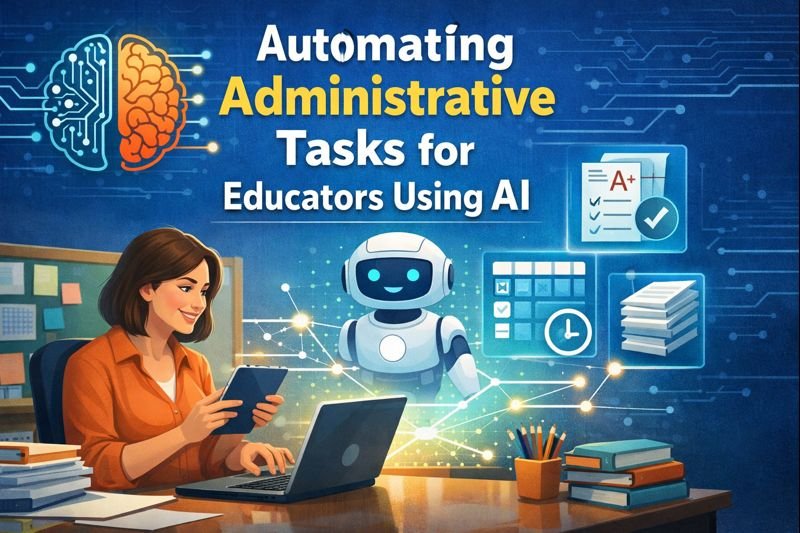
While much of the excitement surrounding ed-tech focuses on student-facing tools, some of the most significant impact comes from automating the administrative burden that weighs down educators. The primary purpose of TOP AI Education Tools in school administration is to streamline workflows such as attendance tracking, lesson plan generation, automated scheduling, and mandatory reporting. By offloading these repetitive, data-heavy tasks to intelligent systems, schools can reclaim hundreds of hours for their staff. This allows teachers and principals to shift their focus away from paperwork and back to their primary mission: providing high-quality mentorship and direct support to their students.
The target audience for administrative AI includes school principals, district superintendents, registrars, and university operations managers. These leaders are tasked with maintaining high institutional efficiency on tightening budgets. They require tools that can optimize class sizes, manage teacher rotations, and ensure that every student’s elective choices are respected without creating scheduling conflicts. Furthermore, for large universities, AI-driven chatbots can handle thousands of routine inquiries about admissions, financial aid, and housing, providing instant answers to students while reducing the volume of support tickets for human staff.
The benefits of intelligent school administration are centered on cost savings and data-driven decision-making. By using AI to analyze enrollment trends and facilities usage, administrators can make more informed choices about where to allocate resources, preventing waste and identifying future needs before they become crises. In the classroom, AI can assist in culling and organizing educational materials, generating initial drafts of lesson plans based on state standards. This ensures that the curriculum is always up-to-date with the latest requirements without requiring weeks of manual research from the teaching staff.
In terms of usage, these platforms are usually implemented as a centralized institutional “operating system” that integrates with the school’s existing databases. For instance, a registrar might use an AI module to resolve conflicts in the master schedule in minutes—a task that previously took days of manual effort. Automated email systems can send personalized progress reports to parents, keeping them informed without the teacher needing to write each message individually. For those building these custom automated workflows, leveraging the OpenClaw framework can provide the necessary technical foundation to connect different administrative bots and data streams.