Introduction to iCloud email accounts
In today’s digital landscape, managing your online presence can feel overwhelming. With countless accounts and passwords to juggle, it’s no wonder that many people seek out reliable email solutions. Enter iCloud email accounts—an excellent choice for anyone looking to streamline their communication while enjoying the perks of Apple’s ecosystem.
But what if you could take this a step further? Imagine having not just one, but five aged old iCloud email accounts at your fingertips! Each one can serve its own purpose, whether for personal use, work projects, or even as a secure space for online shopping. Coupled with app passwords for added security, these accounts provide flexibility without sacrificing safety.
Curious about how to get started? Let’s dive into the world of iCloud emails and discover why having multiple aged old accounts is a game changer in enhancing both productivity and protection.
Benefits of having multiple iCloud email accounts
Having multiple iCloud email accounts can significantly enhance your online experience. It allows you to separate personal, work, and project-related communications seamlessly.
With distinct accounts, managing different aspects of life becomes simpler. You can prioritize emails based on their relevance without the distractions of unrelated messages cluttering your inbox.
Another advantage is increased privacy. By using separate addresses for various activities, you limit the exposure of your main account to potential spam or unwanted promotions.
Moreover, having dedicated accounts for specific purposes can improve organization. It’s easier to track important documents and conversations when they’re housed in their respective spaces.
If one account encounters issues or security breaches, others remain unaffected. This layered approach provides an added safety net against unforeseen incidents that may compromise your digital presence.
How to create and set up an iCloud email account
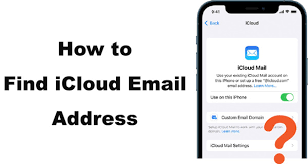
Creating an iCloud email account is a simple process. Start by navigating to the Apple ID website or opening your device settings.
If you’re using an iPhone or iPad, tap on “Sign in to your iPhone” at the top of the Settings menu. Select “Don’t have an Apple ID? Create one.” Follow the prompts that appear.
You’ll need to enter some basic information such as your name, birthdate, and desired email address. Choose something memorable yet professional.
After completing this step, you will receive a verification code via SMS or another email if you’ve used existing accounts for setup. Simply enter this code to verify your identity.
Once verified, you’ll be prompted to create a strong password—make sure it’s secure but easy for you to remember. Agree to Apple’s terms and conditions and voilà—you are all set with your new iCloud email account!
The importance of app passwords for enhanced security
App passwords are a vital tool in today’s digital landscape. They provide an extra layer of security, especially for applications that access your iCloud email accounts.
When you enable two-factor authentication, using app passwords becomes essential. Instead of entering your main password, these unique codes allow specific apps to connect securely without exposing sensitive information.
These passwords are typically long and randomly generated. This randomness makes them harder to crack than standard passwords.
Another benefit is isolation; if one app gets compromised, your other data remains safe since each password is unique to the app it serves.
By utilizing app passwords, you’re not just safeguarding personal data but also minimizing risks associated with unauthorized access. It’s about enhancing control over who can reach what within your digital ecosystem.
Step-by-step guide on creating and setting up app passwords for iCloud email accounts
Creating app passwords for your iCloud email accounts is a straightforward process that enhances security. Start by signing into your Apple ID account page on a web browser.
Once logged in, locate the “Security” section. Here, you’ll find an option labeled “Generate Passwords.” Click on it to proceed. This will prompt you to label the password you’re about to create—choose something descriptive like “Mail App” or “Third-Party Access.”
After naming it, click “Create.” Your new app password will be displayed. Make sure to copy this code as you won’t see it again once you navigate away from the page.
Now, head over to your email client or app where you’ll use this password. When prompted for your iCloud credentials, enter your regular Apple ID and paste the generated app password in place of your usual one.
That’s all there is to setting up an app-specific password!
Tips for managing multiple iCloud email accounts efficiently
Managing multiple iCloud email accounts can seem daunting. However, a few strategies can simplify the process.
Start by organizing your inboxes. Create folders for different purposes or projects. This helps you locate emails quickly and reduces clutter.
Next, consider using an email client that supports multiple accounts. Apps like Apple Mail or Spark allow you to manage all your accounts in one place, streamlining your workflow.
Set up specific notifications for each account based on priority. This way, important emails won’t get lost in the shuffle.
Regularly review and delete unnecessary messages from all accounts to keep things tidy.
Schedule dedicated time to check each account rather than constantly monitoring them throughout the day. Focused bursts of email checking lead to increased productivity without overwhelming distraction.
Conclusion: Why having aged old 5 iCloud email accounts with app passwords is beneficial
Having five aged old iCloud email accounts with app passwords can significantly enhance your online experience. Each account serves as a unique space for personal, professional, or project-specific communications. This separation helps in managing correspondence without the chaos of mixing everything into one inbox.
The added layer of security provided by app passwords ensures that your information remains safe from unauthorized access while still allowing you to integrate third-party apps seamlessly. With each account being older and established, they may have built up trust within various services and communities, making them valuable assets.
Efficient management of these accounts means better organization overall. You can tailor notifications, categorize your emails effectively, and streamline workflows across different platforms. The combination of age and security will not only facilitate smoother communication but also provide peace of mind knowing that you’ve taken steps to secure your digital identity.
Embracing this strategy empowers you to navigate the complexities of modern communication effortlessly while safeguarding sensitive information at every turn.