Missing teeth affect more than appearance. They change how you chew, speak, and even how your jaw stays aligned. Over time, tooth loss can impact confidence, nutrition, and long-term oral health. That is why choosing the right dental replacement option is so important.
Modern dentistry offers several ways to replace missing teeth. Each option is designed to restore function, improve oral stability, and support overall dental health. However, not every solution works the same way for every person.
Understanding how different replacement options work helps people make informed decisions. With the right approach, it is possible to regain comfort, balance, and confidence in everyday life.
The Importance of Dental Replacement in Oral Health
How Missing Teeth Affect Oral Stability
When a tooth is lost, the surrounding teeth no longer have proper support. Over time, nearby teeth may move into the empty space. This movement can change the bite and create uneven pressure.
According to the American Dental Association, tooth loss can also lead to jawbone shrinkage. The jawbone relies on the pressure created by natural teeth to maintain its strength and structure. Without it, bone density may slowly decrease.
Dental replacement options help maintain structure and prevent these long-term changes.
Functional Challenges Caused by Tooth Loss
Missing teeth make chewing harder. Many people avoid certain foods, which can affect nutrition. Speech may also change, especially when front teeth are missing.
Dental replacement restores proper bite force and improves clarity of speech. These functional benefits are just as important as appearance.
Why Early Replacement Matters
Waiting too long to replace missing teeth can make treatment more complex. Shifting teeth and bone loss may limit options later.
Early replacement supports better oral stability and simpler care plans.
When Tooth Replacement Becomes Necessary
Oral Health Risks Associated With Missing Teeth
Open spaces in the mouth can trap food and bacteria. This increases the risk of decay and gum disease in nearby teeth.
Over time, uneven chewing pressure may strain jaw joints. This can lead to discomfort or bite issues.
Replacing missing teeth helps protect remaining teeth and gums.
Functional, Structural, and Aesthetic Concerns
Tooth loss affects facial balance. Without support, cheeks may appear sunken, making the face look older.
Function and appearance are closely connected. Dental replacement restores both structure and visual harmony.
Evaluating the Need for Tooth Replacement Solutions
Each case is different. The number of missing teeth, their location, and overall oral health all matter.
Professional evaluation helps determine the most suitable replacement option.
Modern Dental Replacement Options
Dental Implants as a Long-Term Solution
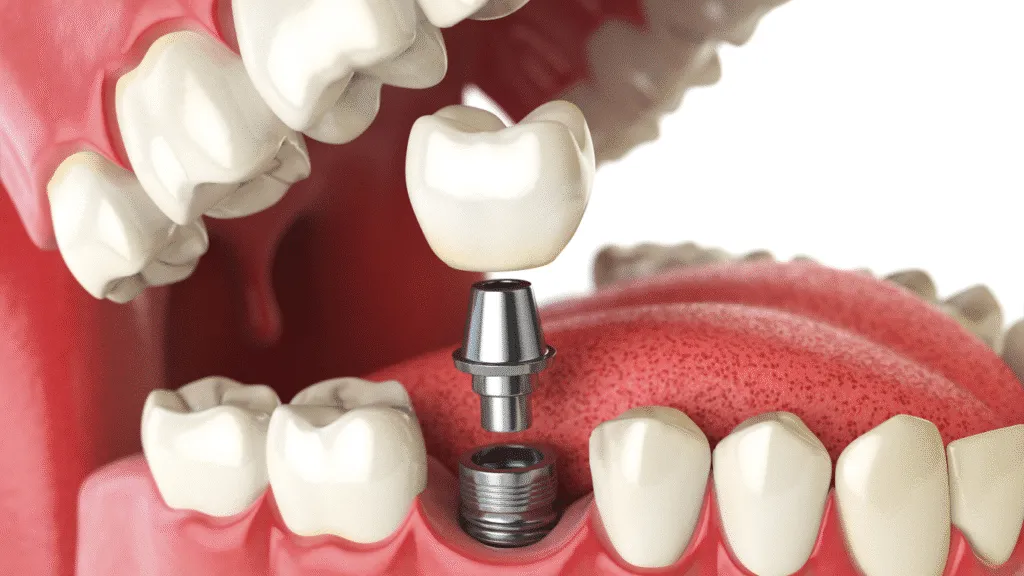
Dental Implants are widely recognized for restoring both function and stability. An implant replaces the tooth root and anchors directly into the jawbone.
This design helps maintain bone density and provides strong support for chewing. Implants feel stable because they function like natural teeth.
Organizations such as the American Academy of Implant Dentistry highlight implants for their durability and natural feel.
Fixed Dental Bridges for Stability
Dental Bridges use nearby teeth to support a replacement tooth. They fill the gap and restore chewing ability.
Bridges are fixed in place and do not need to be removed. They can be a good choice when neighboring teeth already need crowns.
While bridges restore function, they do not stimulate the jawbone like implants do.
Removable Partial Dentures
Partial Dentures replace one or several missing teeth and can be removed for cleaning. They are often made from lightweight materials and custom-fit to the mouth.
Partial dentures restore basic function and appearance. They are more affordable but may not offer the same stability as fixed options.
They are often used when other treatments are not suitable.
Advances in Prosthetic and Restorative Technology
Improved Materials for Comfort and Strength
Modern replacement options use advanced materials that look and feel natural. These materials are strong, lightweight, and designed to blend with existing teeth.
Better materials mean improved comfort and longer-lasting results.
Precision Planning and Imaging
Digital imaging and planning tools help design accurate replacements. These tools allow for better fit and alignment.
Precision improves comfort and function while reducing the risk of future issues.
Focus on Minimally Invasive Care
Today’s dental replacement options aim to preserve healthy tissue. Minimally invasive techniques support faster recovery and better long-term outcomes.
This approach aligns with modern standards in Restorative Dentistry.
Restoring Proper Bite Alignment and Speech
How Replacement Options Improve Chewing
A stable bite distributes pressure evenly. Dental replacements restore balance so chewing feels natural again.
Strong support allows people to enjoy a wider range of foods without discomfort.
Speech Clarity and Tooth Replacement
Teeth play a role in forming sounds. Missing teeth can cause speech changes, especially with certain letters.
Replacement options help restore natural speech patterns.
Supporting Jaw Joint Health
Balanced bites reduce strain on jaw joints. This can help prevent discomfort and long-term joint problems.
Oral stability supports overall comfort.
Enhancing Comfort, Stability, and Confidence
Daily Comfort With Secure Replacements
Stability matters in daily life. Fixed replacements stay in place while eating and speaking.
This reliability builds confidence in social and professional settings.
Emotional Benefits of Restored Function
Being able to eat, speak, and smile without worry improves self-esteem. Many people report feeling more relaxed and confident after treatment.
Emotional well-being is a key part of oral health.
Long-Term Confidence Through Oral Stability
Stable replacements reduce the need for constant adjustments. This supports long-term satisfaction and peace of mind.
Comparing Replacement Options Based on Lifestyle
Active Lifestyles and Fixed Solutions
People with active lifestyles often prefer fixed solutions like Dental Implants or Bridges. These options stay secure during daily activities.
They offer freedom and reliability.
Flexibility With Removable Options
Removable dentures offer flexibility and easy maintenance. They may suit individuals seeking simpler solutions.
Lifestyle needs play a big role in decision-making.
Maintenance and Daily Care Considerations
Each option has care requirements. Fixed options require brushing and flossing like natural teeth. Removable options need daily cleaning.
Understanding care needs helps ensure long-term success.
Creating a Personalized Dental Care Plan
Evaluating Oral Health and Bone Structure
Bone density, gum health, and tooth position affect treatment choices. Careful evaluation ensures the best outcome.
Personalized planning by your family dentist reduces risks.
Aligning Replacement Options With Long-Term Goals
Some people prioritize durability. Others focus on cost or treatment time.
Clear goals guide the selection of the most suitable option.
Combining Replacement With Preventive Care
Replacement works best alongside Preventive Dentistry. Regular checkups and cleanings protect both natural teeth and restorations.
Ongoing care supports lasting results.
Why Replacement Options Support Overall Dental Wellness
Replacing missing teeth improves balance across the entire mouth. It protects remaining teeth and supports jaw health.
Stable replacements reduce uneven wear and strain.
This holistic benefit makes replacement an important part of comprehensive care.
Addressing Common Concerns About Dental Replacement
Many people worry about comfort, appearance, or maintenance. Modern solutions address these concerns through improved design and materials.
Education and planning help ease anxiety.
Conclusion: Choosing the Right Path to Restore Function and Stability
Dental replacement options play a vital role in restoring function and oral stability. Missing teeth affect more than appearance. They influence chewing, speech, comfort, and long-term health.
Modern solutions such as Dental Implants, Bridges, and Partial Dentures offer reliable ways to restore balance and confidence. Each option provides unique benefits depending on individual needs.
The best results come from informed decisions and personalized planning. By understanding available options, people can choose solutions that support daily function and long-term oral wellness.
Restoring a smile is not just about filling a space. It is about rebuilding strength, stability, and confidence for years to come.