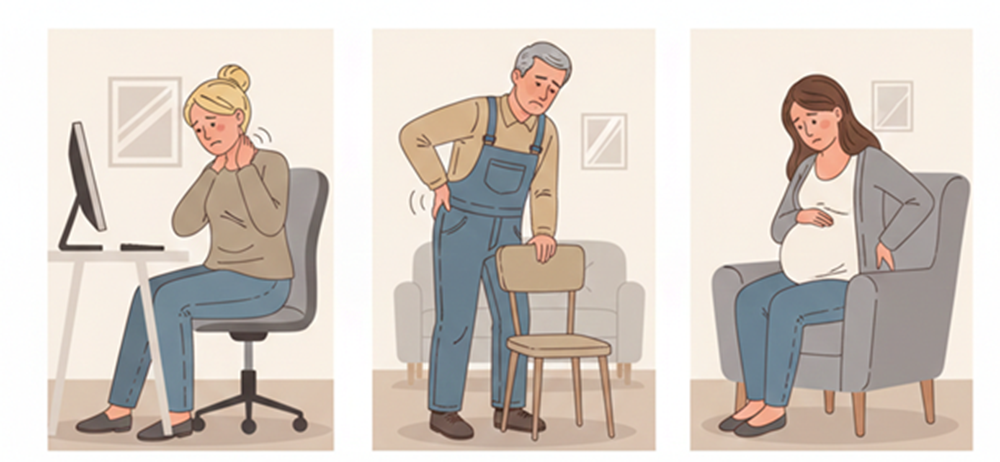
When back pain starts affecting your day, it slowly takes over everything: how you sit, how you move, and even how you sleep.
You might be looking towards a solution, or maybe you’ve heard about chiropractic electrical stimulation, but are still wondering what a first visit to a chiropractor in Port Orange, Florida, is really like.
If that’s you, you’re not alone. Most people feel this way before their first visit, and this guide is here to walk you through it.
And that’s exactly where this guide helps.
Whether it’s that stiff neck that won’t go away, or
- Your lower back feels tight every time you stand up.
- You’re pregnant and suffering new aches you’ve never felt before.
- You just don’t feel as comfortable as you used to.
Whatever brought you to consider chiropractic therapy in Port Orange, you’re in the right place.
A good chiropractor Port Orange will not talk at you or overload you with medical terms.
They’ll walk through what chiropractic care really looks like, how you can prepare, what happens during your visit, and how different treatments like chiropractic electrical stimulation or chiropractic care for pregnancy fit into your real life.
So let’s get started and learn how expert chiropractors ensure your first visit is as smooth as butter.
Why People Visit a Chiropractor
Most people don’t wake up one day and say, “I think I’ll see a chiropractor.”
Usually, something has been building up over time.
For many people in Port Orange, it’s things like:
- Sitting too long at a desk or working from home
- Long drives or commutes
- Standing all day for work
- Lifting kids, groceries, or gym weights
- Sleeping in awkward positions
- Pregnancy-related body changes
A Port Orange chiropractor focuses on how your spine, joints, muscles, and nervous system work together.
When those parts aren’t moving the way they should, your body often lets you know through stiffness, soreness, or limited movement.
Chiropractic care is about helping your body move more freely and comfortably, not masking symptoms, but working with how your body naturally functions.
Do I Really Need to Be in Pain to See a Chiropractor?
Short answer? No.
A lot of people come in because they’re already uncomfortable.
But many also come in because they want to stay ahead of problems, improve posture, or support their overall movement.
Think of chiropractic care like maintenance for your body, similar to stretching, exercising, or eating well. It’s not just about fixing something that’s broken.
What Your First Chiropractor Visit in Port Orange Is Really Like
If you’ve never been to a chiropractor before, it’s completely normal to feel unsure. Most people do. The good news is that once you understand how a first visit usually goes, a lot of that nervousness fades away.
Let’s slow things down and walk through it together, step by step, so there are no surprises.
Walking In: The First Few Minutes
When you walk into a chiropractic clinic in Port Orange, most people notice how calm it is. It’s usually nothing like a hospital or wellness center.
You’ll check in at the front desk, fill out some basic paperwork, and take a seat. This paperwork helps your chiropractor understand your health history and what brought you in.
There’s no white-coat pressure. No loud machines. No feeling like you’re being rushed from one room to another.
Just a comfortable place to take a deep breath and relax.
The Conversation Comes First (And It Matters)
Before anything physical happens, your chiropractor will sit down with you and talk.
This is one of the most significant aspects of the visit.
They’ll ask questions like:
- What are you feeling right now?
- When the discomfort began
- What appears to make it better or worse.
- What your daily routine looks like: work, exercise, sleep, and stress
This is more than just small talk.
These details assist your chiropractor in determining how your body is responding to your daily activities. Two people can have the same pain but for very different reasons.
The more openly you share, the easier it is to shape care around you, not just your symptoms.
Gentle Exams That Help Tell the Story
After the conversation, your chiropractor may guide you through some simple exams.
You might be asked to:
- Stand or walk a few steps
- Bend, twist, or move certain joints
- Relax while they check muscle tension or movement
- There’s no pressure to “perform” or get anything right.
This isn’t a test you can fail. It’s simply a way to see how your body moves today.
As everything happens, your chiropractor will explain what they’re checking and why. If something feels uncomfortable, you can speak up, and you always should.
You’re never expected to push through pain.
Understanding Chiropractic Adjustments
For many first-time patients, the adjustment itself is the biggest unknown.
Here’s the honest truth: most chiropractic adjustments are controlled, gentle, and quick.
Your chiropractor uses their hands or a small tool to apply a precise movement to a joint. You may hear a popping or clicking sound; that’s completely normal.
It’s not bones cracking. It’s simply gas releasing from the joint, similar to the sound when you crack your knuckles.
Some people feel relief almost right away. Others notice they feel looser later that day or the next morning.
It’s also normal to feel mild soreness, especially during early visits. Think of it like how your body feels after light exercise or stretching muscles that haven’t moved much in a while.
Throughout the process, your comfort comes first. Adjustments are always done within your comfort level, and nothing is forced.
After the Adjustment: What Most People Notice
After the adjustment or treatment is completed, your chiropractor may take a few minutes to speak with you again.
They may:
- Inquire how you are feeling.
- Describe what they observed.
- Set simple guidelines for movement or posture.
- Let me know what to expect later that day.
Some people leave feeling lighter and more relaxed. Others notice gradual changes over the course of a day or two.
Everybody responds in their own way, and that’s perfectly normal.
How to Prepare for Your Chiropractor Visit
One of the most common questions people have before their first appointment is, “Do I need to do anything special to prepare?”
The short answer is no; you don’t need to overthink it.
Chiropractic visits are meant to fit into real life, not disrupt it. Even so, a little preparation can make you feel more at ease.
What to Wear (Keep It Simple)
Comfort is more important than style here.
Try to wear loose, comfortable clothing that’s easy to move in. Think:
- T‑shirts or breathable tops
- Stretchy pants, leggings, or gym shorts
- Flat shoes or sneakers
You don’t need to dress up, and you don’t need special gear. The goal is simply to make it easy for you to move and feel at ease during your visit.
Eating and Drinking Before Your Visit
There’s no strict rule about eating before a chiropractor appointment, but most people feel better avoiding a heavy meal right beforehand.
A light snack or regular meal earlier in the day is usually fine. Staying hydrated is also helpful, especially if your muscles feel tight.
If you’re unsure, just do what feels normal for your body.
Arriving Early Helps You Relax
For your first visit, it’s a good idea to arrive a little early.
This gives you time to:
- Complete any paperwork
- Settle in without rushing
- Ask questions if you have them
Starting calmly makes a difference, especially if you’re feeling a bit nervous.
Bring Your Questions (Even the Small Ones)
It’s completely okay if you don’t know what to ask.
But if you do have questions about adjustments, chiropractic electrical stimulation, pregnancy care, or anything else, write them down.
There are no silly questions when it comes to your body.
Most importantly, come as you are. Chiropractors see people from all walks of life every single day.
After Your Visit: What Happens Next?
Your visit does not come to an end abruptly after your adjustment or treatment.
Your chiropractor will usually spend a few minutes discussing what just happened and what you may notice later.
They might:
- Suggest doing light stretching or gentle movement.
- Recommend staying hydrated.
- Discuss posture, daily habits, or movement patterns.
Some people leave feeling relieved or relaxed. Others notice gradual changes over the course of a day or several visits.
Both experiences are quite normal.
Your body responds in its own time, and chiropractic care works with that natural process.
How Often Should You See a Chiropractor?
This is another frequently asked question, and the truth is that there is no single schedule that fits everyone.
Your chiropractor may recommend a brief series of visits or regular check-ins based on:
- Your comfort level
- Your daily routine and workload
- Your movement routine.
- Your personal goals
Some customers return on a regular basis. Others visit only when they feel they need support.
You’re always in control of your care schedule. A good chiropractor will guide you, not pressure you.
Choosing the Right Chiropractor in Port Orange, Florida
Finding the right chiropractor in Port Orange, Florida, entails more than simply choosing the closest office.
It is about trust.
You prefer someone who:
- Listens carefully to what you’re feeling.
- Explains things in clear and simple language.
- Makes you feel relaxed asking questions.
- Respects your limits and comfort level.
You should never be rushed, talked down to, or pressured into accepting care that does not feel right for you.
Conclusion
Chiropractic care isn’t about being perfect or fixing everything overnight.
It’s about helping your body work better within the life you already live, whether that includes long workdays, family responsibilities, pregnancy, exercise, or simply being on your feet a lot.
A good Port Orange chiropractor understands that real life isn’t always ideal, and your care should support you where you are, not where you’re “supposed” to be.