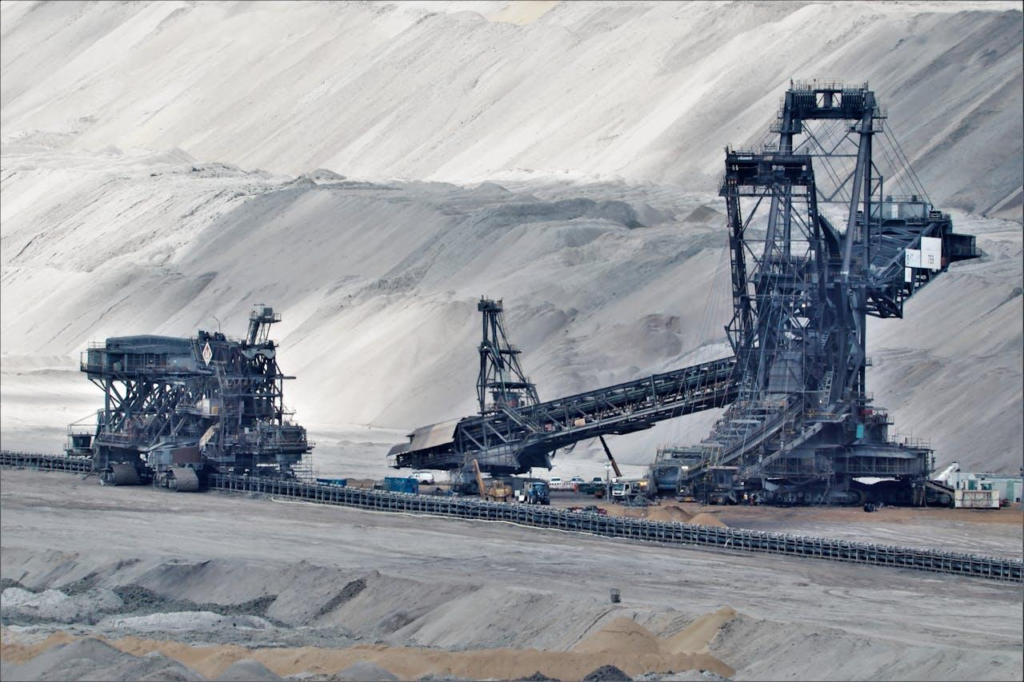
Australia’s mining regions stretch across deserts, mountain ranges and long stretches of open country. These locations deliver some of the richest resources in the world, but they also bring unpredictable and sometimes dangerous weather conditions. For mining teams working far from towns and services, staying ahead of the weather is one of the most important parts of daily operations.
Remote sites face everything from sudden storms to extreme heat. A single shift in the atmosphere can disrupt transport, damage machinery or place workers at risk, which is why strong weather awareness is essential in mining environments.
Understanding the Risks of Remote Weather
Working in an isolated area means you cannot rely on local infrastructure to warn you of incoming storms or temperature swings. Weather can change rapidly in open landscapes, especially in regions known for seasonal monsoon activity or strong summer storms.
A heat spike may place stress on workers and machinery. A localised storm can wash out an access road with little warning. Even distant lightning can halt operations if conditions become unsafe. When the nearest town may be hours away, preparation becomes a daily requirement rather than an occasional task.
Mining companies need accurate updates to protect workers and maintain productivity. Without proper information, even minor conditions can escalate into costly delays.
Using Advanced Tools to Stay Prepared
Modern mining relies heavily on technology to monitor weather in harsh environments. Automated sensors track temperature, humidity, wind and rainfall throughout the day. These small stations operate on site and give managers a live picture of conditions without waiting for national alerts.
Some sites use larger systems that combine radar imagery, lightning detection and satellite observations. This wider view helps operators see developing patterns long before they reach the mine. If a storm cell begins to move across the region, supervisors can adjust work schedules, shut down exposed equipment or bring crews under cover before the threat arrives.
Many mining operations use automated alert networks that send instant warnings to on site teams. These alerts are designed to reach workers immediately, which allows them to react quickly when conditions worsen. You can view the latest mining weather intelligence here and see if it is the right fit for your mine.
Creating a Culture of Safety and Awareness
Successful weather management depends on more than just technology. Remote mines must have strong procedures that guide workers during sudden changes in conditions. Clear instructions about evacuation points, communication methods and equipment shutdowns help everyone respond quickly and confidently.
Training is crucial. Workers should know how to identify hazards such as rising winds, visible storm fronts or signs of incoming lightning. Regular practice drills reinforce these skills and build confidence within the team.
Communities located near mine sites also benefit from strong weather monitoring. Mines often share weather insights with nearby towns, allowing everyone in the region to prepare more effectively during risky periods.
Planning Ahead for Long Term Success
Weather patterns and seasonal cycles shape the way mining operations run. By studying long term forecasts, companies can schedule maintenance, resupply remote camps and plan transport in ways that avoid unnecessary risk.
Some areas experience lengthy wet seasons, while others face periods of extreme heat or dry storms. Understanding these cycles gives operators a clear advantage when planning year round activities.
