Introduction
The design of a living space has a profound influence on how people feel, behave, and settle into their surroundings. In the context of luxury villas, design extends far beyond visual appeal. It shapes emotional well-being, daily comfort, and the ability to stay for longer periods without fatigue. As travel habits evolve toward extended stays and blended lifestyles, thoughtful villa design has become a defining factor in guest satisfaction.
Well-designed villas create environments that feel intuitive rather than demanding. Guests move through spaces naturally, without needing to adapt to awkward layouts or rigid functions. This ease of movement supports relaxation and reduces mental friction, especially during longer stays where small inconveniences can accumulate. Design that anticipates daily needs allows guests to focus on living rather than navigating their environment.
Emotional comfort is closely tied to spatial quality. Light-filled rooms, balanced proportions, and access to nature contribute to a sense of calm and stability. These elements help guests unwind more quickly and maintain a consistent sense of well-being throughout their stay. Over time, this emotional ease becomes essential, particularly for families, remote workers, or travelers seeking rest rather than stimulation.
Extended villa stays also require adaptability. Spaces must accommodate work, leisure, social interaction, and solitude without feeling compromised. Thoughtful design supports this flexibility by offering varied zones that respond to different moods and activities. Guests can shift between focus and relaxation without leaving the villa.
In modern luxury travel, design is no longer a backdrop. It is an active contributor to comfort, wellness, and longevity of stay. Villas that prioritize intentional design create environments where guests can truly settle in and feel at home.
Why Design Matters More Than Amenities Alone
Luxury is often associated with high-end amenities,private pools, state-of-the-art kitchens, advanced home automation, and designer furnishings. While these features undoubtedly contribute to a memorable experience, they are only part of the story. The true measure of comfort and satisfaction in a villa comes from how these elements are integrated within thoughtfully designed spaces. Design determines not just the presence of amenities but how they are experienced and valued over time. A villa may have an impressive pool, but if its surrounding deck is awkwardly laid out or lacks privacy, its utility and enjoyment diminish. Similarly, a high-end kitchen becomes merely ornamental if it does not support intuitive cooking routines.
A well-designed villa kinaree seminyak organizes amenities in a way that feels natural to human behavior. Living areas flow logically into social or private zones, storage is strategically placed, and movement through the space is effortless. This reduces cognitive load and decision fatigue, allowing guests to focus on living rather than constantly negotiating their environment. Emotional comfort is also heightened through design choices: proportionate rooms, natural materials, and cohesive layouts provide a sense of harmony that amenities alone cannot create.
Over time, this intentional design outweighs the novelty of amenities. Guests may initially be impressed by striking features, but sustained satisfaction stems from spaces that consistently feel comfortable, practical, and calming. Essentially, amenities are enhanced by thoughtful design, which frames their use and ensures they contribute meaningfully to the overall experience. In luxury villa living, design functions as the foundation upon which amenities shine, transforming a visually appealing property into a space that genuinely supports well-being, ease, and long-term enjoyment.
Open-Plan Living and Indoor-Outdoor Harmony
Open-plan living is a hallmark of modern luxury villas, offering flexibility, social cohesion, and a sense of spaciousness. By removing rigid partitions between rooms, villas encourage natural movement and interaction, allowing living, dining, and entertainment areas to flow seamlessly. This layout is particularly valuable for extended stays, where comfort depends on freedom of choice rather than rigid structure. Guests can easily shift from cooking to lounging, working to socializing, without feeling confined by walls or awkward layouts.
Indoor-outdoor harmony amplifies this effect, especially in tropical or scenic locations. Expansive sliding doors, covered terraces, and garden-facing living areas dissolve the barrier between interior and exterior. Guests can enjoy fresh air, sunlight, and natural surroundings as an integrated part of daily life, rather than relegating nature to occasional visits. This seamless connection supports relaxation and emotional well-being, helping guests feel grounded and in rhythm with their environment.
Open-plan and indoor-outdoor designs also foster dynamic social interactions. Families, friends, and multigenerational groups can coexist comfortably, maintaining both togetherness and personal space. Privacy is subtly achieved through zoning, furniture placement, and architectural transitions, allowing spaces to feel intimate despite openness.
Practical considerations enhance the functionality of this approach. Improved airflow, daylight penetration, and flexible furniture arrangements reduce dependence on artificial climate control and lighting, contributing to sustainability and comfort. Open-plan villas can accommodate different activities throughout the day without rearrangement, supporting a lifestyle of ease and spontaneity.
Ultimately, the combination of open-plan living and indoor-outdoor harmony transforms villas into adaptable, living environments. Guests experience both freedom and structure, connection and retreat, creating an atmosphere that is simultaneously expansive, intimate, and deeply aligned with modern expectations of luxury and well-being.
Natural Light, Airflow, and Tropical Comfort
Natural light and airflow are fundamental to comfort in tropical villa environments. Unlike temperate climates, tropical regions demand design solutions that work with heat and humidity rather than against them. Villas that prioritize daylight and ventilation create interiors that feel fresh, breathable, and welcoming throughout the day. This approach reduces reliance on mechanical systems while enhancing daily comfort.
Large windows, open corridors, and high ceilings allow daylight to penetrate deep into interior spaces. Natural light supports circadian rhythms, improves mood, and helps guests adjust more easily to a relaxed pace of living. Over longer stays, consistent exposure to daylight contributes to better sleep patterns and overall well-being. Spaces feel alive rather than enclosed, which is essential for emotional comfort.
Airflow is equally important. Cross-ventilation created through thoughtful orientation and open-plan layouts allows breezes to move freely through the villa. This natural cooling effect maintains comfortable temperatures without constant air conditioning. Guests experience a gentle connection to the outdoor environment, reinforcing the sense of living in harmony with nature.
Design features such as shaded terraces, overhangs, and vegetation further regulate temperature. These elements protect interiors from harsh sunlight while allowing soft, diffused light to enter. The result is a balanced indoor climate that remains pleasant throughout the day.
By prioritizing light and airflow, villas support tropical comfort in a way that feels effortless. Guests remain comfortable without needing to manage their environment actively. This passive comfort becomes increasingly valuable during extended stays, where ease and consistency play a central role in overall satisfaction.
Natural Light, Airflow, and Tropical Comfort
Natural light and airflow are foundational to comfort in tropical villa environments, shaping both physical ease and emotional well-being. Unlike temperate climates, tropical regions bring challenges of heat and humidity, which must be addressed through design rather than solely relying on mechanical solutions. Villas that prioritize daylight and cross-ventilation create interiors that feel fresh, airy, and naturally pleasant throughout the day, fostering a sense of vitality and ease. This approach reduces dependency on air conditioning while supporting sustainable practices, aligning comfort with environmental responsibility.
Large windows, high ceilings, and open corridors allow sunlight to permeate interior spaces, bringing warmth without overwhelming intensity. Exposure to natural light regulates circadian rhythms, improves mood, and helps guests adapt to a relaxed lifestyle, particularly during long stays. Over time, this consistent connection with daylight contributes to better sleep quality and an overall sense of well-being, making spaces feel alive rather than enclosed.
Airflow is equally critical. Thoughtful villa orientation and open-plan layouts enable cross-ventilation, letting breezes flow freely through rooms. This passive cooling creates a gentle, natural comfort, allowing guests to enjoy a temperate interior without constant artificial intervention. Design elements such as shaded terraces, overhangs, and strategic vegetation further regulate indoor temperature while providing soft, diffused light, balancing exposure and comfort seamlessly.
By integrating natural light and airflow, villa kinaree estate provide effortless, passive comfort that supports longer stays. Guests do not need to adjust constantly to their environment; instead, the villa’s design works with nature, fostering a calm, restorative, and energy-efficient living experience. Over time, this careful attention to light and ventilation enhances daily life, offering a sense of well-being that feels both immediate and enduring.
The Psychology of Space in Luxury Residences
Spatial design profoundly influences emotional well-being, particularly in luxury villas where prolonged stays require both comfort and mental ease. Understanding how guests perceive and move through space allows architects and designers to create environments that feel supportive, intuitive, and psychologically comforting. Spatial psychology considers hierarchy, proportion, transition, and privacy, ensuring that each element contributes to the overall experience without the need for conscious effort by guests.
Clear spatial hierarchy is essential. Well-designed villas intuitively guide visitors toward social, private, or transitional zones, minimizing confusion and reducing cognitive load. Guests quickly understand where to gather, relax, or retreat, allowing daily routines to flow naturally. Without such clarity, subtle stress accumulates, particularly during extended stays where repeated navigation through poorly organized spaces can become fatiguing.
Proportion and scale also impact perception. Rooms with balanced dimensions feel stable and harmonious, whereas overly cramped or excessively vast spaces can evoke discomfort. Luxury villas often combine generous spatial proportions with warm materials and subtle detailing to achieve a sense of openness without alienation. These choices create environments that feel safe, inviting, and emotionally grounding.
Transitions between spaces further support comfort. Gradual shifts,from indoor to outdoor areas or from communal to private zones,signal changes in activity and mood, allowing guests to adjust psychologically to new settings. Privacy is reinforced through thoughtful placement of bedrooms and retreats, ensuring guests can disengage fully without isolation, promoting restorative rest.
By applying principles of spatial psychology, villa design becomes more than aesthetic,it shapes how guests feel and behave. Even subtle cues, such as room flow, proportions, and transitions, influence emotional stability and satisfaction. Well-designed villas foster intuitive comfort, enabling extended stays to feel effortless, balanced, and restorative, turning the residence itself into an active contributor to well-being.
Minimalism, Warmth, and Visual Balance
Minimalist design in luxury villas emphasizes clarity, calm, and functional beauty, but its success depends on integrating warmth and personality. Pure minimalism,stripped-down spaces with little texture or color,can feel cold or impersonal. Thoughtful design balances simplicity with comfort, ensuring spaces feel inviting while eliminating visual clutter that can overwhelm the mind. In this way, minimalism enhances both aesthetic and functional quality.
Clean lines and uncluttered layouts promote mental clarity. When guests enter visually calm spaces, cognitive load is reduced, allowing them to relax more easily. This effect is especially valuable for travelers accustomed to fast-paced or chaotic environments, helping them transition into a slower, more restful rhythm. Over time, sustained simplicity supports comfort that extends beyond the novelty of initial impressions.
Warmth is introduced through materials, textures, and carefully chosen color palettes. Natural woods, soft fabrics, earthy tones, and tactile surfaces create sensory richness, inviting physical interaction and emotional connection with the environment. This warmth balances minimalism, making spaces feel human and lived-in rather than austere.
Visual balance is achieved through intentional placement of furniture and decor. Each item serves a functional or emotional purpose, creating cohesion and order. The result is a space that feels curated rather than crowded, supporting a sense of calm and subtle sophistication. Minimalism also increases flexibility, allowing spaces to adapt to different activities and evolving guest needs during extended stays.
When executed well, minimalism combined with warmth and visual balance results in villas that feel refined yet inviting. Guests experience mental clarity, physical comfort, and emotional ease simultaneously. The environment encourages relaxation, adaptability, and engagement with the space, making everyday living seamless and pleasurable over long periods.
Private Pools and Personal Outdoor Areas
Private pools and personal outdoor areas are more than luxury accents,they are essential elements of comfort, autonomy, and well-being in villa living. Unlike shared facilities, these spaces allow guests to relax and enjoy themselves without external interruptions or schedules. The sense of exclusivity fosters emotional freedom, encouraging spontaneous use of the pool or outdoor spaces throughout the day, rather than restricting activity to planned occasions. This freedom is especially valuable during long-term stays, where routine and privacy are highly appreciated.
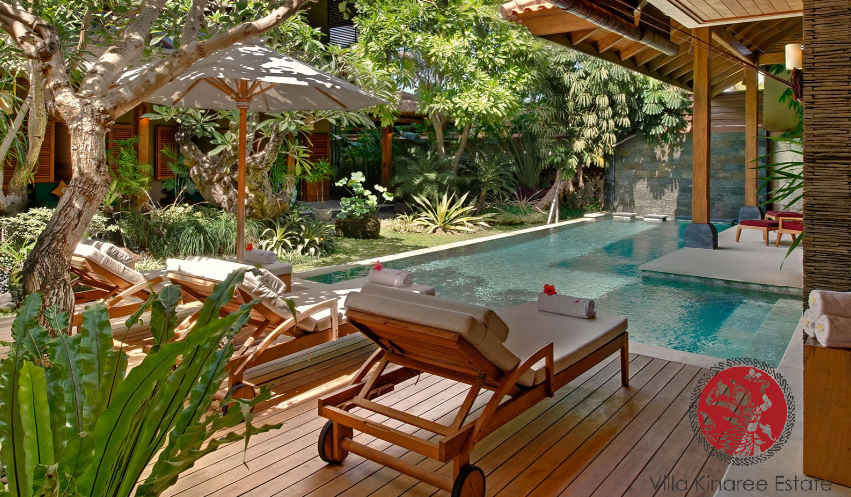
A private pool transforms the daily experience, becoming an extension of indoor living. Guests can swim, lounge, or enjoy quiet moments by the water whenever they wish, promoting relaxation and physical activity without pressure. Outdoor areas such as shaded terraces, lawns, and dining patios further support variety in daily routines, giving guests choices based on mood, time of day, or social context. This adaptability prevents monotony and supports a balanced lifestyle within the villa.
Design is crucial to usability. Pools are strategically placed to optimize sunlight while avoiding excessive heat, and landscaping provides natural privacy and visual softness. Outdoor furniture is selected for comfort, durability, and flexibility, encouraging frequent use rather than one-off enjoyment. In this way, the outdoor environment becomes as thoughtfully designed as interior spaces, blending beauty, comfort, and functionality seamlessly.
Beyond physical comfort, private outdoor spaces foster mental clarity and emotional wellness. Exposure to fresh air, natural light, and greenery supports relaxation, reduces stress, and strengthens connection with the natural environment. Guests feel empowered to curate their own experience, enhancing overall satisfaction.
By integrating thoughtfully designed private pools and outdoor areas, villas provide autonomy, comfort, and continuous engagement with nature. These elements elevate the quality of stays, making long-term villa living more enjoyable, restorative, and immersive than accommodations that lack personal outdoor space.
Designing Villas for Long-Term Comfort
Villas intended for long-term stays require a fundamentally different approach than properties designed for short-term vacations. Extended comfort relies on a space’s ability to support daily routines, adapt to changing needs, and provide consistent ease over weeks or months. Thoughtful villa design prioritizes livability, ensuring that guests feel settled, organized, and emotionally at ease rather than temporarily hosted.
Functional zoning is key. By clearly separating rest areas, work-friendly spaces, and social zones, villas prevent overlap between activities that can otherwise lead to fatigue or frustration. Guests can maintain routines such as working, exercising, cooking, and relaxing without constant adaptation, creating a sense of rhythm and predictability crucial for long-term comfort.
Storage and organization also matter. Adequate wardrobes, shelving, and concealed utility spaces allow guests to unpack fully and live naturally, rather than managing temporary arrangements out of suitcases. This sense of permanence reduces mental clutter and contributes to emotional ease.
Furniture and fixtures must support daily life. Ergonomic seating, high-quality bedding, and functional dining arrangements encourage comfort over time. Repeated use should not compromise posture or relaxation, and materials must withstand long-term wear while remaining visually pleasing. Acoustic comfort is another often overlooked factor; well-designed layouts, materials, and landscaping manage noise levels, ensuring privacy and quiet even in shared villas.
Ultimately, villas designed for long-term comfort feel intuitive and forgiving. The space adapts to the guest’s lifestyle rather than forcing guests to adjust themselves. By prioritizing livability, flexibility, and emotional ease, these villas support extended stays that feel natural, balanced, and restorative, transforming luxury from a temporary indulgence into a sustainable lifestyle experience.
Sustainability in Modern Luxury Architecture
Sustainability has become a defining principle of modern luxury villa architecture, merging environmental responsibility with comfort, aesthetics, and livability. Today’s travelers increasingly seek accommodations that respect natural surroundings, minimize ecological impact, and enhance long-term well-being. Far from being a compromise, sustainable design elevates the overall villa experience, supporting both comfort and conscience.
Material selection is fundamental. Locally sourced stone, wood, and natural finishes reduce transport emissions, connect the villa to its environment, and age gracefully over time. These materials offer durability and warmth, enhancing both visual appeal and tactile comfort, while reinforcing a sense of place. Similarly, eco-friendly finishes and furnishings create interiors that feel refined, functional, and timeless.
Energy efficiency is a cornerstone of sustainable design. Passive cooling strategies, high-performance insulation, solar energy integration, and energy-conscious lighting reduce reliance on mechanical systems. These measures not only minimize environmental impact but also create quieter, more comfortable living spaces for guests, enhancing the overall experience during extended stays.
Water management is particularly important in tropical regions. Rainwater harvesting, efficient irrigation, and thoughtfully designed pools help preserve local resources without compromising luxury. Landscapes remain lush and inviting while maintaining ecological balance, allowing guests to enjoy verdant surroundings responsibly.
Sustainability also supports wellness directly. Abundant natural light, improved ventilation, and reduced reliance on artificial systems create healthier interiors. Over long stays, these elements contribute to emotional and physical comfort, allowing guests to feel grounded, rested, and in harmony with the environment.
By integrating sustainability into modern luxury architecture, villas achieve a balance between elegance, comfort, and ecological mindfulness. Guests experience spaces that are environmentally responsible, restorative, and aligned with contemporary values, demonstrating that thoughtful design can simultaneously support luxury, well-being, and a deeper connection to place.
How Design Influences Productivity and Relaxation
Villa design plays a crucial role in helping guests balance productivity and relaxation, especially during extended stays where work and leisure often coexist. Thoughtful spatial planning allows individuals to move seamlessly between focused activity and restorative rest without mental friction. By creating distinct zones for work, socializing, and relaxation, villas ensure that guests can engage in each activity fully, supporting both efficiency and well-being.
Dedicated work-friendly areas are essential for modern travelers who may need to attend to professional tasks during their stay. These spaces prioritize natural light, ergonomic seating, and minimal distractions to promote concentration and comfort. Unlike ad hoc arrangements, purposefully designed work zones make productivity feel natural rather than intrusive, allowing guests to maintain routines without stress.
Conversely, relaxation zones are designed to signal a shift from effort to leisure. Soft lighting, comfortable textures, and open sightlines cue the mind to unwind, while outdoor terraces or garden areas offer opportunities for passive restoration. Clear separation between work and leisure areas prevents cognitive overlap, supporting healthier daily rhythms.
Outdoor spaces further enhance balance. Guests can alternate between indoor work areas and outdoor relaxation spots, using natural light, fresh air, and green surroundings to reset focus. This fluidity supports sustained productivity while reducing fatigue and burnout.
Consistent, intuitive design across the villa reinforces ease of use. When spaces are organized logically and visually uncluttered, guests spend less energy navigating their environment. This clarity allows more attention to be devoted to meaningful activities or complete rest. Over time, villas that effectively support both productivity and relaxation function as adaptable living environments, rather than mere temporary accommodations, promoting long-term satisfaction, emotional stability, and a harmonious blend of work and leisure.
Adapting Villa Living to Modern Lifestyles
Modern travelers arrive with diverse expectations, blending work, wellness, social connection, and relaxation. Villas that adapt to these evolving lifestyles create environments that feel flexible, relevant, and supportive, rather than rigid or prescriptive. Adaptability is achieved through design choices that accommodate varied routines, technological needs, and personal preferences, ensuring a seamless daily experience.
Technology integration is a key element of adaptation. High-speed connectivity, discreet automation, and user-friendly controls allow guests to personalize lighting, climate, and entertainment effortlessly. When technology supports comfort rather than dominates attention, it enhances the villa experience, allowing occupants to focus on living fully rather than managing infrastructure.
Social flexibility is equally important. Villas must accommodate both communal gatherings and private retreats. Open-plan living paired with secluded zones ensures that families, friends, or multigenerational groups can coexist comfortably. This balance supports shared experiences without compromising individual privacy, a critical factor for long-term comfort.
Health and wellness considerations are increasingly central to modern villa living. Access to outdoor areas, spaces for movement, and calming interiors help maintain physical and mental balance. Such features are especially valued during extended stays, when lifestyle continuity and a sense of normalcy matter more than novelty or luxury features.
Cultural sensitivity further enhances relevance. Design elements reflecting local traditions or context, without overwhelming modern comforts, create spaces that feel rooted yet contemporary. Guests appreciate environments that honor place while supporting familiar routines, bridging novelty and comfort seamlessly.
By embracing adaptability, villas remain timeless. Rather than enforcing a single lifestyle, they provide a flexible framework that guests can shape to their needs. This adaptability is key to long-term satisfaction, ensuring that every stay feels relevant, personalized, and aligned with the demands of modern life.
Conclusion
Thoughtful villa design extends far beyond aesthetic appeal, influencing how guests live, feel, and engage with their surroundings over time. Every architectural decision,from spatial layout to material selection, from light and airflow to sustainability,contributes to comfort, emotional well-being, and the capacity for long-term living. In luxury villas, design is not a backdrop; it is an active partner in daily life, supporting relaxation, productivity, and overall satisfaction.
Clear spatial organization reduces mental effort, guiding guests intuitively through social, private, and transitional zones. Balanced proportions, smooth transitions, and thoughtful furnishing ensure that spaces feel both expansive and intimate, allowing guests to settle naturally into the environment. These principles foster emotional ease, turning a villa from a temporary accommodation into a restorative, lived-in experience.
Wellness is embedded in the architecture itself. Natural light, passive airflow, access to greenery, and connection to outdoor spaces create restorative environments that support mental clarity, physical comfort, and emotional balance. Elements such as private pools, shaded terraces, and ergonomic furnishings reinforce autonomy, choice, and sustained ease of living. Over extended stays, these considerations become increasingly vital, promoting a sense of harmony and continuity that cannot be replicated by amenities alone.
Modern villa living also reflects evolving lifestyles. Guests need flexibility to balance work and leisure, communal interaction and personal retreat, and traditional design with contemporary comfort. Villas that respond to these requirements through adaptable spaces, technological integration, and culturally sensitive design ensure relevance and long-term satisfaction.
Properties like Villa Kinara exemplify how intentional design elevates comfort, wellness, and livability. Here, luxury is not defined by excess, but by how effectively a space supports life over time. Thoughtful villa design transforms accommodations into environments that nurture balance, clarity, and sustained well-being, demonstrating that the ultimate luxury lies in spaces that feel like home while inspiring a deeper connection to place and nature.