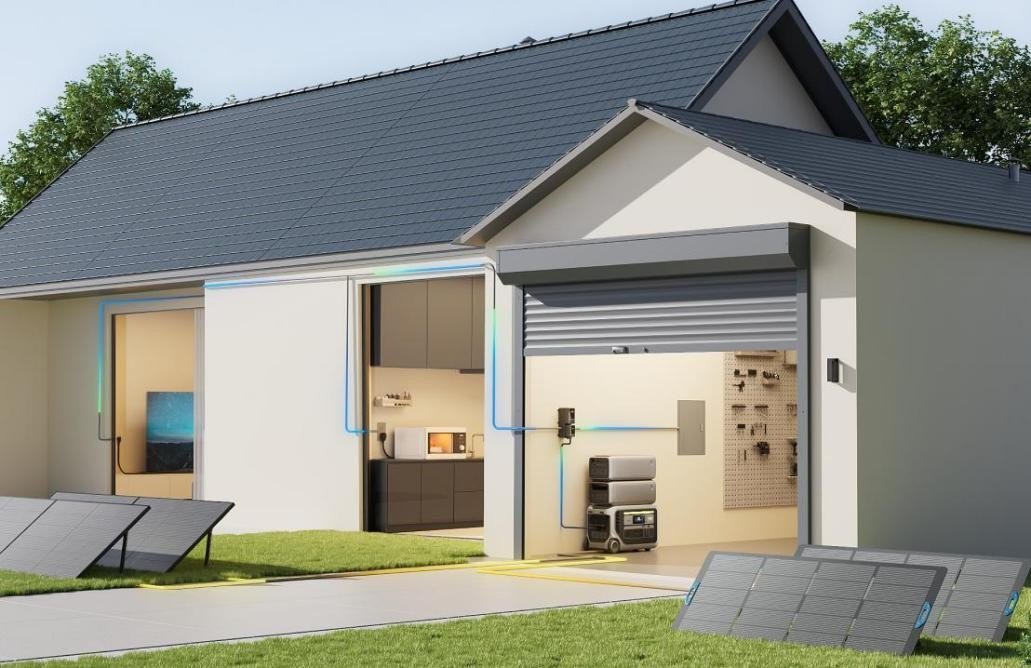
Exploring the cost of whole-home solar generators involves understanding several vital factors. Solar generators are increasingly popular for sustainable energy solutions, offering an alternative to traditional electrical grids. Their cost is influenced by components, system size, and installation specifics. Additionally, geographic location plays a crucial role, with sunlight availability impacting efficiency and energy capture. Local incentives further shape the financial landscape, offering rebates and tax credits. It’s important to consider long-term costs, including maintenance and potential financial savings from using solar energy. This comprehensive guide outlines the essential factors affecting whole-home solar generator expenses, providing insights for informed decision-making.
Main Cost Components & System Size
The core constituents of a solar generator system directly influence its overall cost. These elements collectively determine the capacity and efficacy of a solar generator. A tailored approach to system size, in alignment with specific energy requirements, optimizes both initial costs and long-term efficiency.
Solar Panels — Type, Efficiency & Quantity
Solar panels, the heart of any solar generator system, vary significantly in type, efficiency, and required quantity. Three primary types exist: monocrystalline, polycrystalline, and thin-film. Monocrystalline panels, known for high efficiency, often command higher prices but offer superior energy conversion. Polycrystalline panels, slightly less efficient, are typically more affordable. Thin-film panels provide flexibility and lower costs but generally need more space for installation due to reduced efficiency. The number of panels needed hinges on household energy requirements and local sunlight levels. Investing in efficient panels often reduces long-term costs, maximizing energy output relative to the number installed.
Battery Storage — Capacity and Technology
Battery storage is fundamental in solar generator systems, permitting energy retention for use during low sunlight periods. Capacities vary, affecting costs; higher-capacity batteries are more expensive but provide extended power availability. Popular battery technologies include lithium-ion, lead-acid, and flow batteries. Lithium-ion batteries, despite a higher upfront investment, boast longer life spans and efficient energy usage. Lead-acid batteries, traditionally more cost-effective, often require more frequent replacements. Flow batteries offer innovative energy solutions with a unique set-up, often suitable for larger systems. Selecting appropriate storage technology is crucial for optimizing both the initial investment and ongoing utility.
Inverters, Controllers & Balance of System
Inverters and controllers are critical for converting and managing energy within solar systems. The inverter converts DC from the solar panels into usable AC electricity, essential for home consumption. Choices range from string inverters to microinverters, each with distinctive cost implications. Controllers regulate energy flow, ensuring optimal battery storage and system efficiency. The Balance of System (BOS) includes necessary wiring, mounts, and monitoring systems, factoring into total expenses. Investing in high-quality inverters and controllers ensures seamless energy transformation and management, enhancing system longevity and performance.
Installation, Location & Local Incentives
Installation specifics and geographic location substantially influence solar generator costs. Professional installation ensures system efficiency and adherence to regulations, often increasing upfront costs but reducing future issues. Geographic nuances, such as average sunlight levels, dictate panel efficiency and number. Local incentives, rebates, and tax credits significantly offset initial investments, presenting lucrative opportunities for cost savings.
Professional Installation & Permitting Costs
Opting for professional installation comes with costs related to technical expertise, labor, and strict compliance with building codes and safety standards. Experienced professionals ensure the system is installed correctly, with all components precisely aligned to achieve maximum performance and long-term efficiency. Permit acquisition and inspections also contribute to the overall expense, guaranteeing the installation meets local regulations. Although DIY installation may reduce upfront costs, professional installation significantly lowers the risk of errors, system failures, costly repairs, and potential fines, making it a more cost-effective solution in the long run.
Geographic Factors & Sunlight Levels
A location’s geographic characteristics play a crucial role in determining the cost-effectiveness of solar generators. Areas with abundant sunlight enable higher energy output, allowing systems to perform efficiently with fewer panels. In contrast, regions with frequent cloud cover or limited sun exposure often require additional panels or higher-capacity systems, increasing overall costs. Factors such as altitude, temperature, and climate conditions also influence panel efficiency, durability, and maintenance needs. Carefully assessing local environmental conditions and choosing location-appropriate solar solutions can significantly improve energy production, extend system lifespan, and maximize long-term return on investment.
Incentives, Rebates & Tax Credits
Government incentives play a crucial role in making solar installations more affordable and appealing for homeowners and businesses. Upfront rebates help lower the initial purchase and installation costs, while tax credits can significantly reduce the amount owed after installation. By understanding available federal, state, and local incentive programs, buyers can maximize long-term savings. Because incentives vary by location and may change over time, careful research and planning are essential. Effectively leveraging these programs can substantially cut total costs and speed up the return on investment.
Long-Term Costs & Financial Considerations
When evaluating long-term energy solutions, understanding the whole home generator cost is essential for making a smart investment decision. Beyond the initial purchase, homeowners should factor in installation fees, maintenance requirements, fuel or energy expenses, and potential savings over time. Solar-based systems often have higher upfront costs but benefit from lower operating expenses and available incentives. By comparing lifetime costs rather than just purchase price, homeowners can better assess value, efficiency, and long-term financial impact while choosing a reliable backup power solution.
Conclusion
Whole-home solar generator costs hinge on myriad factors, from intrinsic system elements to external environmental considerations. Understanding the intricate dynamics of solar panels, batteries, and inverters ensures informed upfront investments. Recognizing geographic influences and systematically leveraging local incentives optimizes financial outcomes. Long-term perspectives emphasize savings, underscoring the necessity of diligent maintenance and strategic planning. By unpacking these elements, homeowners navigate the complex landscape of solar energy investment, achieving sustainable energy independence and economic advantage.