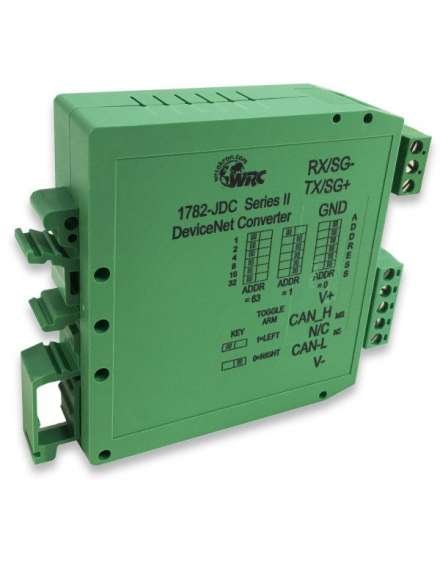
When ProSoft industrial automation components reach end-of-life status, procurement teams face a difficult reality: critical system parts become increasingly scarce while production demands remain constant. Sourcing discontinued ProSoft parts through traditional channels often leads to extended downtimes and budget overruns that disrupt operations. Refurbished parts present a practical solution, offering significant cost savings compared to surplus inventory while maintaining operational reliability. However, concerns about warranty coverage, component authenticity, and long-term performance create hesitation among procurement specialists tasked with maintaining uptime standards. The difference between a successful refurbished part purchase and a costly mistake often comes down to knowing where to look and what questions to ask. This guide provides industrial buyers with concrete strategies for safely sourcing refurbished ProSoft components, from identifying trustworthy vendors to securing adequate warranty protection that safeguards both equipment investments and production schedules.
Understanding Refurbished ProSoft Parts
Refurbished industrial parts undergo systematic restoration processes that return components to functional specifications through inspection, cleaning, component replacement, and rigorous testing protocols. Unlike used parts sold in as-is condition, refurbished ProSoft components receive documented quality assurance procedures that address wear patterns, replace degraded elements, and verify performance against original equipment manufacturer standards. This restoration approach delivers cost savings typically ranging from 40-70% compared to new equivalent parts while providing reliability suitable for production environments.
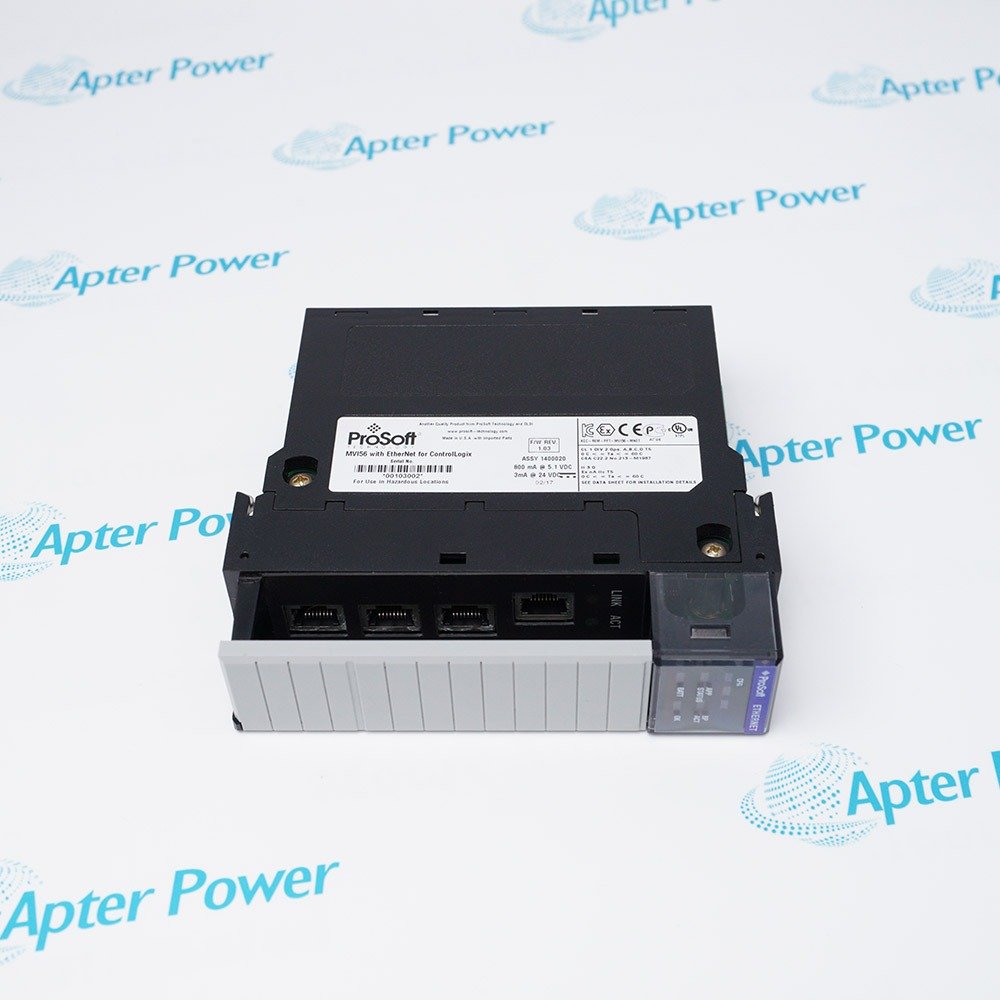
The refurbishment process for ProSoft communication modules and gateway devices involves several critical stages. Technicians first perform comprehensive diagnostics to identify failed components, then replace capacitors, connectors, and circuit elements showing degradation. After cleaning and reassembly, units undergo functional testing that simulates actual operating conditions, including communication protocol verification and environmental stress screening. Reputable refurbishers maintain traceability documentation throughout this process, creating service records that support warranty claims and compliance requirements.
Refurbished ProSoft parts serve particularly well in several scenarios. Maintenance teams frequently stock refurbished units as emergency spares for legacy systems where new parts face extended lead times or complete discontinuation. Plant expansions often incorporate refurbished components when replicating existing control architectures, avoiding costly system redesigns. Additionally, refurbished parts provide economical solutions for non-critical applications where budget constraints limit capital equipment spending but operational reliability remains essential for maintaining production schedules.
ProSoft Parts Warranty Considerations
New ProSoft components typically include manufacturer warranties ranging from one to three years, covering defects in materials and workmanship under normal operating conditions. These warranties provide replacement units or repairs at no cost, though they exclude damage from misapplication, environmental factors, or improper installation. Refurbished ProSoft parts generally carry shorter warranty periods, commonly spanning 90 days to one year depending on the vendor’s confidence in their restoration process and the component’s condition before refurbishment.
Verifying warranty coverage requires examining several specific elements before purchase. Request written warranty documentation that clearly defines coverage duration, what failures qualify for replacement, and whether the vendor provides advance replacement to minimize downtime. Confirm whether warranty service includes return shipping costs, as some vendors cover only the replacement part while leaving transportation expenses to the buyer. Ask vendors to specify their response time for warranty claims and whether they maintain adequate inventory to fulfill replacements promptly. Documentation should also clarify whether warranty coverage transfers if your company sells the equipment or relocates the component to different machinery.
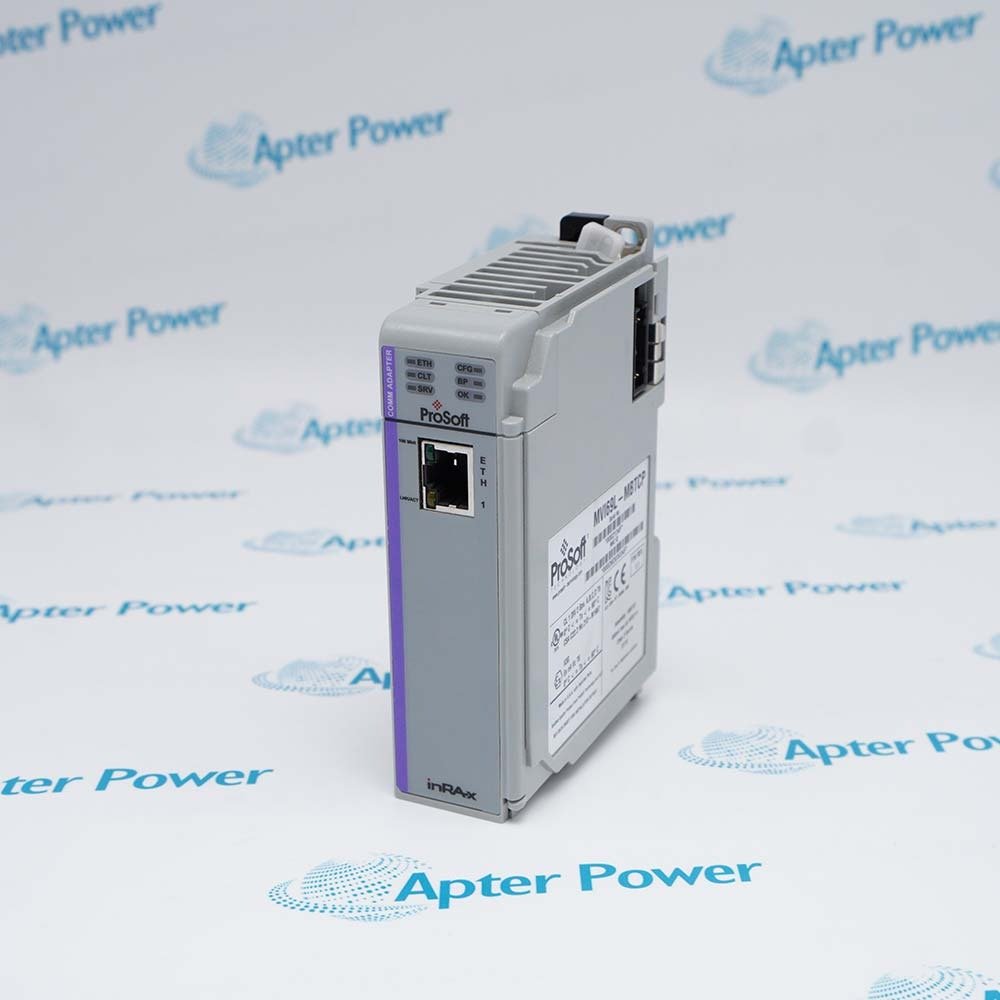
For discontinued ProSoft parts where manufacturer support has ended, third-party warranty programs offer extended protection beyond standard refurbisher guarantees. Specialized industrial warranty providers assess component condition and usage environment, then offer coverage terms tailored to specific operational risks. These programs typically cost 15-25% of the component’s refurbished price annually but provide valuable protection for critical production equipment. Some refurbishment vendors partner with warranty providers to offer bundled coverage options, simplifying procurement while ensuring comprehensive protection. When evaluating third-party warranties, verify the provider’s financial stability and claims history, as warranty value depends entirely on the company’s ability to honor commitments when failures occur.
Finding Reliable Sources for Discontinued ProSoft Parts
ProSoft Technology maintains a network of authorized distribution partners who meet specific standards for handling refurbished components, though these partnerships focus primarily on current product lines rather than discontinued items. When seeking refurbished parts for obsolete ProSoft modules, contact the manufacturer directly to inquire about recommended service centers that specialize in legacy product support. These authorized facilities typically maintain original testing equipment and access to technical documentation that ensures proper refurbishment procedures. While authorized partners may charge premium prices compared to independent vendors, their direct manufacturer relationship provides added assurance regarding component authenticity and restoration quality.
Independent refurbishment vendors dominate the market for discontinued ProSoft parts, requiring careful evaluation to separate qualified specialists from opportunistic resellers. Examine how long the vendor has operated in industrial automation refurbishment, as established businesses with five or more years of history demonstrate market credibility. Request references from companies in similar industries who have purchased comparable components, then follow up to verify satisfaction with part performance and warranty service. Investigate whether the vendor employs technicians with specific ProSoft training or industrial networking expertise, as generic electronics refurbishers may lack knowledge of communication protocol requirements and industrial environmental standards. Quality vendors readily provide detailed information about their testing procedures, including whether they verify Ethernet/IP, Modbus, or other protocol functionality specific to ProSoft devices. Suppliers specializing in automation and industrial spare parts, such as Apter Power, typically maintain broader inventories of discontinued components and established testing protocols for legacy communication modules.
Several warning signs indicate unreliable sourcing options that risk equipment failures and financial losses. Avoid vendors who cannot provide serial number traceability or refuse to disclose the component’s refurbishment history, as this suggests potential counterfeit parts or inadequate restoration processes. Be cautious of prices significantly below market averages, typically more than 80% off new equivalent costs, which often indicate untested used parts misrepresented as refurbished units. Vendors offering only short warranty periods under 30 days or imposing restrictive warranty conditions demonstrate low confidence in their work quality. Similarly, suppliers unable to provide technical support or installation guidance likely lack the expertise necessary for proper component restoration and customer service.
Step-by-Step Sourcing Process
Step 1: Identifying Your Part Requirements
Begin by documenting the exact ProSoft part number from the component’s faceplate or equipment documentation, as even minor variations in model suffixes can indicate different firmware versions or communication capabilities. Photograph the existing unit’s label and record any configuration settings, DIP switch positions, or firmware versions currently in use. Cross-reference this information with ProSoft’s technical documentation to identify compatible replacement options, as some refurbished units may offer equivalent functionality under different part numbers. Verify electrical specifications including input voltage ranges, current draw, and mounting dimensions to ensure physical compatibility with your existing installation. Contact your equipment manufacturer or system integrator to confirm that refurbished components will maintain system certifications and comply with any industry-specific requirements affecting your operations.
Step 2: Vendor Evaluation Criteria
Prioritize vendors holding ISO 9001 quality management certification, which demonstrates documented processes for inspection, testing, and traceability throughout refurbishment operations. Request detailed descriptions of the vendor’s testing protocols, specifically asking whether they perform protocol-specific verification for ProSoft’s Ethernet/IP, Modbus TCP, or DeviceNet communications rather than just basic power-on tests. Inquire about the test equipment used and whether it matches or exceeds ProSoft’s original manufacturing test specifications. Ask vendors to provide sample test reports from previous refurbishments showing actual performance data rather than generic pass/fail results. Verify that the vendor maintains electrostatic discharge protection in their work areas and follows proper handling procedures for sensitive electronic components, as improper refurbishment environments can introduce latent failures that appear weeks after installation.
Step 3: Finalizing the Purchase
Before completing payment, obtain written documentation including the warranty certificate, test results specific to your unit’s serial number, and a detailed invoice itemizing all charges including shipping and handling. Request a certificate of conformity stating that the refurbished component meets original ProSoft specifications and applicable industry standards. Clarify the vendor’s return policy, specifically the timeframe for reporting defects and whether restocking fees apply to functional units that prove incompatible with your application. Confirm the vendor’s technical support availability, including whether they provide installation assistance, troubleshooting guidance, and configuration support beyond the warranty period. Secure the vendor’s contact information for warranty claims and verify their preferred method for initiating returns, as clear communication channels prevent delays when addressing performance issues after installation.
Safe Sourcing Strategies for Refurbished ProSoft Components
Successfully sourcing refurbished ProSoft parts requires systematic vendor evaluation, thorough documentation review, and clear understanding of warranty protections that safeguard your equipment investments. By verifying vendor certifications, examining testing protocols, and confirming protocol-specific functionality verification, procurement specialists can identify reliable suppliers who deliver components meeting operational requirements. Prioritizing warranty coverage that includes reasonable response times, advance replacement options, and comprehensive failure protection ensures that cost savings from refurbished parts don’t come at the expense of production uptime. When dealing with discontinued components, establishing relationships with qualified refurbishment vendors who maintain proper testing equipment and technical expertise provides long-term supply chain stability for legacy systems. Document every aspect of your purchase including serial numbers, test results, and warranty terms to support future claims and maintain compliance records. For critical applications where equipment failure carries significant operational consequences, consider third-party warranty programs that extend protection beyond standard refurbisher guarantees. Take time to thoroughly evaluate vendors rather than rushing purchases based solely on price, as the difference between reliable refurbished components and problematic units often depends on the supplier’s commitment to quality restoration processes and customer support.


