Understanding Cold Laser Therapy
What Is Cold Laser Therapy?
Cold laser therapy, also known as low-level laser therapy (LLLT), is a non-invasive treatment that uses specific wavelengths of light to help your body heal. Think of it as a gentle nudge for your cells to get back to work repairing themselves. Unlike surgical lasers that cut or burn tissue, cold lasers operate at a low power level. This means they don’t generate heat that would damage your skin or underlying tissues. Instead, the light energy is absorbed by your cells, kicking off a natural healing process. It’s a way to tap into your body’s own repair mechanisms without needles, drugs, or surgery.
How Does Cold Laser Therapy Work?
The magic behind cold laser therapy is a process called photobiomodulation. When the low-level laser light is applied to an injured area, photons penetrate the skin and are absorbed by light-sensitive parts within your cells, particularly the mitochondria. These are like the power plants of your cells, and the light energy helps them produce more ATP, which is the energy your cells need to function and repair themselves. This increased cellular energy leads to a chain reaction of beneficial effects:
- Increased ATP Production: More energy for cellular repair.
- Improved Blood Flow: Better circulation brings more oxygen and nutrients to the injured site.
- Reduced Inflammation: Helps calm down the swelling and pain associated with injury.
- Stimulated Collagen Production: Aids in rebuilding damaged tissues.
Essentially, the light energy is converted into chemical energy that helps speed up the body’s natural healing cycle. It’s a bit like how plants use sunlight to grow, but in this case, it’s your cells using light to mend.
The Science Behind Healing With Light
At its core, cold laser therapy works by influencing cellular activity. The specific wavelengths of light used are chosen because they are absorbed by chromophores within the cells. When these chromophores absorb the light energy, it triggers a series of biochemical reactions. One of the most significant is the boost in mitochondrial activity, leading to a surge in ATP production. This cellular energy is vital for all biological processes, including tissue repair and regeneration. The light also influences other cellular components, promoting a reduction in oxidative stress and inflammation, which are common roadblocks to healing.
The goal is to provide cells with the energy they need to perform their repair functions more efficiently, thereby accelerating the healing process and reducing pain without causing any thermal damage to the tissues.
Benefits of Cold Laser Therapy for Healing
When you’re dealing with an injury, the main goal is to get back to feeling like yourself again, and fast. Cold laser therapy, also known as low-level laser therapy (LLLT), offers a way to help your body heal itself more efficiently. It’s not magic, but it does use light to get cells working better.
Accelerated Cellular Repair
Think of your cells like tiny workers. When they’re injured, they need a boost to get back to work repairing the damage. Cold laser therapy provides that boost. The light energy penetrates the skin and is absorbed by the cells, particularly the mitochondria, which are like the powerhouses of the cell. This absorption helps to increase cellular activity, speeding up the repair process for damaged tissues. It’s like giving those cellular workers a strong cup of coffee and a clear to-do list.
Reduced Inflammation and Swelling
Inflammation and swelling are common signs that your body is trying to heal, but they can also cause a lot of pain and slow things down. Cold laser therapy helps to calm this inflammatory response. It can reduce the production of certain chemicals that cause inflammation and encourage the release of others that help reduce it. This means less swelling and less pain, making it easier to move and start your recovery.
Enhanced Collagen Production
Collagen is a protein that’s super important for building and repairing tissues like skin, tendons, and ligaments. Cold laser therapy can stimulate the cells that make collagen, called fibroblasts. By encouraging more collagen production, the therapy helps to rebuild damaged tissues, making them stronger and more resilient. This is key for recovering from injuries like sprains or strains, and it can also help with scar tissue reduction.
Improved Blood Flow and Nutrient Delivery
For any healing to happen, your injured tissues need a good supply of oxygen and nutrients. Cold laser therapy can help improve blood flow to the area. It can cause blood vessels to widen slightly, allowing more blood to reach the site of injury. This increased circulation not only brings in the good stuff (oxygen, nutrients) but also helps to clear away waste products that can slow down healing. This improved circulation is also beneficial when combined with other treatments like massage therapy, as it can help prepare the tissues for deeper work or aid in post-massage recovery.
Cold laser therapy works by using specific wavelengths of light to interact with your body’s cells. This interaction encourages cells to function more efficiently, leading to faster healing and reduced pain. It’s a non-invasive way to support your body’s natural recovery processes.
Here’s a quick look at how these benefits come together:
- Faster Tissue Repair: Cells work harder and faster to fix damage.
- Less Pain and Swelling: The body’s inflammatory response is managed more effectively.
- Stronger Tissues: Increased collagen helps rebuild and strengthen injured areas.
- Better Circulation: More oxygen and nutrients reach the injury site.
Conditions Treated by Cold Laser Therapy
Cold laser therapy, also known as low-level laser therapy (LLLT), is a versatile treatment that can help with a surprising number of issues. It’s not just for athletes with sports injuries, though it’s certainly great for them. Many everyday aches and pains can also find relief with this light-based approach. At Canyon Lake Chiropractic and Physical Therapy, we see it help a wide range of patients.
Soft Tissue Injuries
This is a big one. Think about all the times you’ve pulled a muscle, sprained an ankle, or just felt that nagging ache in your shoulder. Cold laser therapy can really make a difference here. It helps speed up the repair process for damaged ligaments, tendons, and muscles. It also works to calm down inflammation and get blood flowing better to the injured spot, which is key for healing.
- Sprains and Strains: Injuries to ligaments and muscles.
- Tendonitis: Like tennis elbow or Achilles tendonitis.
- Bursitis: Inflammation of the small fluid-filled sacs that cushion joints.
- Plantar Fasciitis: That heel pain that can really slow you down.
Joint and Muscle Ailments
When your joints and muscles aren’t happy, it affects everything you do. Cold laser therapy can be a real game-changer for conditions that cause stiffness, pain, and reduced movement. It’s often used for:
- Arthritis Flare-ups: While it won’t cure arthritis, it can significantly reduce the pain and swelling during a flare-up, making movement easier.
- Muscle Soreness and Aches: Whether from a tough workout or just daily life, LLLT can help muscles recover faster.
- Back Pain: It can help relax tight muscles and reduce inflammation contributing to back discomfort.
Chronic and Post-Surgical Conditions
Sometimes, injuries just don’t seem to heal completely, or you’re recovering from surgery. Cold laser therapy can provide that extra boost the body needs.
- Lingering Injuries: For those aches and pains that just won’t go away, LLLT can stimulate the cells to finish the healing process.
- Post-Surgical Recovery: It can be applied to surgical sites to help incisions heal cleanly, reduce scarring, and minimize swelling and pain after an operation.
Cold laser therapy works by using specific wavelengths of light to penetrate the skin and interact with cells. This interaction encourages cellular repair, reduces inflammation, and improves circulation, all without any heat or discomfort. It’s a gentle yet effective way to support your body’s natural healing capabilities across a variety of conditions.
What to Expect During Cold Laser Therapy
So, you’re curious about what actually happens when you go in for a cold laser therapy session? It’s pretty straightforward, really. The whole point is to get you feeling better without any fuss or discomfort. Think of it as a gentle, light-based treatment designed to help your body heal itself.
The Treatment Session
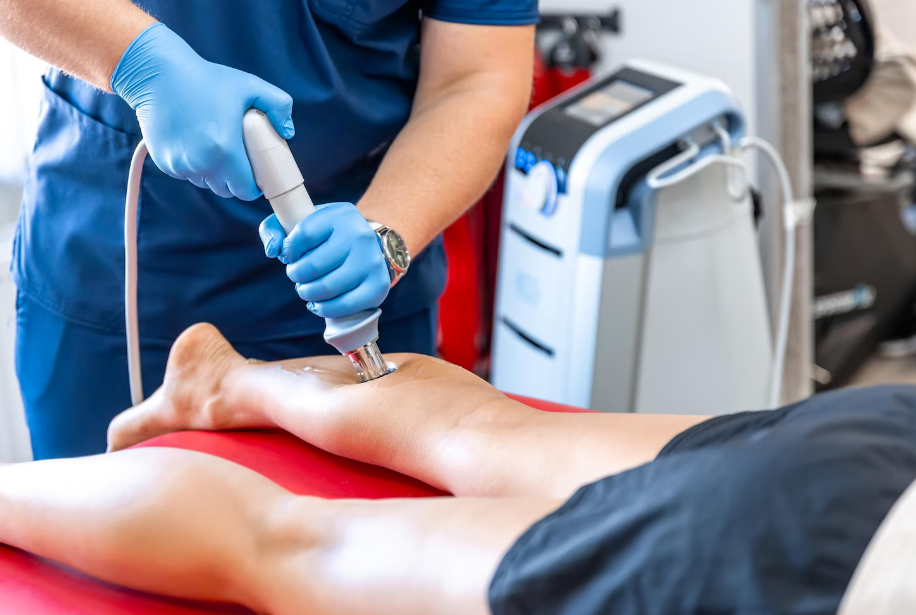
When you arrive, you’ll likely be asked to get comfortable, either sitting or lying down, depending on the area being treated. The practitioner will then use a handheld device, kind of like a pen or a small flashlight, to direct the low-level laser light onto the specific spot that needs attention. You won’t feel any heat or pain; some people mention a slight tingling, but that’s about it. The session itself is usually quite quick, often lasting anywhere from a few minutes to about 15 or 20 minutes, depending on how much area needs to be covered.
Typical Treatment Plan
Cold laser therapy isn’t usually a one-and-done deal. Most people benefit from a series of treatments. Initially, you might go in a few times a week for a couple of weeks. Your healthcare provider will work with you to figure out the best schedule based on your specific condition and how your body is responding. It’s common to start noticing some positive changes after just a few sessions, with improvements building up over time.
Here’s a general idea of what a treatment plan might look like:
- Initial Phase: 2-3 sessions per week for 2-4 weeks.
- Maintenance Phase: Weekly or bi-weekly sessions as needed.
- Follow-up: As determined by your practitioner.
Pain Modulation and Relief
One of the main reasons people seek out cold laser therapy is for pain relief. The light energy from the laser works at a cellular level to reduce inflammation and encourage healing. This can lead to a noticeable decrease in pain and discomfort. It’s a non-invasive way to tackle pain without relying on medications, which is a big plus for many.
The light penetrates the skin and interacts with cells, kickstarting natural repair processes. This helps to calm down inflammation and reduce the signals that tell your brain you’re in pain. It’s like giving your body’s healing mechanisms a gentle nudge in the right direction.
It’s important to remember that cold laser therapy is often part of a larger plan. It works best when combined with other approaches, like physical therapy exercises or specific stretches, to help you get back to your normal activities as quickly as possible.
Safety and Efficacy of Cold Laser Therapy
When we talk about cold laser therapy, one of the first things people want to know is if it’s safe and if it actually works. The good news is, it’s generally considered very safe, especially when a trained professional is handling the equipment. It’s a non-invasive approach, meaning no needles, no surgery, and no cutting involved. This is a big plus for anyone who’s a bit squeamish or just wants to avoid the risks associated with more invasive procedures.
Non-Invasive and Drug-Free Approach
This therapy uses low-level laser light, often called LLLT (Low-Level Laser Therapy), to interact with your body’s tissues. It’s not like the lasers you might think of from science fiction; it doesn’t burn or cut. Instead, the light energy is absorbed by cells, encouraging them to work more efficiently. This means you can get the benefits of healing without relying on medications that can have side effects or require a long recovery time. It’s a way to help your body heal itself, just with a little light-assisted nudge.
Minimal to No Side Effects
Most people find cold laser therapy to be quite comfortable. You usually don’t feel much during a session, maybe a slight warmth or a gentle tingling sensation. Serious side effects are extremely rare. In some cases, very mild, temporary redness or skin irritation might occur right at the treatment spot, but this usually resolves quickly. It’s important that the therapy is administered by someone who knows what they’re doing, as improper use could theoretically lead to issues, but under professional guidance, it’s a very gentle treatment.
Compatibility with Other Therapies
One of the really convenient things about cold laser therapy is that it plays well with others. It’s not an either/or situation. You can often use it alongside other treatments you might be undergoing. For example, if you’re in physical therapy, cold laser can be a great addition to help speed up the healing process between sessions. It can also be used while you’re taking pain medication or using topical creams, and in some cases, it might even help you reduce your reliance on those medications over time. It’s like a team player for your recovery plan.
Here’s a quick look at how it stacks up:
- Safety Profile: Very high, with minimal reported adverse events.
- Drug Dependency: Reduces the need for pain or anti-inflammatory drugs.
- Invasiveness: None. It’s entirely external.
- Comfort: Generally painless and well-tolerated.
The efficacy of cold laser therapy is supported by its ability to stimulate cellular activity. This targeted approach helps tissues repair themselves more quickly, leading to faster recovery times and a return to normal function. It works by influencing cellular metabolism and reducing inflammation, which are key factors in the healing cascade.
Achieving Faster Recovery with Cold Laser Therapy
Shortening Recovery Time
When you’re dealing with an injury, the waiting game can be the hardest part. Cold laser therapy steps in to speed things up. It works by getting your cells to repair themselves faster. Think of it like giving your body’s repair crew a supercharged toolkit. This means less time spent on the sidelines and more time getting back to what you love doing. It’s not magic, but it sure feels like it when you start seeing progress sooner than expected.
Restoring Range of Motion
Pain and swelling can really lock things down, making it tough to move like you used to. Cold laser therapy helps tackle both of those issues. By calming down inflammation and encouraging damaged tissues to mend, it helps to loosen things up. This means you can start moving more freely, working towards getting your full range of motion back. It’s about getting you back to your normal activities without that stiff, restricted feeling.
Supporting Natural Healing Mechanisms
Your body is pretty amazing at healing itself, and cold laser therapy just gives it a helpful nudge. It uses specific light wavelengths to encourage your cells to do their job better. This includes things like boosting circulation to bring in more good stuff and taking away waste, and helping your body make more of the building blocks it needs for repair. It’s a way to work with your body’s natural processes, not against them, to get you back on your feet.
Here’s a look at how it helps speed things up:
- Cellular Boost: Light energy encourages cells to work harder and repair faster.
- Inflammation Control: It helps dial down swelling and redness, which often slows healing.
- Tissue Repair: Supports the creation of new, healthy tissue, like collagen, for stronger repairs.
- Circulation Improvement: Better blood flow means more oxygen and nutrients reach the injured spot.
Cold laser therapy is a non-invasive way to help your body heal itself more efficiently. It’s about using light to encourage your cells to repair damage, reduce swelling, and get things moving again, all without drugs or surgery.
Frequently Asked Questions
What exactly is cold laser therapy?
Cold laser therapy, also called low-level laser therapy (LLLT), is a way to help your body heal using a special kind of light. It’s not like the lasers used in surgery that cut things. Instead, it uses low-power light that doesn’t create heat. This light is aimed at injured areas to help speed up healing and reduce pain.
How does this light help my body heal?
Think of it like giving your cells a little boost. The light energy from the cold laser gets absorbed by your cells. This helps them work better, repair themselves faster, and reduce swelling. It’s similar to how plants use sunlight to grow, but this light helps your body’s tissues get better.
What kinds of injuries can cold laser therapy help with?
It’s great for many problems like pulled muscles, sprained ankles, sore tendons (like tennis elbow), and even some joint pain. It can also help with wounds after surgery and injuries that just won’t seem to heal completely, like back pain or arthritis discomfort.
Will a cold laser therapy session hurt?
Not at all! Most people don’t feel anything during a session, though some might feel a slight warmth or tingling. The devices are held over the injured spot for a short time, usually just a few minutes to about 20 minutes per session. It’s completely painless.
How many treatments will I need?
That really depends on your specific injury. Usually, you’ll have a few sessions each week for a number of weeks. Many people start feeling better after just a few treatments, and you’ll likely see more improvement as you continue with your plan.
Are there any bad side effects from cold laser therapy?
Cold laser therapy is considered very safe. Since it doesn’t use heat or drugs, there are usually no side effects. In rare cases, some people might have a little redness or feel a bit uncomfortable right after a session, but it goes away quickly. It’s a great way to heal without needing medicine.