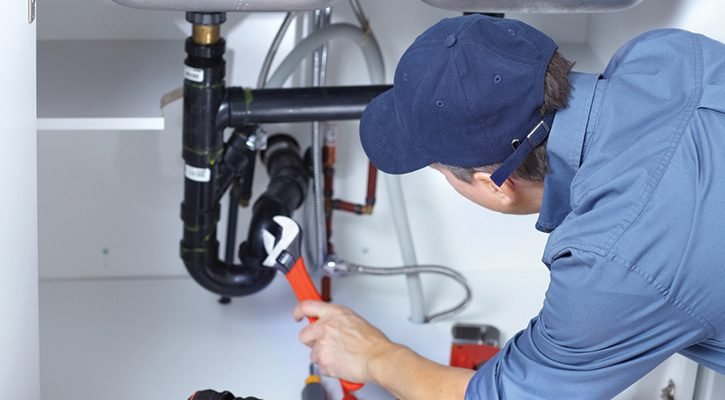
Your plumbing system delivers safe water and removes waste to keep your home running smoothly. Regular maintenance and inspections help minimize damage, emergency repairs and high utility bills.
Avoid flushing anything other than toilet paper and never pour grease, fat, coffee grounds or food waste down a drain or garbage disposal. These items can clog pipes and cause unpleasant odors.
Leaks
Leaks are among the most common plumbing problems and can cause serious damage if left unattended. They can lead to mold, rot, and other issues in the home. Educating your customers on the importance of leak detection and how to spot the warning signs of a leak can help prevent major problems down the line. Melbourne’s top plumber Fix-It Right Plumbing can help identify leaks in your plumbing system.
Leaking pipes can also result in mineral buildup, which causes brown or yellow discoloration of water. This occurs because the leaking water creates turbulence in the pipe, which dislodges and mixes rust particles into the water stream. In addition, leaky pipes can create pressure fluctuations that may cause water to escape through cracks or gaps in the pipe.
Leaking pipes can often be identified by the sounds they make, such as dripping, hissing, or gurgling. These sounds occur when escaping water causes vibrations that hit against other pipes or the surrounding wall. Using listening rods can help you locate the source of the leak without having to open up the floor to inspect the pipes.
Clogs
Clogs are a common plumbing problem that can lead to slow drainage, unpleasant odors, and potential water damage. Practicing preventive measures like installing drain strainers and regularly flushing your drain pipes with hot water can reduce the chances of clogs. Also, educating your household about what should and shouldn’t be flushed (like “flushable” wipes or feminine products) can help minimize clog repair needs.
Local fixture clogs often signal a buildup of hair or foreign objects in the trap pipe under your sink. If these simple solutions don’t work, try plunging the affected drain. To do this, stuff a rag or a towel in the overflow hole of your sink, then plunge vigorously.
For larger clogs that defy simple methods, you can use a wet/dry vacuum to suck out the debris. You can also try snaking the drain by removing the P-trap, threading a snake’s tip into the opening, and pushing or hooking onto the debris until it breaks apart or is removed.
Broken Pipes
A burst pipe can be devastating for your home, resulting in a flooded room, water damage and expensive repairs. Fortunately, there are some simple fixes you can do without advanced plumbing skills to help keep your home safe and protect your investment.
Persistent sewer odors may signal a clogged P-trap, dried-out vent pipe or a broken drain line. Unexplained water bills could mean a leak that’s wasting water around the clock.
If you have a pinhole leak, try wrapping duct tape around the affected section of pipe. This will provide pressure to slow the leak and give you time to call a plumber. If you have a larger leak, turn off your water main at the house valve to stop the flow of water and help prevent further damage. Then, open faucets and flush toilets to release water pressure in the home. Once the water is turned off, you can assess the damage and make a more permanent repair.
Septic System
Septic systems are individual wastewater treatment systems that handle waste from homes not connected to a public sewer system. They are designed to treat wastewater and keep harmful bacteria, fungi and chemicals from entering ground water or surface water. They typically consist of a septic tank, a buried drain field or leach field and a piping network that carries wastewater from the house to the tank and then to the soil treatment area.
A septic system relies on microorganisms in the soil to break down and treat wastewater. Solid materials settle at the bottom of the tank forming sludge, and grease and lighter materials float to the top as scum. Bacteria and other organisms in the soil absorb these pollutants and break them down into nutrient-rich wastewater that enters the drainage field and eventually flows into ground water.
Avoid overloading the septic system by reducing the number of loads of laundry and using the garbage disposal sparingly. Avoid chemical drain openers and other toxic household chemicals that can enter the septic system and kill the organisms that consume wastewater contaminants. Keep children and pets away from the septic system and do not park or dig on or near the drain field.