Introduction
Fast food is more than just quick meals. Behind every burger, combo deal, and picture on the wall, there is careful planning. Fast food companies use psychology to design fast food menus that guide customers to order certain items. Colors, words, prices, and even where items are placed all affect what people choose. Most customers do not even notice these tricks, but they work very well. In this article, we will explore how fast food menus influence customer choices and why popular fast food menu items are so hard to resist.
Why Fast Food Menus Are Carefully Designed
Fast food menus are not random lists of food. Each menu is designed to make ordering easy and fast. When customers feel less confused, they are more likely to buy more items. Restaurants study how people read menus and how long they look at each section. They use this information to highlight items that bring the most profit.
Fast food menus also aim to create a good mood. When customers feel happy or hungry, they are more likely to order quickly. This is why menus focus on images and simple words instead of long descriptions.
The Power of Colors on Fast Food Menus
Colors play a big role in customer choices. Red, yellow, and orange are common colors on fast food menus. These colors are known to increase appetite and create excitement. Red can make people feel hungry, while yellow grabs attention and feels cheerful.
Dark colors are often used for premium items. A black or deep brown background can make food seem more special or high quality. This trick helps restaurants sell higher-priced popular fast food menu items without customers thinking they are too expensive.
How Menu Layout Guides Customer Choices
Where food items are placed on fast food menus matters a lot. Most people look at the center or top-right area first. This area is often called the “sweet spot.” Restaurants place their most profitable items there.
Combo meals are usually placed in large boxes or highlighted sections. This makes them stand out more than single items. When customers see a combo, they feel it offers better value, even if they spend more money overall.
The Role of Images and Food Photos
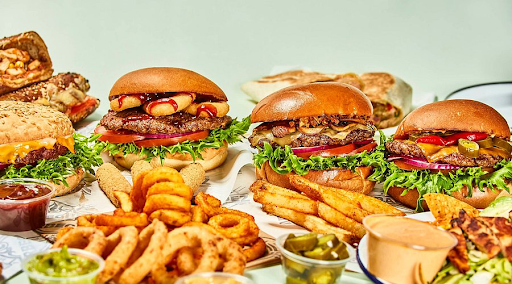
Pictures are powerful tools on fast food menus. A large, bright image of a burger or pizza can make customers feel hungry instantly. These images are carefully edited to look fresh, juicy, and perfect.
Photos are often used for popular fast food menu items because they are already well-liked. Seeing them again reminds customers of good past experiences. This emotional connection makes people more likely to order the same item again.
Why Descriptions Matter on Fast Food Menus
The words used on fast food menus are simple but effective. Instead of saying “chicken sandwich,” menus might say “crispy golden chicken sandwich.” These words help customers imagine taste and texture.
Using positive and tasty words creates excitement. Customers may feel like they are getting something special, even if the ingredients are basic. This technique helps restaurants sell items faster and with less hesitation.
Pricing Tricks That Influence Decisions
Prices on fast food menus are also part of psychology. Many menus avoid using currency signs. Without seeing a dollar sign, customers think less about money and more about food.
Another trick is placing a very expensive item next to a cheaper one. The cheaper item then feels like a better deal. This makes customers choose mid-priced popular fast food menu items instead of the cheapest options.
Why Combo Meals Feel Like a Smart Choice
Combo meals are a big part of fast food menus. They are designed to feel like a bargain. When customers see a burger, fries, and drink together, they feel they are saving money.
In reality, combo meals encourage customers to buy more food than they planned. This works because people like simple choices. Instead of picking three items, they pick one combo and feel satisfied with the decision.
Limited-Time Offers and Urgency
Fast food menus often include limited-time offers. These items create a sense of urgency. Customers feel they must order now or miss out.
This psychological trick is very effective. When people think something will not be available later, they act faster. Limited-time popular fast food menu items often become bestsellers because of this pressure.
Why Familiar Items Feel Comforting
People like what they already know. Fast food menus use familiar items to create comfort and trust. When customers see their favorite burger or fries, they feel safe ordering them again.
This is why menus rarely change completely. New items are added, but classic items stay. Familiarity helps customers make quick choices without stress.
How Simplicity Improves Ordering Speed
Fast food menus are designed to be easy to read. Too many choices can confuse customers and slow down lines. Restaurants reduce stress by grouping items into clear sections.
Simple menus help customers feel confident. When people feel confident, they are more likely to order quickly and add extra items. This benefits both the customer and the restaurant.
The Emotional Connection to Fast Food Menus
Fast food menus also connect to emotions. Many people associate fast food with fun times, family outings, or treats. Menus remind customers of these positive memories.
This emotional link makes popular fast food menu items feel special, even if they are simple foods. Emotions play a strong role in repeat visits and brand loyalty.
Conclusion
Fast food menus are carefully crafted using psychology to influence customer choices. Colors, images, layout, pricing, and words all work together to guide decisions. Most people do not realize how much these elements affect what they order. By understanding the psychology behind fast food menus, customers can become more aware of their choices. At the same time, this knowledge shows why popular fast food menu items remain so successful. Fast food may be quick, but the thinking behind the menu is anything but simple.
