Bringing a puppy home feels magical at first. Soft paws. Warm belly. That tiny sigh when they fall asleep next to you. And then… argh. Shoes get chewed. Leash time becomes a standoff. Your puppy either flops down dramatically or pulls like they are late for something important. Sound familiar? You are not doing anything wrong. Early training is messy.
Most people start with big hopes and calm voices. Then confusion creeps in. Why is this so hard? Why does my puppy look scared during walks? You want to guide them, not intimidate them. You want cooperation, not resistance.
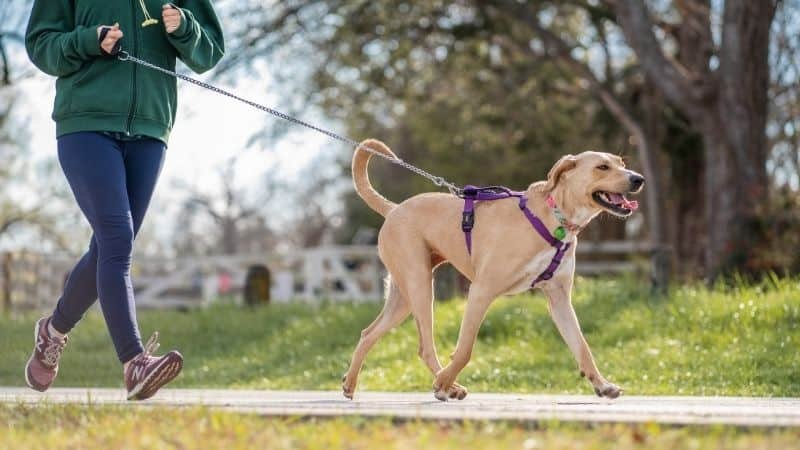
This is where a puppy harness quietly steps in and changes the mood. A puppy harness supports learning without pressure or panic. It lets your puppy explore while still feeling safe. It gives you control without tugging or fear. For many owners, switching to a puppy harness is the first moment training feels lighter. Walks stop feeling like a test. Your puppy stays curious, not stressed. Let us talk about why that matters so much.
Puppies Are Not Just Small Dogs
It is easy to forget this part, especially when everyone says, “They will grow out of it.” Puppies are not miniature adults. Their bodies are still figuring things out. Bones are soft. Joints are loose. Balance is clumsy. Neck muscles are weak.
A Labrador puppy might look sturdy, but coordination takes time. A Dachshund puppy carries a long spine that needs care from day one. A French Bulldog puppy already works harder to breathe. Even confident breeds like Border Collies can panic when they feel sudden restraint. When pressure hits the neck, stress shows up fast. Sometimes as pulling. Sometimes as freezing. Sometimes as complete refusal to move.
Then there is the emotional side. Puppies experience the world in short bursts. New sounds. Slippery floors. Strange smells. All of it piles up quickly. When something feels uncomfortable, they remember it. Training stops feeling safe and starts feeling risky.
A puppy harness supports the chest and shoulders instead of the throat. It works with how puppies grow, not against it. This small change often brings visible relief. Less tension in the body. Less worry in the eyes. Calm bodies lead to calmer learning. That calm sticks.
7 Reasons Why A Puppy Harness Reduces Stress During Early Training
Early training should feel like discovery, not defence. Here is why a puppy harness helps.
1. A Puppy Harness Protects The Neck During Sudden Movements
Puppies are unpredictable. One second, they walk nicely. Next, they spot a leaf and leap. Collars pull straight at the neck during these moments. That sudden pressure startles them. Sometimes they cough. Sometimes they panic.
A puppy harness spreads that pressure across the chest instead. When your Beagle puppy lunges toward an exciting smell, the movement feels supported. When your Shih Tzu puppy freezes mid-step, nothing tightens around the throat. This physical comfort reduces fear. Your puppy learns that movement is safe. Training starts without shock.
2. A Puppy Harness Helps Puppies Feel Secure, Not Trapped
Many puppies resist training because they feel stuck. A collar tightens when they pull back. That sensation triggers stress. They either plant themselves or fight it.
A puppy harness feels different. It wraps gently around the body. It does not choke or pinch. A Pug puppy often relaxes once the harness goes on. You can almost see the shift. They feel supported, not controlled. That sense of safety lowers anxiety and makes learning easier.
3. A Puppy Harness Encourages Natural Movement
Puppies learn through movement. Sniffing. Pausing. Turning. Collars interrupt this flow. Every pull breaks focus and confidence.
A puppy harness allows smoother redirection. You guide instead of jerk. Your Golden Retriever puppy keeps walking instead of stopping suddenly. Your Terrier puppy explores without panic. When movement feels natural, stress fades. Training blends into everyday life.
4. A Puppy Harness Builds Trust During Handling
Puppies notice how you touch and guide them. Rough handling breaks trust quickly. Gentle handling builds connection.
Using a puppy harness shows respect for your puppy’s body. You guide the chest, not the neck. Sensitive breeds like Whippets respond especially well. They stay engaged instead of shutting down. Over time, your puppy trusts your hands. That trust matters more than any command.
5. A Puppy Harness Supports Short, Calm Training Sessions
Puppies have short attention spans. Push too long and stress appears.
A puppy harness keeps sessions light. You practise indoors. You step outside briefly. You stop before frustration kicks in. Because the harness stays comfortable, your puppy stays relaxed. Training ends on a good note. That makes the next session easier for both of you.
6. A Puppy Harness Helps You Stay Calm Too
Let us be honest. Owner stress is real. When your puppy pulls, you tense up. When you worry about choking, you react faster. Puppies feel that energy.
A puppy harness removes that fear. You feel steadier. You guide instead of react. Your Cocker Spaniel puppy senses your calm and mirrors it. Training becomes cooperative, not combative. Calm owners raise calmer puppies.
7. A Puppy Harness Makes First Outdoor Experiences Less Scary
The outside world is a lot for a puppy. Cars. People. Wind. Strange noises that come out of nowhere. For many puppies, the first few walks feel overwhelming, even if they look confident at home.
This matters more than people realise. Early outdoor stress can turn into long-term fear. A puppy harness gives your puppy the confidence to face new environments without feeling trapped or startled. Over time, walks stop feeling scary. They start feeling familiar. And that is when real training progress happens.
Conclusion
Early training shapes how your puppy sees the world. Stress during this phase leaves marks that last. A puppy harness supports your puppy’s developing body and sensitive mind. It reduces pressure, fear, and confusion. It allows movement, curiosity, and gentle guidance. It also helps you stay calm and present.
If training feels tense right now, pause and reassess. A high-quality puppy harness can change the entire experience. Walks become bonding moments. Learning feels safe again. Choose comfort. Choose trust. Give your puppy a calmer start with the right puppy harness.