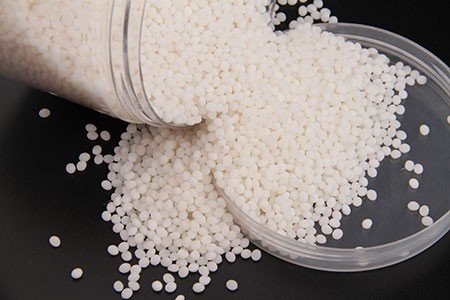
As industries worldwide move toward sustainable and environmentally responsible materials, eSUN’s Polycaprolactone (PCL) has emerged as a reliable and high-performance biodegradable polymer. Designed to meet modern sustainability requirements without compromising functionality, PCL offers an excellent balance of performance, safety, and environmental compatibility.
One of the most significant advantages of eSUN PCL is its non-toxic nature and complete biodegradability. Unlike traditional plastics that persist in the environment for decades, PCL can fully biodegrade in seawater, freshwater, and both home and industrial composting environments. This makes it a strong candidate for industries seeking eco-friendly alternatives to petroleum-based polymers.
What Makes Polycaprolactone (PCL) Unique?
Polycaprolactone is produced through ring-opening polymerization, a controlled chemical process that results in a polymer with high crystallinity and a low melting point. These characteristics make eSUN PCL exceptionally easy to process while maintaining excellent mechanical properties.
Thanks to its molecular structure, PCL demonstrates:
- Excellent flexibility and toughness
- Strong bonding ability with difficult substrates
- High compatibility with other polymers
- Smooth processing behavior and easy coloration
These features allow manufacturers to blend PCL with other materials to improve biodegradability, flexibility, and processing performance without major changes to existing production systems.
Key Advantages and Material Properties of eSUN PCL
eSUN’s Polycaprolactone offers several performance advantages that set it apart from conventional biodegradable materials:
1. Complete Biodegradability
PCL naturally decomposes in various environments, including marine and freshwater ecosystems. This makes it especially valuable in reducing plastic pollution and environmental waste.
2. Low Melting Point
The low melting temperature allows PCL to be processed at lower energy levels, improving production efficiency and reducing overall manufacturing costs.
3. Excellent Adhesion
eSUN PCL bonds effectively with materials that are typically difficult to adhere to. This makes it ideal for adhesive formulations, coatings, and composite materials.
4. Safe and Non-Toxic
Its biocompatible and non-toxic nature makes PCL suitable for medical and consumer applications where safety is critical.
5. Easy Processing and Coloring
PCL can be easily shaped, molded, extruded, or colored, making it adaptable for a wide range of industrial manufacturing techniques.
Versatile Applications Across Multiple Industries
The adaptability of eSUN PCL allows it to be used in a wide variety of industries, supporting both sustainability and high performance.
Sustainable Packaging Solutions
PCL is increasingly used in biodegradable packaging products such as kraft paper bags, food containers, and hot or cold drink cups. Its compostable nature helps brands reduce plastic waste while meeting environmental regulations and consumer demand for eco-friendly packaging.
Medical and Healthcare Applications
Due to its excellent biocompatibility, eSUN PCL is widely used in medical applications. Common uses include surgical sutures, orthopedic splints, dental models, and medical scaffolds. Its ability to safely degrade inside or outside the body makes it highly suitable for temporary medical devices.
Industrial Adhesives and Coatings
PCL serves as a base material for eco-friendly PUR hot melt adhesives, industrial coatings, and footwear materials. Its strong adhesion properties and flexibility improve durability while maintaining environmental responsibility.
3D Printing and Modeling
In additive manufacturing, PCL is used for 3D printing filaments, manual modeling, and prototype development. Its low melting point makes it easy to work with, especially for educational, medical, and design applications.
Other Industrial Uses
Additional applications include powder coatings, shoe components, flexible materials, and specialty polymer blends. This versatility allows manufacturers to replace traditional plastics with a more sustainable alternative.
Supporting Sustainability Without Sacrificing Performance
One of the biggest challenges in sustainable material development is maintaining performance while reducing environmental impact. eSUN PCL successfully addresses this challenge by delivering reliable mechanical properties, processing flexibility, and long-term usability, all while being biodegradable.
By incorporating PCL into production lines, industries can significantly reduce their carbon footprint and plastic waste without sacrificing quality or durability. This makes eSUN PCL a practical solution for companies transitioning toward greener manufacturing practices.
Conclusion
eSUN’s Polycaprolactone (PCL) represents a forward-thinking approach to material innovation. With its biodegradability, non-toxic composition, easy processing, and wide application range, PCL supports both environmental responsibility and industrial performance.
From sustainable packaging and medical devices to industrial adhesives and 3D printing, eSUN PCL provides a dependable and eco-conscious material choice for modern industries looking to build a more sustainable future.