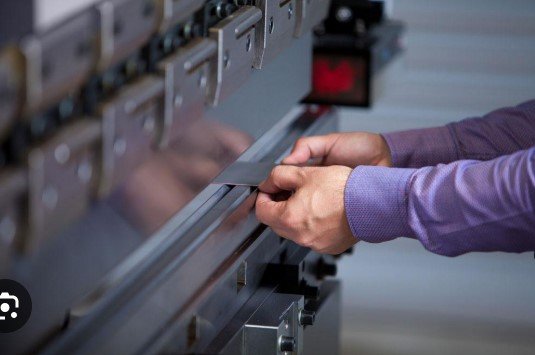
Introduction to Press Brake Safety Measures
In metal fabrication, press brakes are indispensable for bending and shaping sheet metal. However, the operation of these machines carries significant risks. Implementing effective press brake guarding is essential to protect operators from injuries while maintaining efficient production. Safety measures not only comply with regulations but also enhance workplace confidence and productivity.
Understanding Press Brake Hazards
Operating a press brake involves several potential hazards that must be addressed:
- Crushing Injuries: Hands or fingers can be caught between the punch and die during operation.
- Pinch Points: Moving components create areas where body parts can be trapped.
- Flying Debris: Metal fragments can be expelled, posing risks to eyes and skin.
- Mechanical Failures: Hydraulic or mechanical malfunctions can result in unexpected movements.
- Repetitive Strain: Continuous lifting or positioning of metal sheets can lead to musculoskeletal disorders.
Recognizing these hazards is the foundation for implementing effective guarding strategies.
Importance of Press Brake Guarding
Press brake guarding is a critical safety intervention that offers multiple benefits:
- Accident Prevention: Guards act as physical barriers that reduce exposure to hazardous zones.
- Regulatory Compliance: Proper guarding ensures adherence to occupational safety standards.
- Operator Confidence: A safe environment improves focus and reduces stress during operation.
- Operational Efficiency: Minimizing accidents decreases downtime and maintains production schedules.
Guarding is therefore an essential investment in both safety and productivity.
Types of Press Brake Guarding
Various guarding solutions are available to address different hazards:
- Fixed Guards: Permanent barriers that prevent access to dangerous areas during operation.
- Adjustable Guards: Flexible barriers that can be positioned according to the material size or operation type.
- Light Curtains: Sensors that detect operator presence and stop machine movement immediately.
- Two-Hand Controls: Require both hands to engage the machine, keeping them clear of dangerous areas.
Selecting the right type of guarding depends on machine specifications, production needs, and hazard assessments.
Implementing Guarding Solutions
Effective implementation of press brake guarding involves several steps:
- Risk Assessment: Identify areas of potential contact with moving parts and evaluate injury risks.
- Guard Installation: Install guards according to manufacturer recommendations and safety guidelines.
- Operator Training: Train personnel on how to operate the press brake safely with installed guards.
- Regular Inspections: Inspect guards frequently to ensure they remain intact and functional.
- Maintenance: Maintain guarding systems to prevent failures due to wear or damage.
Following these steps ensures that guarding solutions are both effective and reliable.
Role of Technology in Safety
Modern press brakes incorporate technological features that enhance guarding effectiveness:
- Light Curtains and Laser Sensors: Stop the machine instantly if an operator’s hand enters a hazardous zone.
- Programmable Safety Controls: Allow customization of safety functions for specific operations.
- Automated Positioning Systems: Reduce the need for operators to manually handle heavy sheets near danger zones.
Integrating technology with physical guards significantly improves overall workplace safety.
Training and Awareness Programs
Guarding is only effective when operators are aware of its purpose and function:
- Initial Training: Introduce new operators to guarding systems and hazard zones.
- Refresher Courses: Regularly update all personnel on safety practices and changes in procedures.
- Emergency Response: Teach operators how to respond in case of guarding failure or unexpected incidents.
- Safety Culture: Encourage reporting of near-misses and suggestions for improvements.
Education and awareness ensure that guards are used correctly and consistently.
Maintenance and Inspection Practices
To maintain the effectiveness of press brake guarding, regular maintenance is essential:
- Check for Wear: Inspect physical barriers for cracks, deformation, or loose fittings.
- Test Safety Devices: Verify that light curtains, sensors, and two-hand controls function properly.
- Lubrication and Mechanical Checks: Ensure that moving components do not compromise the integrity of guards.
- Documentation: Keep records of inspections and maintenance to track compliance and performance.
Consistent maintenance minimizes the risk of guard-related failures.
Benefits Beyond Safety
Proper press brake guarding offers advantages beyond injury prevention:
- Enhanced Productivity: Fewer accidents mean less downtime and consistent workflow.
- Reduced Costs: Lower medical and compensation expenses due to fewer injuries.
- Employee Retention: A safe workplace improves job satisfaction and loyalty.
- Compliance Confidence: Companies can demonstrate adherence to safety standards during audits.
Guarding is therefore a strategic component that supports both operational and human resource objectives.
Conclusion
press brake guarding is an essential aspect of safety in metal fabrication. By understanding hazards, implementing suitable guarding solutions, integrating technology, training operators, and performing regular maintenance, companies can create a secure and productive environment. Prioritizing safety through effective press brake guarding not only protects employees but also enhances overall operational efficiency and compliance.