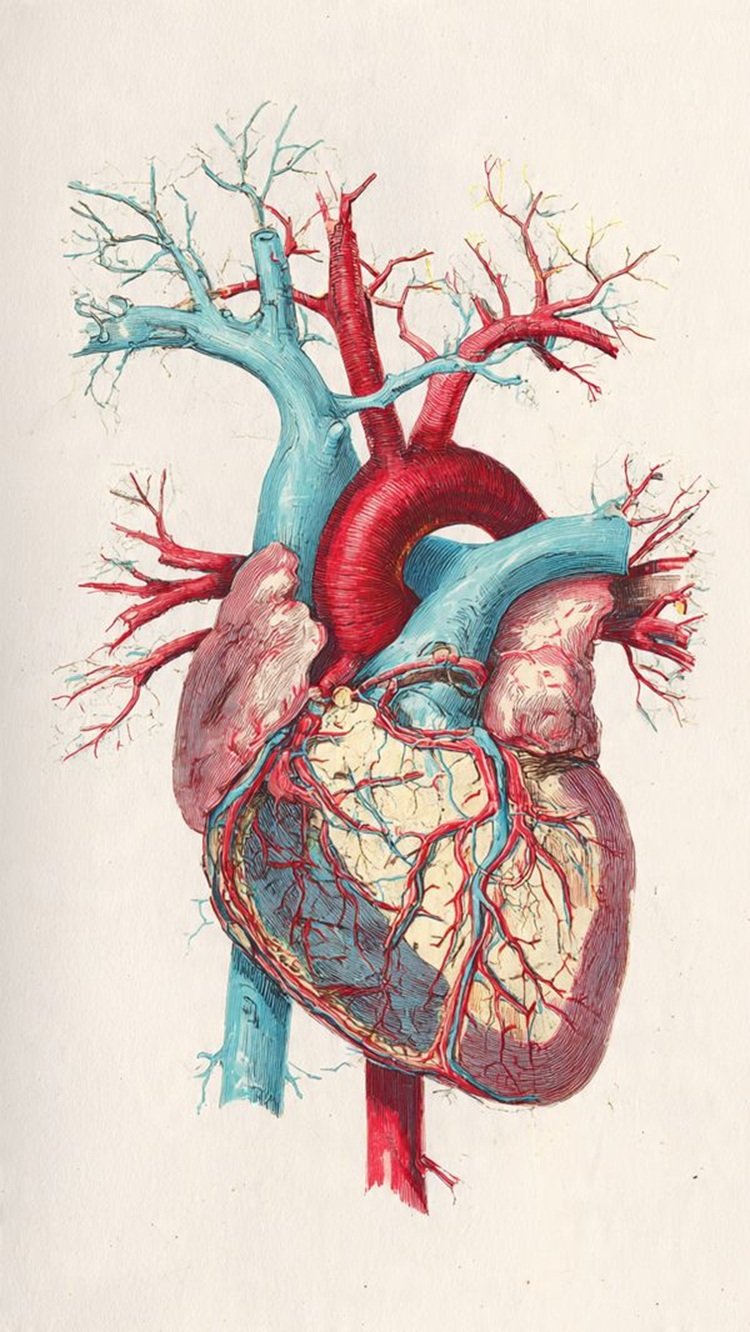
The circulatory system is a large and complex system that provides oxygen, nutrients, and essential body parts with essentials to all those cells. The heart of this network is the source of an interrelated system of blood vessels which act as highways through which blood travels easily to and out of tissues and organs. Each of these vessels has a special purpose to fulfil in keeping the body in circulation so that it is supplied with nutrients, is balanced and functional.
The knowledge of the difference between these blood vessels in structure and functioning assists in understanding the way the blood circulates throughout the body and the value of the blood circulation as a whole to human health is so significant. Blood circulation is efficient and healthy when blood vessels are healthy. As the health condition of vessels worsens, its circulation is compromised, exposing them to fatigue, dysfunctional organs, and chronic illness.
This article discusses the primary three types of blood vessels, namely arteries, veins, and capillaries, and how they collaborate to promote circulation and why vessel health contributes to circulation is one of the primary factors in long-term health.
A Review of the Blood Vessel Function
Blood vessels constitute a closed-looping system that enables the blood to run in a continuous flow all over the body. This system keeps the tissues supplied with oxygen and nutrients and elimination of waste products. The structural adaptation of the types of blood vessels to the respective functions in the circulation is specific to each.
High pressure blood flows away under the heart using arteries. The veins carry the pressure blood to the heart. The capillaries join the arteries and veins and they are where the blood and the tissues exchange. All these vessels form a powerful transport system that sustains all the physiological processes.
Circulation efficiency is directly related to health of blood vessels. Stretchy blood vessels enable the blood to pass on without any obstructions, whereas damaged vessels that are narrowed limit blood flow and put pressure on the heart.
Arteries: The Blood ways of the Heart
The transporting of blood out of the heart to the rest of the body is carried out by the arteries. A majority of arteries carry rich blood that has oxygen, which supplies the tissues with the oxygen and other nutrients needed to keep the body metabolism and generate energy. The exceptions made are the pulmonary arteries which are the vessels that move deoxygenated blood of the heart to the lungs.
The walls of the arteries are thick, muscular and elastic. This design enables the arteries to support the high pressure caused by edges of the contractions of the heart. Elasticity of arterial walls assists in ensuring constant blood flow by sucking up the pressure on the heartbeats and spurt out the pressure between heartbeats.
Big arteries lead to smaller arterioles which control blood flow to a particular tissue. Arterioles regulate blood supply to various parts of the body by modifying their diameter in relation to activity, temperature and the metabolic workload.
The Health of the Arteries and Blood Pressure
Arterial functioning is synonymous with blood pressure. The healthy arteries are easily expanded and contracted enabling blood to move freely. Arteries end up becoming either stiffer or narrowed, which causes the blood pressure to increase, thus making the heart to work harder to pump blood.
Diseases like atherosclerosis, whereby fatty deposits are found along the walls of the arteries, make the vessels less flexible and limit blood circulation. This may eventually result in hypertension, decreased oxygen supply, and heart disease and stroke.
Arterial health is also crucial in sustaining efficiency of circulation and preventing the damage of important organs.
Veins: The Coming Back of Blood to the Heart
Blood that has been pumped to tissues through the arteries returns to the heart via veins. Majority of veins carry deoxygenated blood except pulmonary veins which carry oxygenated blood to the heart that supply a portion of the lungs.
The veins have weaker walls and a lower amount of muscle than arteries. The pressure in the veins is lower, therefore the veins depend on other mechanisms that aid to the movement of blood efficiently. Valves are one of the most significant characteristics of veins which does not allow the blood to move backwards.
Such valves are of particular significance in the legs when the blood has to move uphill against gravity. During Movement causes the contraction of the muscles which causes movement of the blood towards the heart and in the same direction the blood is made to flow by valves.
Venous Circulation and Pooling of Blood
When the veins work well, the blood flows back to the heart in a smooth manner. Nevertheless, the blood can stagnate especially on the lower limbs due to the weakness of vein walls or broken valves. This pooling may result in swelling, pain and varicose veins are formed.
Poor venous circulation lowers the effectiveness of blood flow back which places a strain to the heart and limits oxygen and blood supply. The frequent change of position and muscle contraction are relevant in maintaining red venous flow.
Capillaries: The Exchange Network
Capillaries are the tiniest as well as the most extensive blood vessels in the body. These create thick webs in tissues that link up arterioles and the venules. Although capillaries are small, they are important in the circulation process as they help in the exchange of materials between blood and cells.
The thickness of the capillary walls is limited to one cell, thus enabling the diffusion of oxygen, nutrients and hormones into the nearby tissues. Meanwhile, the waste products like carbon dioxide leech out of tissues through blood.
The large spread of capillaries makes certain that almost all the cells are located near a blood supply. This closeness enables the effective interchange as well as facilitating the cellular activity within the body.
Blood Circulation in the Circulatory System
The circulation of blood is a continuous process that occurs due to arteries, capillaries, and veins. The blood with a high concentration of oxygen comes out of the heart by means of the arteries and goes by smaller and smaller blood vessels to the capillaries where diffusion takes place. Blood flows to the heart after it transports oxygen and nutrients to various body parts through veins.
Such an orderly movement makes sure that blood circulation is efficient and reacts to the needs of the body. When exercising, the blood supply to muscles is increased. When at rest it is diverted to digestive and recovery organs.
The alteration of this pathway may result in a hindrance of the blood flow and the supply of vital substances.
The Effect of Vessel Health on the Circulation Efficiency
Blood vessel health is considered to be one of the most important in circulation. The normal vessels are elastic, even, and free of obstruction enabling the circulation of blood with low resistance. The ruptured or constricted vessels cause resistance and slow blood circulation as well as decreased oxygen supply.
Vessel functioning is impaired by inflammation, accumulation of plaque and structural loss. Such changes may with time result in chronic circulation issues which may impact on organ performance and body condition as well.
Knowing the impact of vessel health on circulation, one could be able to understand the necessity of keeping arteries, veins, and capillaries healthy during life.
Normal Abnormalities of blood vessels
A number of medical conditions may damage the health of blood vessels and blood circulation. Atherosclerosis is an abnormality of the arteries that causes the narrowing of the lumen and decreases the elasticity. Chronic venous insufficiency occurs in the veins whereby valves become weak and the blood stagnates. Tissue level exchange is disturbed by the capillary damage, which is frequently observed in diabetes.
These disorders are a progressive process, which is not always accompanied by symptoms. With the growing impairment of circulation, a person might feel tired, painful, swollen, and have a lack of physical strength.
The timely prevention and treatment are critical to maintaining the health of the vessels and averting the chronic consequences.
The Vessel Health Role of Lifestyle
Lifestyle, to a great extent, influences the health of blood vessels. Exercise helps the circulation in the body to strengthen the heart and enhance the flexibility of vessels. Proper nutrition helps in a healthy blood structure and the decrease of the chances of the formation of plaque.
Especially, one should avoid smoking, which harms vessel walls and increases atherosclerosis. The ability to cope with stress and healthy blood pressure also benefits the vascular functioning.
Through healthy practices, people would be able to take care of their blood vessels and ensure that their circulation is efficient in the long run.
Communication With Other Systemic Systems
Blood vessels do not work independently. They closely perform with the heart, lungs, kidneys and nervous system to control circulation. Blood flow to the cells is changed based on the needs of the current moment depending on hormones and nerve signals.
Blood vessels are also used in the immune system to carry the white blood cells to affected or injured areas. This incorporation shows that vessels play a central role in ensuring that there is a physiological balance.
The Significance of Blood Circulation to the General Well-Being
Proper circulation promotes all health-related functions such as generation of energy and clearance of waste. With free flow of blood, tissues obtain sufficient oxygen and nutrients and the normal functioning of the organ is supported.
Circulatory impairment has an impact on physical functioning, cognition, and illness recovery or recovery after injury. Vital and long-term well-being is thus reached by protecting the health of the vessels.
Conclusion
Arteries, veins, and capillaries constitute a network system that acts as blood highways. All kinds of vessels are designed differently to facilitate the purpose they serve during circulation so that blood travels effectively everywhere in the body. Regarding their differences, this knowledge can be used to describe how circulation functions and why the health of vessels is important.
The identification of the influence the health of the vessels on the circulation underlines the importance of having blood vessels that are flexible and free of any obstructions. By leading healthy lifestyles and understanding of the vascular diseases, people can contribute to the effective functioning of the blood vessels and safeguard their health on the whole.