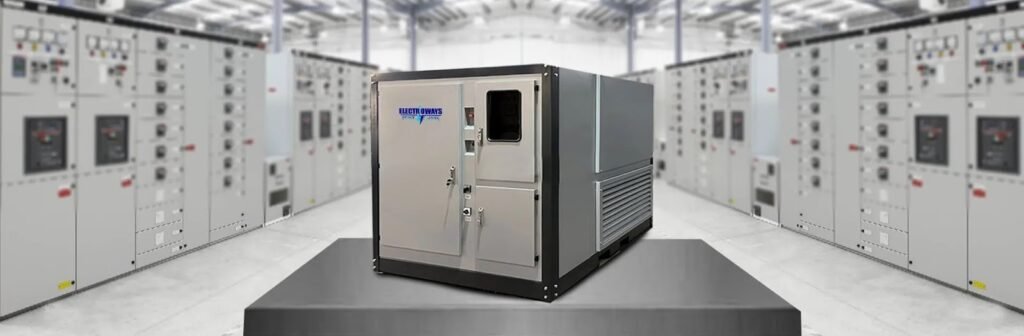
Types of load testing tools help people understand power systems. These tools check how machines work under stress. Load banks are used to create safe test loads. They help find problems early. Power teams use them before real use. This keeps systems safe and strong. Different kinds exist for different needs. Each type has a clear job. Learning their uses helps workers choose wisely. Simple tests can stop big failures later. This knowledge also supports planning and care for teams.
Load Banks Are Used in Power Testing
Power testing checks if systems work the right way. Load banks help make this test fair and safe. They add a controlled load. This shows how power units react. Workers watch heat, flow, and strength. Weak points appear fast. Testing helps stop sudden breakdowns. It also improves trust in the power supply. Regular tests keep equipment ready. This process saves time, money, and effort. It supports planning for growth and long-term safety in many work sites today, everywhere now globally.
1. Reactive Load Banks
Reactive load banks test systems with stored energy flow. They copy motors and coils. These loads act differently from heat loads. Power moves in and out. This shows how systems handle shifts. Testing helps balance power. These banks check current behavior. They are used in complex setups. Skilled teams handle them carefully. Results help tune systems. This improves performance and control. Reactive testing supports real-life use. It helps reduce stress on machines. A good balance keeps parts safe longer. These tests guide smart system design choices for future upgrades and growth plans, which are used widely today across industries worldwide.
2. Resistive Inductive Load Banks
Resistive inductive load banks mix two load types. They combine heat and stored energy tests. This gives a full system view. Power behavior looks more real. These banks test strength and balance together. They help find hidden issues. Many industries use this option. It saves time during testing. One setup does more work. Teams get clear data fast. Systems perform better after testing. This type supports heavy-duty equipment. It helps meet strict work rules. Combined tests improve planning accuracy. Engineers trust results for safe upgrades and smooth operation in large power projects today across many fields with confidence.
3. Portable Load Banks
These are easy-to-move tools. They help test power in many places. Small size makes transport simple. Workers carry them to sites. These banks support quick checks. They save time in the field. Setup is fast and easy. Testing can start soon. Many repair teams use them. They are useful during emergencies. Portable testing helps restore power faster. These banks fit short-term needs well. They support temporary jobs and backup plans. Light design reduces effort and strain. Field crews rely on them daily for safe checks and fast results in busy work areas today, often anywhere.
4. Stationary Load Banks
They stay in one place. They support long-term testing needs. These banks connect to fixed systems. They handle high power levels. Many plants use them daily. They give steady and repeated tests. No moving is needed. This improves safety on-site. They suit large facilities well. Data stays consistent over time. Stationary testing supports routine checks. These banks last for many years. They help plan maintenance cycles better. Fixed setups reduce the risk of damage. Engineers trust stable results for long-term system health and reliable operation in major power plants worldwide today across sectors, always strong and safe.
5. AC Load Banks
These systems power most buildings. The banks copy real power use. They test flow and balance. AC testing checks frequency response. It helps avoid power swings. Many grids need this test. These banks support generators and panels. Results guide system tuning. AC tests improve daily power quality. This keeps the lights and machines running. Reliable AC testing supports safe operations. It helps meet supply rules. Power teams rely on results for smooth delivery and stable output during busy hours across cities and industries worldwide today, with confidence always strong and steady performance ensured fully.
6. DC Load Banks
They test direct current systems. These systems power batteries and chargers. Testing checks steady power flow. DC banks help protect storage units. They show how systems handle drawing. Many backup systems use DC. Testing helps plan safe discharge. It also checks charging behavior. An industrial battery charger depends on stable tests. DC tests reduce failure risk. These banks support clean power systems. Reliable results guide smart decisions. DC testing keeps systems stable. It improves safety during energy use. Engineers trust data for backup planning and the long life of power units used daily in many sites worldwide today, safely.
7. Outdoor Load Banks
These devices work in open spaces. They face sun, wind, and rain. Strong cases protect inner parts. These banks suit harsh areas. Many plants are placed outside. Cooling works with fresh air. Outdoor testing saves indoor space. It also lowers the heat indoors. These banks support large generators. They handle long test hours. Outdoor units are built tough. They keep testing safety outside. They reduce crowding inside buildings. Weather-ready design improves life span. Teams trust them for heavy-duty use in power yards, plants, and remote sites across regions worldwide today, with always strong and reliable performance.
8. Indoor Load Banks
They are quiet and compact. These banks fit small spaces. Vent systems control heat well. Indoor testing protects tools from the weather. Many labs use these banks. They support clean environments. Noise stays low during tests. Indoor units suit short tests. They help train new workers. Testing indoors feels safe and easy. These banks support daily operations. Electroways Pvt Ltd supports testing solutions widely. Indoor setups improve focus and care. Controlled space helps achieve accurate results. Teams trust indoor tests for planning and system checks, which are often used in offices, labs, and plants worldwide today, always safely.
Conclusion
Types of testing tools serve different power needs. Each kind has a clear role. Choosing the right one improves safety. It also improves system life. Load banks help teams test with care. They find problems early. This saves cost and time. Good testing builds trust in the power supply. Learning types and uses help planning. Smart choices lead to strong systems. Reliable testing supports growth and safe work for people and businesses everywhere today, with confidence and stability ensured, always strong.