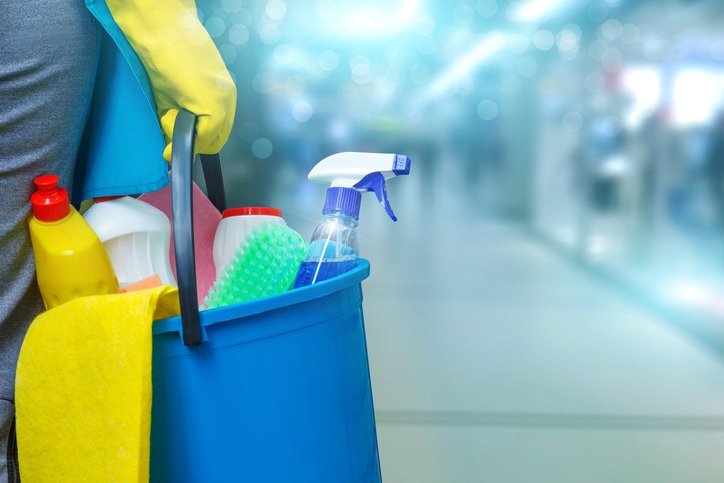
Clean spaces make people feel comfortable, confident, and safe. Whether it’s a hotel lobby, a medical clinic, a school hallway, or an office kitchen, cleanliness shapes first impressions and daily experiences. Yet behind every clean surface is a decision that often goes unnoticed: which cleaning chemicals are being used, and how well they’re understood.
Commercial cleaning used by Cambridge commercial cleaners chemicals are powerful tools. When chosen and used correctly, they deliver reliable results while protecting people, surfaces, and the environment. When misunderstood or misused, they can lead to inefficiency, damage, or unnecessary risk. Understanding how these products work is the key to safer, more effective cleaning across industries.
Why Commercial Cleaning Is Different From Cleaning at Home
Most of us are familiar with household cleaners. We grab a spray, wipe a surface, and move on. Commercial environments, however, are a different story.
In workplaces, hospitality venues, healthcare facilities, and schools, cleaning is more frequent, covers larger areas, and is often conducted under strict standards. Floors see constant foot traffic. Bathrooms are used by hundreds of people. Kitchens must meet hygiene expectations every single day.
Commercial cleaning chemicals are formulated for this reality. They’re designed to work faster, last longer, and handle tougher soils like grease, bacteria, and heavy buildup. But that added strength means they need to be understood and handled properly.
Using the right product for the right task isn’t about being overly technical—it’s about being practical and safe.
The Main Types of Commercial Cleaning Chemicals
Understanding commercial cleaning starts with knowing the basic categories. You don’t need a chemistry degree—just a clear sense of what each product is meant to do.
Detergents are used to remove dirt, grease, and organic matter. They’re common in kitchens, floors, and general surface cleaning.
Disinfectants and sanitizers are designed to reduce harmful microorganisms. These are especially important in healthcare, aged care, food service, and high-touch public areas.
Degreasers tackle heavy oils and fats, often found in commercial kitchens, workshops, and industrial spaces.
Acidic cleaners help remove mineral deposits, rust, and scale—often used in bathrooms and washrooms.
Each category serves a purpose. Problems arise when products are used interchangeably or without understanding. For example, disinfecting a surface without first cleaning it may reduce effectiveness, because dirt can block the chemical from doing its job.
Safety First: Protecting People and Surfaces
One of the biggest advantages of understanding cleaning chemicals is improved safety.
Commercial products are safe when used correctly, but they’re not meant to be handled casually. Labels, dilution instructions, and usage guidelines exist for a reason. Over-concentrating a product doesn’t make it clean better—it often just increases risk.
Think of it like medication. Taking more than the recommended dose doesn’t help you heal faster; it creates problems.
Proper understanding protects:
- Cleaning staff, who work with these products daily
- Building occupants, who use cleaned spaces
- Surfaces and equipment, which can be damaged by incorrect chemicals
This is especially important in environments like healthcare and hospitality, where safety and trust are closely linked to cleanliness. Clear procedures and training go a long way in reducing accidents and improving outcomes.
Consistency Leads to Better Results
Consistency is one of the most overlooked benefits of understanding cleaning chemicals.
When teams know which products to use, how to dilute them, and how long they need to stay on a surface (often called “contact time”), results become more predictable. Floors look the same day after day. Bathrooms stay fresh. Kitchens meet hygiene standards reliably.
Inconsistent use, on the other hand, leads to patchy results. Some areas look spotless while others don’t. This inconsistency often shows up in guest reviews, inspections, or staff feedback.
Clear product knowledge supports smoother operations and helps businesses maintain standards without relying on guesswork.
Real-World Examples Across Industries
Different industries rely on commercial cleaning chemicals in different ways, but the principles remain the same.
In healthcare, proper disinfectants help reduce the spread of infections and protect vulnerable patients.
In hospitality, effective cleaning maintains guest confidence and prevents hygiene-related complaints.
In education, safer products support healthier learning environments for students and staff.
In commercial offices, consistent cleaning improves comfort and professionalism, supporting productivity.
Across all these spaces, cleaning chemicals are part of broader cleaning and sanitation practices that aim to protect public health.
Making Smarter Product Choices
Choosing the right commercial cleaning chemicals isn’t about finding the strongest option—it’s about finding the most appropriate one.
Good product selection considers:
- Surface type (tiles, stainless steel, wood, fabric)
- Level of soil or contamination
- Frequency of cleaning
- Safety for users and occupants
Businesses that take time to understand these factors often reduce waste, save time, and extend the life of their surfaces. They also make training easier, because staff aren’t juggling unnecessary or overlapping products.
If you’re exploring options for professional environments, reviewing collections of best commercial cleaning chemicals can help clarify which work best for different needs.
Supporting Staff With Knowledge and Training
Even the best products won’t deliver good results if people aren’t confident using them.
Training doesn’t need to be complicated. Simple guidance on product purpose, dilution, and safety measures can dramatically improve outcomes. Clear labeling and consistent product use help new staff get up to speed faster and reduce mistakes.
When staff understand why they’re using a particular product, they’re more likely to use it correctly and consistently. That confidence shows in the quality of their work.
Efficiency, Sustainability, and Long-Term Value
Understanding cleaning chemicals also supports sustainability and efficiency.
Using the right product in the right amount reduces overuse and waste. Many commercial products are designed to be concentrated, meaning smaller quantities go further. This reduces packaging, storage, and transport costs.
Over time, smarter use of cleaning chemicals leads to cost savings and a smaller environmental footprint—without sacrificing cleanliness or safety.
Clarity Leads to Cleaner Spaces
Commercial cleaning chemicals don’t need to be mysterious or intimidating. When understood and applied correctly, they become reliable tools that support safer environments, better results, and smoother operations.
For businesses that rely on clean, welcoming spaces, investing time in understanding these products is a practical step with lasting benefits. Cleaner spaces, healthier people, and more confident teams all start with informed choices—one surface at a time.
