Uganda is widely known as the “Pearl of Africa,” and one of its greatest treasures is the unforgettable Uganda Gorilla Safari. Home to nearly half of the world’s remaining mountain gorillas, Uganda offers travelers a rare opportunity to observe these gentle giants in their natural habitat. A gorilla safari in Uganda is not just a wildlife tour—it is an emotional, educational, and life-changing experience that connects visitors deeply with nature.
Why Choose Uganda for Gorilla Safari?
Uganda is one of only three countries in the world where mountain gorillas can be seen in the wild, alongside Rwanda and the Democratic Republic of Congo. What sets Uganda apart is its affordability, diverse landscapes, and rich biodiversity. Gorilla trekking permits in Uganda are generally more budget-friendly, making it an ideal destination for travelers seeking high-quality safari experiences at reasonable costs.
The country’s welcoming culture, professional guides, and well-managed national parks ensure that visitors enjoy a safe and rewarding journey.
Bwindi Impenetrable National Park: The Heart of Gorilla Trekking
The most popular destination for an Uganda Gorilla Safari is Bwindi Impenetrable National Park, a UNESCO World Heritage Site. This ancient rainforest is home to over 20 habituated gorilla families available for trekking. The park’s dense vegetation, mist-covered hills, and diverse wildlife create a magical atmosphere for adventure seekers.
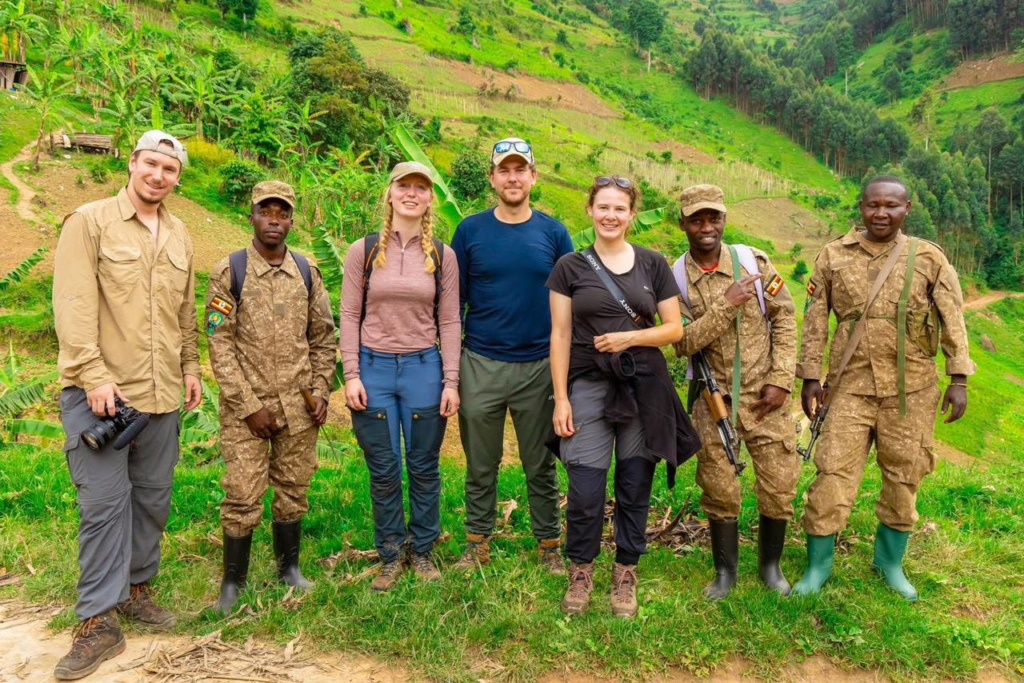
Gorilla trekking in Bwindi typically begins early in the morning with a briefing by experienced park rangers. Visitors are then guided through the forest in small groups until they encounter a gorilla family. Once found, trekkers are allowed to spend one precious hour observing the gorillas as they feed, play, groom, and interact.
The Gorilla Trekking Experience
An Uganda Gorilla Safari requires moderate physical fitness, as trekking can last anywhere from 2 to 6 hours depending on the gorillas’ location. However, the reward is beyond imagination. Standing just a few meters away from a silverback gorilla is a powerful and humbling moment.
Photography is allowed, but flash cameras are prohibited to protect the gorillas. The experience offers incredible opportunities to capture memories while learning about gorilla behavior, conservation efforts, and the challenges facing these endangered species.
Best Time for Uganda Gorilla Safari
Gorilla trekking in Uganda is available throughout the year, but the best time is during the dry seasons, from June to September and December to February. During these months, trails are less muddy, making trekking easier and more comfortable.
The rainy seasons, from March to May and October to November, offer fewer crowds and lush green scenery, which some travelers prefer despite slightly challenging trekking conditions.
Conservation and Responsible Tourism
Uganda Gorilla Safaris play a vital role in wildlife conservation. A significant portion of permit fees goes toward protecting gorillas, supporting local communities, and maintaining national parks. Responsible tourism helps ensure that gorillas and their habitats are preserved for future generations.
Visitors are required to follow strict rules, such as maintaining a safe distance from gorillas, avoiding trekking when sick, and respecting ranger instructions. These measures help minimize human impact and protect the health of the gorillas.
Beyond Gorillas: More to Explore in Uganda
While gorilla trekking is the highlight, Uganda offers much more. Visitors can combine their Uganda Gorilla Safari with game drives in Queen Elizabeth National Park, chimpanzee tracking in Kibale Forest, boat cruises on the Kazinga Channel, or cultural tours in local villages.
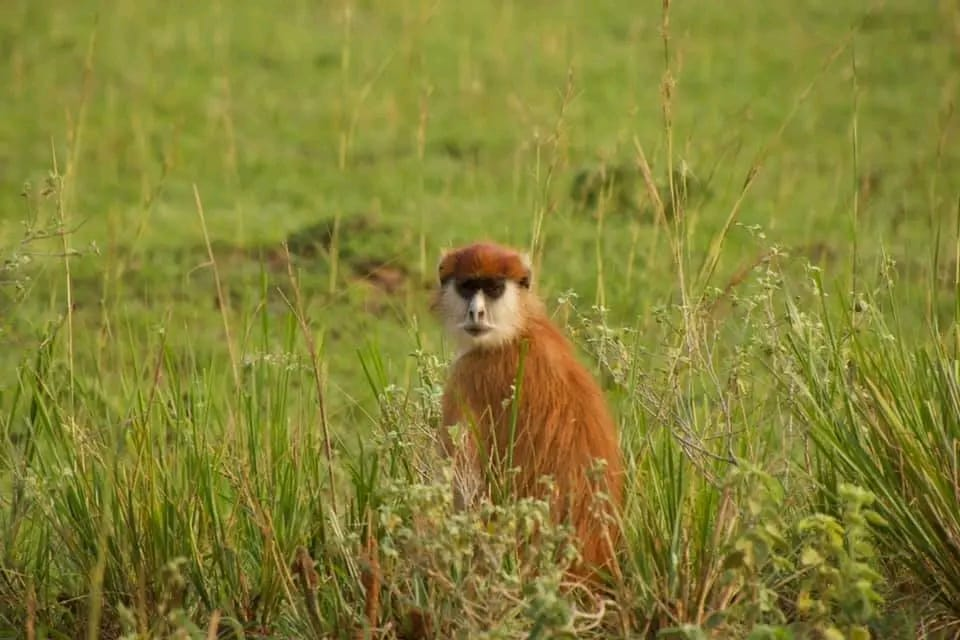
Uganda’s diverse wildlife includes lions, elephants, buffaloes, giraffes, and hundreds of bird species, making it a complete safari destination.
Planning Your Uganda Gorilla Safari
To enjoy a smooth experience, it is recommended to book gorilla permits and safari packages in advance, especially during peak seasons. Tour operators typically offer packages ranging from 3 to 10 days, including accommodation, transportation, meals, and guided activities.
Travelers should pack comfortable hiking boots, rain jackets, gloves, long trousers, and insect repellent. Hiring a local porter is optional but highly recommended, as it supports local livelihoods and makes trekking easier.