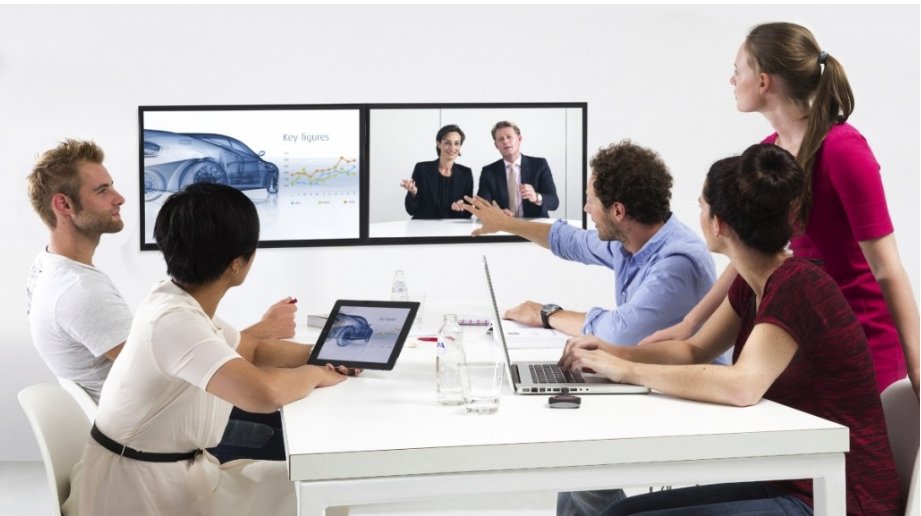
We have all been there. You walk into a conference room, coffee in hand, ready to brainstorm the next big project. But instead of diving into ideas, the first fifteen minutes are spent fumbling with cables, trying to get the screen to share, or asking the remote team, “Can you hear us now?”
Nothing kills creative momentum faster than technical difficulties.
In a business landscape where teams are often split between the office and home, the ability to communicate seamlessly isn’t just a luxury—it’s a necessity. This is where high-quality Commercial Audio Visual systems step in. They don’t just amplify sound or project images; they bridge the gap between presence and productivity.
How do AV systems impact collaboration?
Collaboration relies on connection. When you can’t see a colleague’s facial expression or hear the nuance in their tone, misunderstandings happen. A grainy video feed or a drop in audio quality forces participants to focus on the medium rather than the message.
Modern AV technology removes these barriers. High-definition video conferencing cameras with auto-tracking ensure that the speaker is always in focus, making remote participants feel like they are actually in the room. Interactive displays turn a passive presentation into an active working session, allowing team members to annotate documents in real-time, regardless of their physical location.
When the technology works effortlessly, the technology disappears. The team stops worrying about the connection and starts focusing on the work.
Enhancing meeting efficiency with AV technology
Time is perhaps the most expensive resource in any organization. If every meeting starts ten minutes late due to tech issues, the cumulative loss of productivity across a year is staggering.
Commercial Audio Visual solutions are designed to streamline these interactions. Features like “one-touch start” integrate directly with your calendar system. You walk in, tap a button on a touch panel, and the camera, microphone, and display launch instantly. Wireless presentation systems eliminate the hunt for the right dongle or HDMI cable, allowing anyone to cast their screen from a laptop or phone in seconds.
Consider the difference in flow. In a standard setup, switching presenters might take awkward minutes of cable swapping. In a fully integrated smart room, it takes seconds. This fluidity keeps energy levels high and ensures meetings end on time, leaving employees more satisfied and less fatigued.
How to choose the right AV system
Not every room needs a wall-to-wall LED display or cinema-quality surround sound. Selecting the right system depends entirely on how your team works.
Assess your space and needs
A huddle room for three people requires different tech than a town hall auditorium. For smaller spaces, an all-in-one soundbar with a built-in camera might suffice. For larger boardrooms, you may need ceiling microphones and multiple displays to ensure everyone is seen and heard.
The importance of professional installation
Buying the hardware is only half the battle. The placement of microphones, the calibration of speakers, and the integration of software are what make the system usable. This is why professional audio video installation is critical.
A professional installer understands acoustics and lighting. They know how to route cables so they are invisible and how to program control panels so they are intuitive. Poor installation can make even the most expensive equipment perform poorly. Investing in expert audio video installation ensures that your system works reliably every single time.
Future trends in commercial AV
The workplace is evolving, and so is the technology that supports it. We are moving toward even more immersive environments.
Artificial Intelligence is playing a larger role. AI-powered cameras are getting smarter at framing shots, while AI audio processing can now isolate voices and mute background noise—like typing or crinkling paper—automatically. We are also seeing the rise of “intelligent meeting assistants” that can transcribe conversations and generate summaries, allowing participants to focus on the discussion rather than note-taking.
Why you should upgrade your infrastructure
Investing in robust Commercial Audio Visual systems is an investment in your company’s culture. When meetings run smoothly, frustration goes down, and engagement goes up. Teams feel more connected, ideas flow more freely, and decisions are made faster.
If your current setup is causing more headaches than breakthroughs, it might be time to look into a professional audio video installation. The right tools don’t just make meetings easier; they make them matter.