As the world becomes ever more interconnected, the importance of robust cybersecurity measures continues to escalate. With the dawn of quantum computing, many are questioning how current systems will withstand the potential threats posed by these powerful technologies. Quantum computing promises exponential increases in computational power, which could revolutionize fields like data analysis, artificial intelligence, and cryptography. However, this leap forward also poses significant challenges for maintaining data security and integrity. Understanding the potential threats associated with quantum computing, alongside advancements in cybersecurity, is crucial for businesses and individuals who seek to protect sensitive information.
THE QUANTUM COMPUTING REVOLUTION
Quantum computing is no longer a distant concept but a burgeoning reality. Unlike classical computers that use bits as the smallest unit of data, quantum computers utilize qubits, which can represent and store information in multiple states simultaneously. This unique capability allows quantum computers to solve complex problems much more efficiently than today’s most advanced supercomputers.
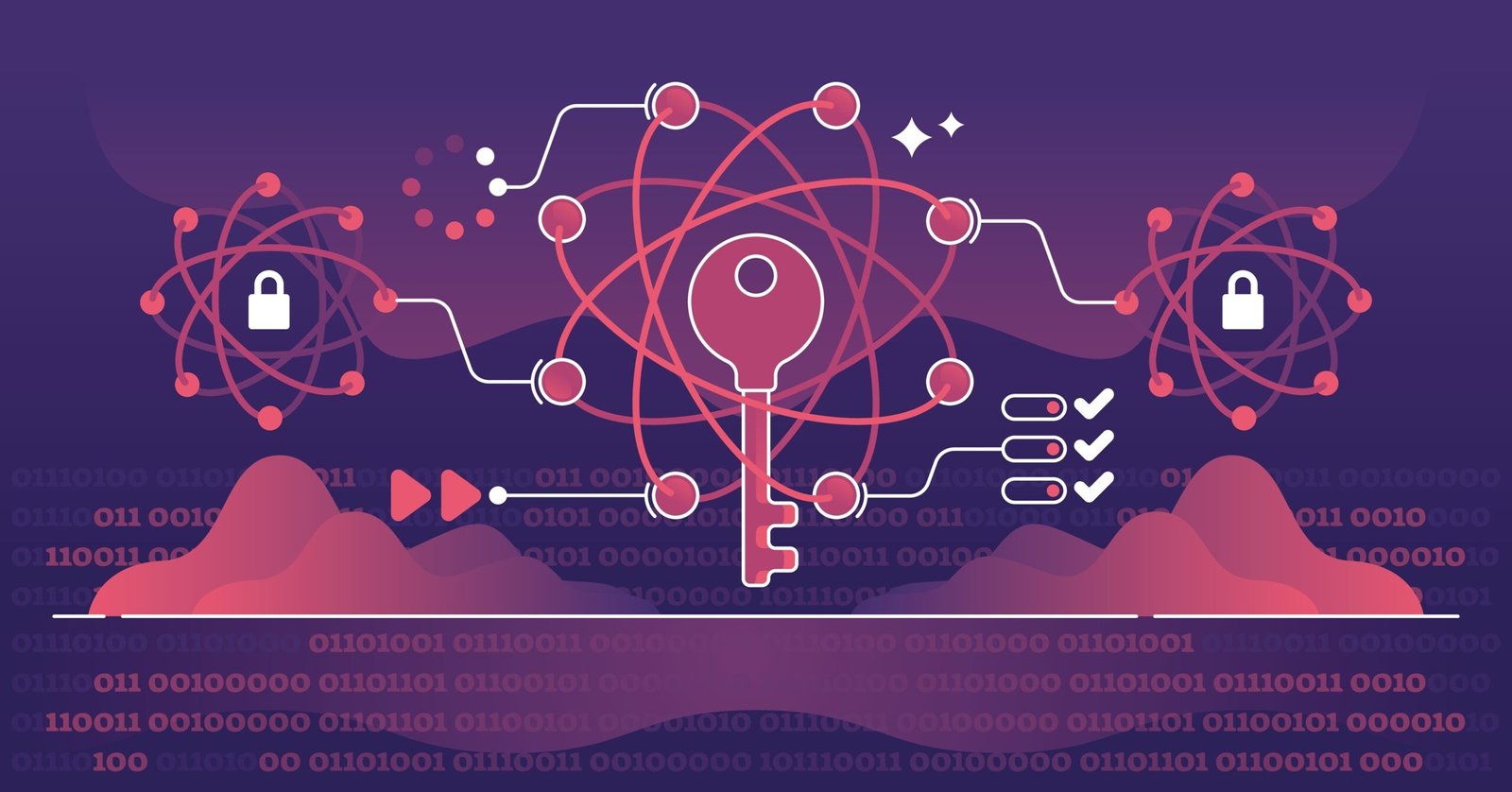
The potential applications of quantum computing are diverse, spanning industries such as pharmaceuticals, logistics, and financial services. However, the same abilities that make quantum computers so powerful also pose severe cybersecurity risks. Specifically, the enhanced processing capabilities threaten the current encryption standards that underpin the security of digital communications. For instance, public key cryptography, which secures everything from online banking transactions to confidential emails, could be rendered obsolete if quantum algorithms advance unchecked.
PENETRATION TESTING SERVICES: A VITAL COMPONENT IN A POST-QUANTUM WORLD
In anticipation of quantum computing’s impact, businesses are increasingly turning to penetration testing services. These services are instrumental in identifying vulnerabilities within an organization’s cybersecurity infrastructure. By simulating cyberattacks, penetration testing helps organizations gauge the robustness of their systems against current and emerging threats. As quantum computing grows more accessible, these services will become even more essential in adapting and fortifying security protocols.
With quantum computing threatening to undermine traditional cryptographic methods, the focus will shift towards developing quantum-resistant algorithms and increased reliance on penetration testing. This proactive approach enables organizations to stay one step ahead, identifying vulnerabilities before malicious actors can exploit them. As emerging threats continue to evolve, businesses that invest in regular penetration testing will be better prepared to protect their critical assets.
THE FUTURE OF ENCRYPTION
The surge towards new cryptographic techniques is inevitable as quantum computing comes into its own. Researchers are dedicatedly working on quantum-resistant algorithms to counteract the potential threats posed by quantum advances. These algorithms aim to provide the same level of security reliability currently enjoyed through classical methods. One approach being explored is lattice-based cryptography, which has shown promising potential due to its scalability and robust security features against quantum attacks.
Quantum-proof encryption represents a pivotal development in the quest to secure data in the quantum era. Implementing these emerging encryption standards will require global coordination among governments, tech companies, and the cybersecurity industry to ensure a universally recognized security framework. As organizations transition to quantum-ready standards, they will need to overhaul their existing systems, which involves significant logistical and financial investment, but offers the assurance of maintaining data integrity in a rapidly evolving digital landscape.
THE ROLE OF AI IN ENHANCING SECURITY
Artificial Intelligence (AI) plays a crucial role in counterbalancing the threats posed by quantum computing. AI can be leveraged for identifying, predicting, and neutralizing cybersecurity threats in real-time. Machine learning algorithms, a subset of AI, can analyze and interpret vast amounts of data, effectively identifying patterns that could indicate malicious activity. Through automation and pattern recognition, AI can help to mitigate risks faster than traditional human-led approaches.
Moreover, AI-driven cybersecurity solutions can adapt dynamically to the ever-changing threat landscape, offering organizations the agility required to respond effectively to new and unforeseen challenges. This ongoing interaction between AI and quantum computing highlights a future where technology both presents challenges and solutions, continually redefining the boundaries of cybersecurity capabilities.
EDUCATING AND PREPARING WORKFORCES
As the technology landscape evolves, so does the necessity for continuous workforce education and preparedness. Companies must invest in training programs to equip their employees with the knowledge and skills required to handle new technological tools and threats. Enhancing individuals’ understanding of cybersecurity basics and the potential impacts of quantum computing ensures a more resilient defense against threats.
Corporate leadership must prioritize the integration of ongoing education and development programs within their organizations. By fostering a culture of cybersecurity awareness at every organizational level, companies can mitigate risks and develop internal processes that account for both current and upcoming technological advancements. As employees become more adept at recognizing and responding to threats, their proactive engagement in cybersecurity practices will significantly fortify an organization’s overall security posture.
GOVERNMENT AND POLICYMAKER INVOLVEMENT
Governments and policymakers have an essential role to play in advancing cybersecurity measures to combat the rising quantum threat. Developing and enforcing comprehensive cybersecurity regulations and standards is crucial in establishing widespread resilience across industries. Governments must also focus on collaboration with the private sectors, driving initiatives that promote transparency, information sharing, and collective defenses.
As threats become more sophisticated, regulatory bodies ought to encourage and possibly mandate the adoption of quantum-resistant algorithms within national security and critical infrastructure sectors. Such policies will ensure a harmonized and coherent approach to addressing cybersecurity threats, thus establishing stronger defenses on both a local and global scale.
THE SHIFT TOWARD CLOUD AND DECENTRALIZED SYSTEMS
The movement toward cloud-based solutions and decentralized systems is shaping the future of secure data management. Cloud computing provides an agile and cost-effective platform for deploying security measures on a large scale. By leveraging cloud solutions, organizations can benefit from scalable cybersecurity infrastructures capable of quickly adapting to new threats, including those posed by quantum technologies.
Meanwhile, decentralized systems—like blockchain technologies—offer an innovative means of improving data security and transparency. These technologies are less prone to the weaknesses found in centralized systems and provide robust, immutable frameworks for transaction validation and data storage. As AI becomes increasingly embedded in both cloud and decentralized environments, the ability to interact with these systems through precise engineering prompts is emerging as a critical skill—enabling clearer control, more accurate outputs, and safer automation in next-generation security architectures. The integration of cloud and decentralized systems represents a growing trend toward improving cybersecurity efficacy in the face of an evolving threat landscape.
COLLABORATION IN THE CYBERSECURITY ECOSYSTEM
Given the continuously evolving threat environment, fostering collaboration across the cybersecurity ecosystem is a strategic necessity. Information sharing, best practices, and technological advancements benefit all sectors, creating a unified front against emerging threats. Cybersecurity alliances can strengthen collective capabilities, catalyzing innovation and providing coordinated responses to threats that transcend geographical boundaries.
Engaging with industry groups, international forums, and academic institutions drives collaborative efforts to develop and refine cybersecurity measures. As quantum computing reshapes the digital world, these partnerships will prove vital for maintaining shared security objectives. By working together, organizations can leverage a wealth of resources and expertise to tackle cybersecurity challenges with greater resilience and ensure a safer digital future.
ETHICS AND PRIVACY IN THE QUANTUM AGE
As quantum computing ushers in a technological revolution, ethical considerations must remain at the forefront of development. Maintaining a balance between technological advancement and personal privacy is critical. Ensuring ethical standards guide quantum computing applications will be vital for safeguarding individual rights and preventing misuse of technology.
Privacy concerns are likely to intensify as quantum capabilities grow, necessitating reassessments of current privacy frameworks to meet new challenges. Developers and regulatory bodies will need to work symbiotically to ensure quantum technologies enhance, rather than erode, data privacy. By prioritizing ethical considerations, society can embrace the benefits of quantum computing while mitigating the risks associated with its misuse.
CONCLUSION
In conclusion, quantum computing presents both extraordinary opportunities and formidable challenges for the future of cybersecurity. Its potential to crack existing encryption methods calls for robust responses, including the development of quantum-resistant algorithms and increased emphasis on cybersecurity practices like penetration testing services. As the landscape continues to evolve, leveraging advances in AI and fostering collaboration across sectors will be essential. Organizations, governments, and society at large must adapt and prepare for the quantum age to secure digital infrastructures and protect sensitive information amidst ever-changing threats.