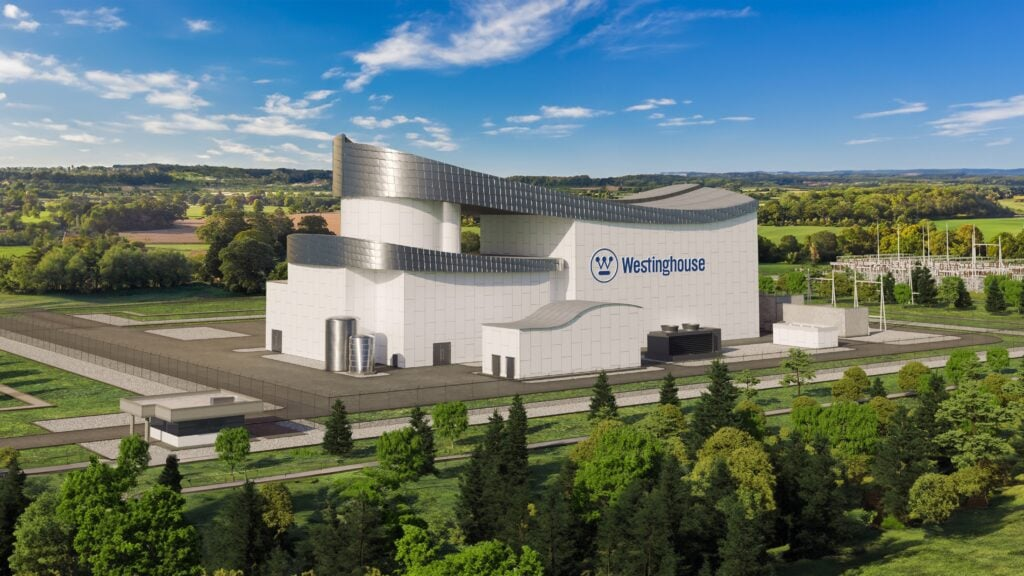
The United States is entering a new era of clean power innovation, and nuclear startups are at the center of this transformation. Once dominated by massive, centralized power plants, the nuclear industry is now being reshaped by smaller, more flexible technologies known as nuclear microreactors and Small Modular Reactors (SMRs). Across the country, entrepreneurs, engineers, and energy investors are driving a surge in nuclear energy news, signaling renewed confidence in nuclear power as a cornerstone of America’s future energy mix.
As climate concerns grow, electricity demand rises, and energy security becomes a national priority, the U.S. is turning to next-generation nuclear solutions. This shift is creating a powerful wave of nuclear startup news, positioning microreactors and SMRs as practical, scalable, and reliable options for American communities and industries.
Why Nuclear Energy Is Back in the U.S. Spotlight
For decades, nuclear energy supplied reliable baseload power to millions of Americans. However, high costs, long construction timelines, and public concerns slowed growth. Today, those challenges are being addressed through innovation.
Modern nuclear energy news increasingly highlights the role of advanced reactor designs that are safer, smaller, and faster to deploy. Unlike traditional reactors, SMRs and microreactors can be built in factories, transported to sites, and installed with significantly lower upfront costs. For the United States—where aging infrastructure, grid resilience, and clean energy goals are critical—these technologies offer compelling solutions.
The Emergence of Nuclear Startups in America
The rise of the nuclear startup ecosystem is one of the most important trends in the U.S. energy sector. Startups are bringing Silicon Valley-style innovation to an industry once known for slow progress.
Across the country, nuclear startups are focused on:
- Advanced reactor designs
- Improved fuel efficiency
- Enhanced safety systems
- Faster licensing and deployment processes
This surge in nuclear startup news reflects growing support from federal agencies, private investors, and energy utilities. The U.S. government has also recognized the strategic importance of nuclear innovation, providing grants and research partnerships that help startups move from concept to reality.
Understanding Nuclear Microreactors
Among the most exciting developments in microreactor news is the rise of ultra-small nuclear systems capable of producing anywhere from 1 to 20 megawatts of electricity. Nuclear microreactors are designed for maximum flexibility and minimal footprint, making them ideal for remote locations, military bases, data centers, and disaster-prone regions.
Key advantages of nuclear microreactors include:
- Long operational life without refueling
- High safety through passive cooling systems
- Ability to operate independently from the main grid
- Reduced carbon emissions compared to fossil fuels
For rural America and underserved regions, microreactors could provide reliable power where traditional energy infrastructure is limited or expensive.
SMRs: A Game-Changer for the U.S. Power Grid
Small Modular Reactors (SMRs) represent the bridge between traditional nuclear plants and microreactors. Typically producing up to 300 megawatts, SMRs are scalable, allowing utilities to add capacity as demand grows.
SMRs are especially attractive to the U.S. market because they:
- Lower financial risk through modular construction
- Enhance safety with simplified designs
- Integrate easily with renewable energy sources
- Support grid stability during peak demand
Much of today’s nuclear energy news focuses on SMRs as a critical tool for achieving America’s clean energy targets without sacrificing reliability.
Economic Impact on American Communities
The expansion of nuclear startups is not just about power generation—it’s also about economic growth. Across the United States, new nuclear projects are creating high-paying jobs in engineering, manufacturing, construction, and operations.
By investing in nuclear microreactors and SMRs, local economies benefit from:
- Skilled workforce development
- Long-term infrastructure investment
- Revitalization of industrial regions
- Increased energy independence
This economic ripple effect makes nuclear startups especially attractive to U.S. policymakers focused on domestic manufacturing and energy security.
Safety and Public Confidence in Modern Nuclear Technology
One of the biggest shifts in nuclear startup news is the emphasis on safety and transparency. Modern reactors are designed with passive safety features that rely on natural physical laws rather than human intervention or external power sources.
For the American public, this means:
- Reduced risk of accidents
- Smaller exclusion zones
- Improved emergency planning
- Clearer communication from operators
As public understanding grows, acceptance of advanced nuclear technologies is steadily increasing across the United States.
Nuclear Startups and Clean Energy Goals
The U.S. aims to reduce greenhouse gas emissions while meeting rising electricity demand from electric vehicles, artificial intelligence, and industrial electrification. Renewable sources alone cannot always provide consistent power, which is where nuclear startups play a critical role.
By combining SMRs, nuclear microreactors, wind, and solar, the U.S. can build a resilient and low-carbon energy system. This integrated approach is frequently highlighted in nuclear energy news as a realistic path toward long-term sustainability.
Challenges Facing U.S. Nuclear Startups
Despite strong momentum, challenges remain. Regulatory approval, public perception, and supply chain limitations can slow progress. However, many nuclear startups are actively working with U.S. regulators to streamline licensing without compromising safety.
Ongoing collaboration between startups, utilities, and federal agencies continues to dominate nuclear startup news, signaling confidence that these obstacles can be overcome.
The Future of Nuclear Energy in the United States
Looking ahead, the future of American nuclear power is increasingly decentralized, flexible, and innovative. Nuclear microreactors may power remote communities and military installations, while SMRs strengthen regional grids and replace retiring coal plants.
As investment and innovation accelerate, the U.S. is positioned to lead the global nuclear renaissance. The continued rise of nuclear startups ensures that America’s energy future will be cleaner, more secure, and more resilient.
Conclusion
The rise of nuclear startups marks a turning point in U.S. energy history. With groundbreaking advances in microreactor news, nuclear microreactors, and SMRs, the United States is redefining what nuclear power looks like in the 21st century. As nuclear energy news continues to spotlight innovation and progress, one thing is clear: nuclear startups are shaping an energy future that aligns with America’s economic, environmental, and security goals.