Key Takeaways:
- Consider long-term function and durability of the restoration.
- Comfort and a natural feel are essential when eating, speaking, and smiling.
- Maintenance requirements and ease of daily oral hygiene are important considerations.
- Impact on adjacent teeth and natural tooth preservation is critical.
- Jawbone health and facial structure maintenance influence overall outcomes.
- Evaluate cost-effectiveness over the lifespan of the restoration.
- Oral health, confidence, and quality of life improve with the right choice.
Introduction to Mini Dental Implants
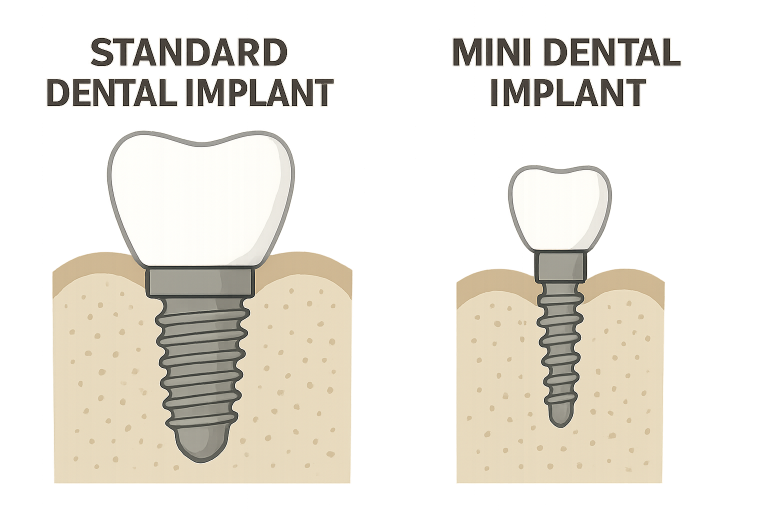
Mini dental implants (MDIs) have emerged as a valuable alternative to standard dental implants, particularly for patients who may not be eligible for traditional solutions due to bone density or anatomical limitations. Unlike conventional implants, MDIs are less than 3mm in diameter and function as a single-piece titanium screw topped with a ball-shaped end, which secures various dental prosthetics. They enable less invasive placement and can provide fast and cost-effective tooth replacement for appropriate candidates. Dental implants Minneapolis MN are a popular choice for individuals interested in minimally invasive options that restore function and aesthetics with fewer complications.
The use of MDIs is especially advantageous in cases where patients require stability for dentures or bridges, or when they are unable to undergo bone grafting. The quicker healing times, affordability, and immediate-use potential of mini implants make them a compelling option for those looking to streamline their dental treatment journey. Thanks to advancements in dental technology, MDIs offer hope for improved oral health and quality of life, addressing needs previously unmet by traditional techniques.
Advantages of Mini Dental Implants
- Less Invasive Procedure: Mini dental implants are placed using minimally invasive surgery techniques. Most procedures require only local anesthesia and minimal soft tissue disruption, resulting in less postoperative discomfort, fewer complications, and a faster return to daily activities compared to conventional implants.
- Immediate Functionality: One of the most significant advantages of MDIs is that patients often leave the dental office with prosthetic teeth attached the same day. This rapid timeline enables immediate improvement in speech, appearance, and dental function, thereby elevating patient satisfaction almost instantly.
- Cost-Effective Solution: The simplified surgical process, reduced material costs, and elimination of additional procedures, such as bone grafts, make mini dental implants a more affordable treatment option. This is particularly important for patients on a budget or those who need widespread dental restoration.
Common Applications of Mini Dental Implants
Mini dental implants are used primarily in scenarios where larger, traditional implants may not be recommended or practical. A major indication is in the stabilization of dentures, especially lower dentures that may slip or move. MDIs anchor dentures securely, offering peace of mind during eating, laughing, and speaking. This application is life-changing for many patients who previously struggled with ill-fitting false teeth.
- Denture Stabilization: Four to six MDIs can secure a lower denture, substantially reducing movement and discomfort.
- Limited Bone Structure: In patients with insufficient bone height or width who do not want or cannot tolerate bone grafting, MDIs offer a straightforward solution for retaining single crowns or multi-tooth bridges.
- Temporary Solutions: MDIs occasionally serve as interim implants, supporting temporary prosthetics during the healing phase of more extensive implant treatments.
These flexible options offer hope and a higher quality of life for patients who have previously been told they weren’t candidates for dental implants.
Considerations and Limitations
Although MDIs offer a minimally invasive, cost-effective option, several limitations and considerations need to be addressed before moving forward. First, their slender diameter means reduced strength compared to standard implants. As a result, they are not typically suitable for replacing molars or teeth exposed to high chewing forces. Durability may be less for MDIs, and fractures or loosening can occur if they’re overloaded or improperly placed.
- Reduced Durability: Patients who clench or grind their teeth may experience lower MDI longevity due to higher bite forces.
- Specific Indications: Dental professionals must carefully screen patients and indications, since MDIs are not a viable replacement for all missing teeth or for individuals with severe prosthetic demands.
- Potential Complications: Like all dental procedures, MDIs carry a risk of infection, implant failure, nerve involvement, or improper integration with the bone. Proper diagnosis, planning, and skillful placement are essential to minimize risks and achieve successful outcomes.
The complexity and possible complications underscore the necessity of consulting a qualified practitioner for proper assessment—a critical part of holistic patient care.
Success Rates and Patient Satisfaction
When used in the right circumstances, MDIs demonstrate high levels of clinical success and patient satisfaction. Long-term studies demonstrate that mini dental implants, although less robust than traditional counterparts, achieve a success rate of over 90% in many patient populations. A recent review of the literature cited an average success rate of 95.63% for MDIs, underscoring their predictability when properly planned and placed.
Patient feedback consistently spotlights satisfaction with esthetics, comfort, and function—particularly for users whose primary concern is denture stability or for those seeking to restore one or two teeth in challenging anatomical settings. By minimizing pain and downtime, MDIs contribute to improved quality-of-life outcomes.
Final Thoughts
Mini dental implants are a breakthrough in modern dentistry—a less invasive, budget-friendly solution for patients with specific dental needs. Their greatest strengths are simplicity, immediate-use potential, and suitability for challenging anatomical cases. However, thorough evaluation and individualized planning by a skilled dental professional remain essential for achieving the highest degree of treatment success. Anyone considering mini dental implants should have a detailed consultation to determine their candidacy and receive a tailored treatment plan.