Human body requires a constant provision of nutrients to generate energy, re-form tissues, and other crucial secretions. Each meal triggers a complicated process of mechanic and chemical reactions that enable food to be decomposed into useful contents. Digestion, as this process is called, is a coordinated system of working of various organs. The relationship between the body and the food consumed can also be explained by understanding how the body processes food, which ultimately leads to our understanding of the relationship between diet, metabolism, gut health, and our well-being.
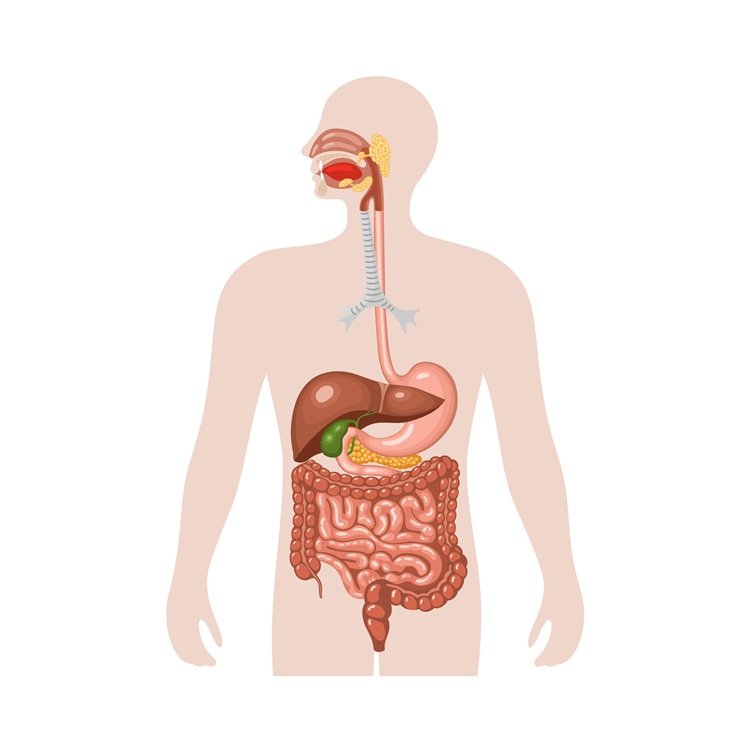
The stomach is not the only place where digestion takes place. Rather, it commences upon food passing through the mouth and travels down the esophagus, the stomach, the intestines and the accessory organs including the liver and the pancreas. Every organ has a particular function in digestion and absorption of food and also waste. With the effective operation of the digestive system, the body gets the fuel that it requires to run without any problems. In case it is not, issues like nutrient deficiencies, fatigue, digestive discomfort, and chronic disease can be observed.
The article takes one through the digestive system bit by bit, and how food is converted into nutrients that nourish the cells, and waste products carried out of the body safely.
Introduction to the Digestive System
The gastrointestinal tract is a long and sustained tube of the digestive tract aided by some accessory organs that secrete enzymes and bile. All these parts work together to, first, mechanically break down food, then, to be digested with the help of chemicals, absorbed into the bloodstream, and then, it is eliminated as waste
The digestive tract consists of mouth, esophagus, stomach, small intestine and large intestine. The liver, pancreas, and gallbladder help in the digestion process where they generate chemicals that aid in the breaking down of fat, proteins, and carbohydrates. Even though digestion is a process commonly believed to be one, it is made up of a number of different processes, which take place in various organs.
These phases involve ingestion, propulsion, digestion, absorption and elimination. Every step is based on the accurate muscular movements, the activity of enzymes, and hormonal signals. Depending on the kind of food to be eaten, energy requirement of the body and general health, the digestive system keeps on adapting.
The process of digestion starts in the mouth
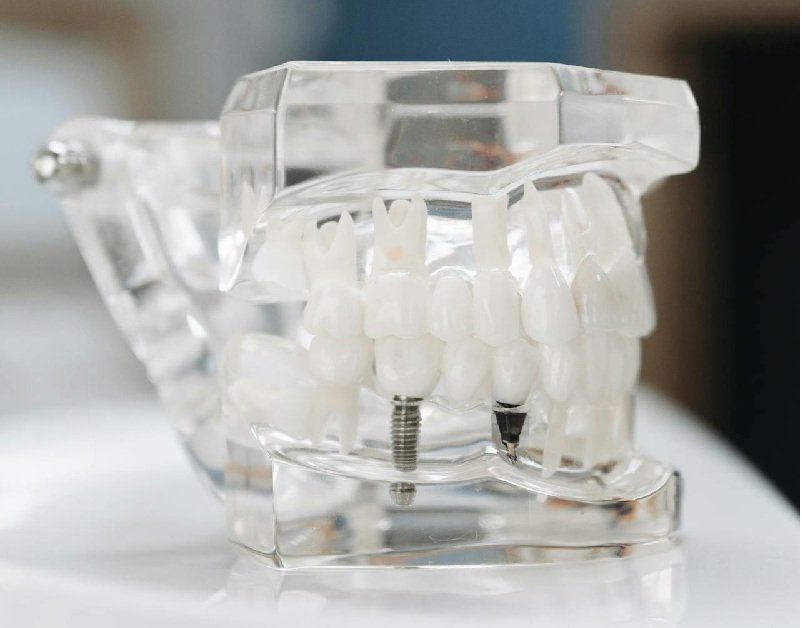
Digestion begins when one eats something into the mouth. Mastication or chewing is a mechanical process that cuts food into smaller bits and it exposes more of the food to the activity of enzymes in the future. The teeth grind and slice food and the tongue moves it around and forms it into a soft mass known as bolus that can easily be swallowed.
At this initial stage, saliva is very important. Saliva is released in the salivary glands and it consists of water, mucus and digestive enzymes. Amylase is one of the most significant salivary enzymes that start to decompose carbohydrates to simpler sugars. Saliva also moisturizes food; it is easy to swallow and it coats the lining of the digestive system.
Even though the digestive process does not last too long in the mouth, it preconditions the following processes. Adequate chewing enhances digestion besides making the duty of the stomach and intestines easier.
The Esophagus: Food Conveyance to the stomach
After the food is swallowed, it passes on to the esophagus which is a muscular passage that links the throat of the mouth with the stomach. Peristalsis or rhythmic muscular contractions helps to move the food along the esophagus. These oscillatory movements move the bolus downwards, irrespective of position in the body.
A valve that ensures the lower part of the esophagus is muscular and is known as lower esophageal sphincter. This sphincter opens to accept food in the stomach and closes in order to ensure that the contents of the stomach do not flow back. In the event of the failure of this mechanism, the acid reflux might be observed, which makes people uncomfortable and irritated.
The esophagus does not digest, but it is an important transportation route, which allows the food to reach the stomach in an efficient and safe manner.
Mechanical and Chemical Breakdown in The Stomach
The stomach is a hollow muscular organ, which is at the center of digestion. When food is received into the stomach, it is combined with gastric juices which are made up of hydrochloric acid and digestive enzymes. These compounds are useful in the decomposition of proteins and in the killing of harmful microorganisms that could be available in food.
The muscular walls of the stomach are vigorous in contracting and the food is churned by the stomach into a thick semi liquid blend referred to as chyme. This is a mechanical process in conjunction with chemical digestion which makes sure that food is completely digested before it is passed to the small intestine.
The hydrochloric acid forms a very acidic environment that stimulates the pepsin, an enzyme that breaks down proteins into smaller peptides. This rough environment notwithstanding, stomach lining is covered by a thick coating of mucus that does not allow self-digestion.
Food does not go through the stomach immediately. It is, however, absorbed slowly into the small intestine via the pyloric sphincter. This slow absorption enables the intestines to efficiently digest and receive nutrients.
The Small Intestine: Digestion and Absorption of Nutrients
The digestion and absorption of nutrients majorly occur in the small intestine. It is called small, but is really the longest tract of the digestive tract, it being about 20 feet in length. It is subdivided into three parts which include the duodenum, jejunum and ileum.
Chyme is combined with liver bile in the duodenum and mixed with pancreatic digestive enzymes. Bile assists in the emulsifying process of fats causing them to be broken down into smaller droplets to which enzymes are able to perform their duty more efficiently. Carbohydrates, proteins and fats are broken down into their simplest forms by enzymes secreted in the pancreas.
The small intestine lining is specifically designed to be absorbed. It has millions of small finger-like extensions known as villi which enhance surface area further. Within the villus there are also smaller structures referred to as microvilli that make a brush border which is used to optimize nutrient nourishment.
Vitamins, minerals, amino acids, fatty acids, minerals and simple sugars are absorbed through the intestinal wall into the blood stream or lymphatic system. There, the nutrients are carried to the cells all over the body where they are utilized to provide energy, improve growth, repair and regulate the body.
Small intestine absorption is necessary to maintain energy levels, to support immune functioning, and to support the general health.
The Liver: Digestion and Detoxification
Liver is one of the vital organs that are involved in digestion and metabolism. It secretes bile, a compound that assists in breaking down fats to small particles. When a person eats fatty food, the bile that is stored in the gallbladder is discharged into the small intestine.
Along with the production of bile, the liver digests small intestinal nutrients. It breaks down glucose into glycogen to be stored, adjusts the amino acids, and controls cholesterol. Liver also cleanses unhealthy substances, it breaks down drugs, alcohol and waste materials which are then safely washed away.
Since, the entire blood leaving the digestive system is filtered through the liver first, this organ is a critical checkpoint whereby, before other body parts, nutrients are correctly processed.
Pancreas: The Production of Enzymes and Hormones
Pancreas has digestive and endocrine purposes. During digestion, it secrets enzymes into the small intestine, which have the ability to decompose carbohydrates, proteins, and fats. These enzymes play a critical role in the accomplishment of the chemical digestion that started in the stomach.
The other hormones produced by the pancreas include insulin and glucagon that help to regulate the level of sugar in the blood. Insulin assists the cells to take glucose in form of energy or storage after a meal. Given a decrease in the blood sugar level, glucagon triggers the liver to produce the stored glucose.
This duality brings to fore the significance of the pancreas in connecting digestion to metabolism. When the pancreas is functioning properly, then the nutrients are digested, and they get into the body efficiently.
The Large Intestine: Water Extraction and Waste Development
Once the nutrients have been absorbed in the small intestine, the rest of the material gets into the large intestine otherwise referred to as the colon. The major activity of the large intestine is the absorption of water and electrolytes which converts liquid waste into solid faeces.
The intestine harbors trillions of good bacteria that are important in the health of the gut. These microorganisms assist in fermenting undigestible fibers, synthesis of some vitamins and in immune response. A normal proportion of gut bacteria helps in the effective digestion and wellbeing.
Water is absorbed, waste becomes compact and it is stored in the rectum until it is expelled out of the body through defecation. This is the last phase of the digestion process.
Elimination: Getting rid of Waste in the Body
The last digestion process is elimination. When the waste gets to the rectum, the stretch receptors inform the nervous system, which produces the desire to defecate. Through the anus, the body gets rid of waste through muscular contractions.
Elimination is little known but it is vital in prevention of toxin accumulation and digestive system health. Abnormal elimination may cause pain, bloat, and other malfunctions.
How Digestion Assists Metabolism
Metabolism and digestion are closely related to each other. Digestion disintegrates food into nutrients and metabolism is the chemical reactions which consume nutrients to provide energy, growth and repair. The carbohydrates are transformed into glucose, fats into fatty acids and proteins into amino acids, which are all used in fueling the cells.
An efficient digestive system is what guarantees efficient metabolism. Even when food intake is sufficient, poor digestion may result in deficiencies in nutrients, fatigue, and the poor functioning of the body organs.
Why Balanced Diet is Beneficial
The balanced diet is beneficial to all the digestive processes. Fiber enhances a smooth flow of bowel, and it nurtures the healthy gut bacteria. Proteins are source of essential amino acids in repairing tissues. Good fats are helpful in hormone formation and absorption of nutrients. The vitamins and minerals control the enzymatic reactions in the body.
Inadequate dietary habits may cause overload to the digestive system and thus cause inflammation, slow digestion and chronic health issues. The digestive system is an organ that should be understood to support the significance of being mindful and balanced with nutrition.
Conclusion
The digestive system is a very complicated and efficient system, which converts food into nutrients that the body requires to survive and prosper. Every organ is critical at the beginning of the food intake process to the very end of the digesting food process as each has its part to play in making sure that food is digested, absorbed, and used well. The digestion, metabolism, and relationship between food and the entire body can be viewed as a very useful insight to understanding how the body processes food.
Maintaining the digestive system through a balanced diet and making healthy lifestyle decisions can help improve the level of energy, boost immunity, and improve long-lasting health.