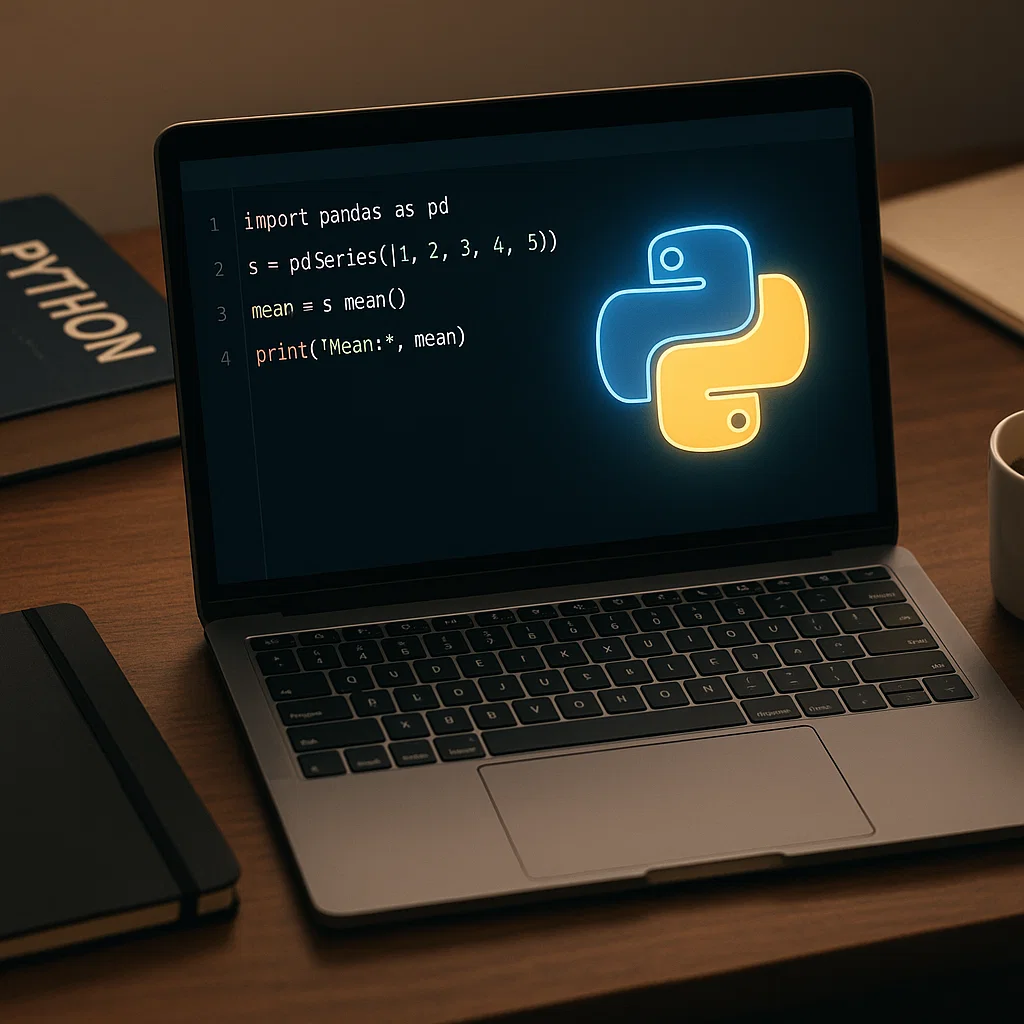
In the modern digital age, nearly all the technologies that we touch upon are based on programming languages. Python is a well-known and generally preferred language, and it is expected to be the most suitable language when it comes to a beginner who wants to learn how to code. The paper will discuss why Python is the language of choice to a beginner programmer and will cover its simplicity, readability syntax, versatility, and supportive community. Python is a good starting point to any programming adventure whether you are in data science, web development, automation, or artificial intelligence (AI).
The Best Language to Start with Python
Briefness and Readable Syntax
Python has a major strength of simplicity. The syntax of Python is intended to be uncluttered and easily understandable, which is in contrast with other programming languages, the syntax of which is too complicated and has to be memorized. Python also relies on indentation, rather than using curly braces, to define blocks of code, which makes Python easier to read. This can assist novices to concentrate on problem solving and not on the complexness of code structures.
As an example, the following code snippet is written in Python:
if x > 0:
print(“Positive number”)
This is simple and easy to know even to an individual not conversant with programming. However, other programming languages such as C or Java would take more lines of codes to complete the same task, and this may scare away a new programmer.
The syntax of Python is also similar to plain English, and therefore accessible to individuals who do not have preceding knowledge of programming. This readability is useful because it enables faster learning of new programmers and they become more comfortable when writing a program.
Versatility Across Domains
Python is also versatile and this is another reason why it is recommended to beginners. Python is applicable in a very broad area thus an excellent language to both the students and the professionals. Python has the tools and libraries to facilitate all of these applications regardless of whether you are interested in data science, web development, automation, or artificial intelligence.
- Data Science: Python is extensively utilized in data analysis and visualization. Pandas, NumPy, and Matplotlib are libraries that allow manipulating data with no difficulties and creating informative visualization.
- Web Development: Python is used to create applications in frameworks such as Django and Flask which enable developers to develop powerful and scalable web applications quickly.
- Simplicity: Python is an excellent language in automating monotonous work. Such libraries as Selenium and Automate may be used to assist with web scraping to file management.
- Artificial Intelligence and Machine Learning: Python is the language preferred in the development of AI opportunities. TensorFlow, Keras, and Scikit-learn are some of the widely used libraries in the construction of machine learning models and neural networks.
Having a rich variety of applications, Python offers beginners with a good background to experiment with several different areas of programming.
Well-established Supportive Community
One of its strongest positions is the Python community. Python is an open-source language, and according to it, there is a large community of developers around the world who actively participate in the development and maintenance of the language. This community does not only make the codebase of the language free but it also contains a lot of documentation, tutorials, and forums that may assist new users.
An interactive community is one of the greatest means by which Python can be learnt. Social media such as Stack Overflow, Reddit, and GitHub offer a wealth of resources to beginners to ask questions, share knowledge, and work with others. Online tutorials, YouTube channels, and code boot camps aimed at assisting students at each level of the programming process are also limitless.
Bountiful Library and Framework Ecosystem
Python boasts a huge library base and framework base that expands its functionality and makes it more efficient and quicker to develop. Python has a library to do whatever you need to do whether it is dealing with databases, complex mathematics calculations, creating a graphical user interface (GUI) etc.
For example:
- NumPy and Pandas are useful libraries of data manipulation and analysis.
- Flask and Django simplify the development of web applications.
- AI and machine learning development tools are offered by TensorFlow and PyTorch.
Libraries are time and space saving as they offer ready-made functions and you do not have to write everything each time you are solving a new problem.
Cross-Platform Compatibility
The other impressive attribute of Python is that it is cross-platform. The Python code is capable of running on nearly all operating systems without any significant changes in Windows, macOS, and Linux. This implies that you can code Python on one system and execute it in another and it is simpler to create and share your work with others.
This cross-platform feature is very useful to the beginners as this means that you have some flexibility in the environment you develop and run your code. You do not have to worry about details on your operating system because Python takes care of the same.
Ready to Think Computationally
Programming is not only syntax but a frame of mind that will enable you to decompose a problem and generate an effective solution. Python promotes such a form of computational thinking which is essential in teaching beginners the art of programming.
The simplicity of Python enables new users of the programming language to write programs that concentrate on logic and problem resolution and not be absorbed in syntax errors or complicated program code. Largely, the more you become familiar with Python the more complex problems you can solve and the more advanced programs that you can create without compromising on readable code.
The Learning Curve of Python
While Python is designed to be easy to learn, it is also powerful enough to grow with you as you gain experience. Python allows beginners to start with the basics and progress at their own pace, without feeling overwhelmed. Unlike other languages that may become difficult to manage as you write more advanced code, Python’s simplicity ensures that you can continue building on your knowledge without hitting roadblocks.
Furthermore, Python has a vast range of online resources, from books to courses, that can help you learn at your own pace. Many of these resources are free, making Python an affordable language to learn.
Conclusion: Python as the Best Language for Beginners
Python stands out as the best programming language for beginners for a variety of reasons. Its simplicity, readable syntax, versatility, and strong support community make it an excellent choice for those new to programming. Whether you’re interested in data science, web development, AI, or automation, Python has the tools and libraries you need to get started.
The ease of learning Python also makes it an ideal language to help develop computational thinking, which is essential for tackling more advanced programming concepts. With Python, beginners can confidently take their first steps into the world of programming, knowing they are learning a language that will open up countless opportunities.
To begin your journey with Python, visit the official Python website for more resources, downloads, and tutorials.