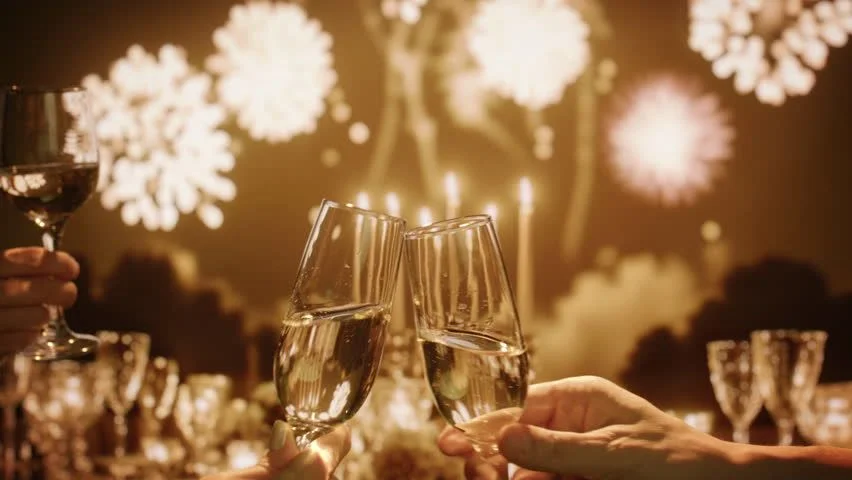
Wine tasting is often pictured as a refined ritual—swirling a glass of ruby-red Bordeaux in a warm-lit cellar or analyzing aromas with poetic precision. But behind this elegant façade lies a fascinating world full of quirks, science, mystery, and human emotion. Wine tasting is not just about flavor; it’s a blend of chemistry, psychology, memory, and culture. And once you look beneath the surface, you begin to see wine in a completely new way.
This expanded guide reveals the unexpected secrets of wine tasting—insights that will sharpen your senses and transform the way you enjoy every glass.
The Science Behind Wine Notes: More Than Fancy Words
When a sommelier mentions “wet stone,” “lemon zest,” or “fresh-cut grass,” it can sound overly dramatic—almost imaginary. But these descriptions are rooted in chemistry, not pretentious vocabulary.
Wine aromas come from volatile compounds released as the wine warms in your glass. These molecules resemble the scents of real-life objects:
- Sauvignon Blanc often smells like green pepper or passion fruit because of methoxypyrazines.
- Chardonnay’s classic buttery aroma comes from diacetyl, the same compound used in buttered popcorn.
- Syrah may hint at pepper due to rotundone, a molecule also found in black pepper.
Your brain automatically connects these familiar smells with memories — which is why wine tasting is as much about the mind as it is about the palate.
Pro Tip: Don’t try to “guess correctly.” Instead, let the aroma spark a memory — that’s the true essence of wine sensory exploration.
Spit or Swallow? The Science of Tasting Smarter
The famous dilemma at wine events: Should you spit or swallow?
Contrary to what beginners believe, professionals spit most of the wine they taste—and for good reason:
- Alcohol quickly numbs your taste receptors.
- After a few sips, aromas feel muted and flavors dull.
- Judges and sommeliers may taste hundreds of wines in one session.
By spitting, you preserve mental clarity and sensory sharpness.
Fun Fact: In elite wine competitions, judges spit into silver spittoons because silver neutralizes odor and keeps the environment clean and scent-free.
Why the Wine Glass Matters More Than You Think
Most people assume a wine glass is just a fancy container, but its shape dramatically affects:
- Aroma concentration
- Bubble retention (in sparkling wines)
- How the wine flows onto the tongue
- Temperature and oxidation rates
For example:
- A Pinot Noir glass has a wide bowl to allow delicate aromas to fully expand.
- A Champagne flute keeps bubbles intact and directs the fizz upward.
- A Bordeaux glass heightens bold notes and smooths tannins.
This isn’t marketing hype; experiments using spectroscopy and airflow studies have proven this.
Try This: Pour the same wine into two different glasses—you’ll be shocked at how different it tastes.
Science Behind Wine: The Myth, Illusion, and Truth
Blind tasting is often portrayed as a test reserved for elite tasters—yet even professionals get fooled.
Studies reveal:
- When white wine is dyed red, experts describe it using red wine notes.
- Cheap wines labeled as expensive are rated higher.
- A bottle tasted in a beautiful setting often “tastes better” due to emotional influence.
Blind tasting strips away labels, prices, and expectations, forcing you to focus solely on what’s in the glass. But it also proves how powerful your brain is in shaping flavor.
Terroir: The Earth’s Signature in Every Drop
Terroir—the unique combination of soil, climate, altitude, and topography—defines a wine’s personality.
- Germany’s Mosel Riesling gets its crisp minerality from slate soils.
- Napa Valley Cabernet’s richness is tied to volcanic terrain.
- Wines from coastal regions often express subtle salty, breezy tones.
The debate continues: Do we literally taste the minerals from the soil? Some scientists argue it’s an aromatic illusion, while winemakers insist the land speaks through the wine.
Either way, one thing is certain: the vineyard’s environment leaves a fingerprint on every bottle.
The Emotional Side of Wine: Why Context Changes Flavor
Wine doesn’t just interact with your palate; it interacts with your heart.
This phenomenon is known as situational taste:
- A wine from a romantic vacation tastes “different” back home.
- A simple wine shared with close friends feels extraordinary.
- Mood, memories, company, and setting all influence perception.
Wine tasting is personal — shaped by emotion as much as by science.
Wine Tasting Creates Community
One of the most beautiful aspects of wine is how it connects people.
Wine clubs, tasting rooms, vineyard tours, and sommelier classes create bonds through shared curiosity. Conversations spark over rare bottles, favorite vintages, and debates like:
- “Is Pinot Grigio underrated?”
- “Do old-world wines really taste better than new-world wines?”
- “Which region will become the next big trend?”
What begins as a solo hobby often blossoms into friendships and cultural discovery.
Mistakes Are Part of the Journey
Beginners often fear “doing it wrong” — but in wine tasting, mistakes are stepping stones.
Misidentifying aromas, misunderstanding acidity, or encountering a corked bottle—all contribute to a sharper palate. Even veteran sommeliers continuously learn and refine their skills.
Wine tasting isn’t about perfection. It’s about curiosity, exploration, and joy.
Elevate Your Wine Adventures
Wine is more than a drink — it’s a story:
- The soil it comes from
- The climate that shaped it
- The barrel that aged it
- The hands that crafted it
Every bottle offers a journey through heritage, culture, science, and emotion. Whether you’re a complete beginner or a seasoned taster, embracing the full experience makes every sip more meaningful.
So slow down, observe, smell, sip, and savor. Let each glass be an invitation to learn, connect, and celebrate the timeless art of wine.
Cheers to discovering your own wine tasting story!