Introduction
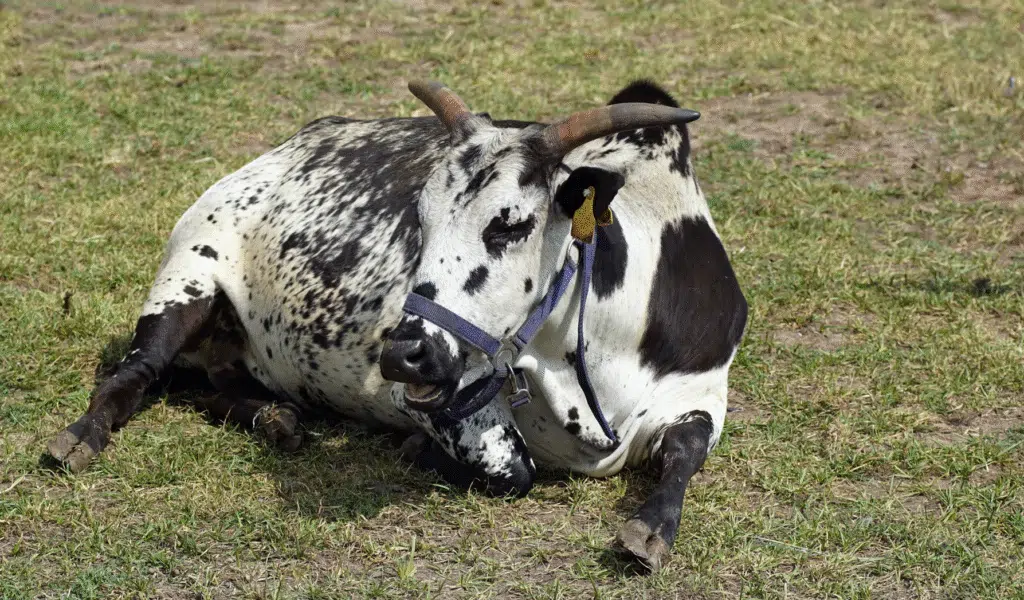
Viral diseases in cattle are a major challenge for farmers and veterinarians because they spread quickly and can cause severe illness or death. These infections affect growth, milk production, reproduction, and overall herd health. When outbreaks occur, they lead to financial losses and sometimes strict government controls. Understanding these diseases helps farmers protect their animals and prevent large-scale damage.
Foot-and-Mouth Disease (FMD)
Foot-and-Mouth Disease is one of the most contagious viral infections in cattle. It causes fever, mouth sores, drooling, and painful blisters on the feet, making it difficult for animals to walk or eat. Young calves may die suddenly due to heart complications caused by the virus. FMD spreads easily through direct contact, air, and contaminated equipment, which is why outbreaks can be extremely difficult to control. Vaccination and strict biosecurity are key to prevention.
Bovine Viral Diarrhea (BVD)
Bovine Viral Diarrhea is a serious cattle disease that weakens the immune system and increases the risk of other infections. Cattle with BVD may suffer from diarrhea, fever, respiratory problems, and reproductive failure. Some animals become persistently infected carriers that spread the virus without showing signs. This makes the disease hard to detect and control in large herds. Regular testing and vaccination are important to stop the spread of BVD.
Infectious Bovine Rhinotracheitis (IBR)
Infectious Bovine Rhinotracheitis is caused by Bovine Herpesvirus-1 and mainly affects the respiratory system. Infected cattle often show symptoms like coughing, nasal discharge, fever, and eye infections. The disease can also cause abortions in pregnant cows, making it especially harmful for breeding farms. The virus can hide in the body and reactivate during stress, which means infected animals may spread the disease later as well. Proper vaccination helps reduce the risk of outbreaks.
Bluetongue Disease
Bluetongue is a viral disease transmitted by biting midges. Affected cattle may develop fever, swelling of the tongue and lips, difficulty breathing, and excessive drooling. Although cattle usually show milder signs than sheep, the disease still affects productivity and overall herd health. Climate change has increased the range of midges, making Bluetongue more widespread. Vector control is important for preventing transmission.
Rabies in Cattle
Rabies is a deadly viral disease that affects the nervous system of cattle. Infected animals may become unusually aggressive, excessively drool, or show paralysis and difficulty swallowing. Once symptoms appear, the disease is almost always fatal. Rabies is commonly spread through bites from infected wild animals such as dogs, bats, or foxes. Vaccination and avoiding wildlife contact are crucial for prevention.
Lumpy Skin Disease (LSD)
Lumpy Skin Disease is a viral infection that causes hard nodules on the skin, fever, and swelling of lymph nodes. The disease spreads mostly through biting insects like mosquitoes and flies, especially in warm seasons. Affected cattle may lose weight, produce less milk, and become more vulnerable to secondary infections. Severe cases can lead to long-term health problems or death. Effective insect control and vaccination are the best ways to prevent LSD.
Impact on Cattle Farming
Viral diseases reduce productivity by affecting milk yield, growth rates, and breeding performance. Farms dealing with outbreaks often face high veterinary costs and loss of animals. Many countries also enforce trade restrictions when viral diseases appear, which affects the entire cattle industry. These impacts show how important it is for farmers to maintain strong disease-prevention programs. Healthy cattle contribute to stable food supplies and stronger farm incomes.
Prevention and Control
Controlling viral diseases requires a combination of vaccination, hygiene, and good management practices. Farmers should isolate new animals before introducing them to the herd and clean equipment regularly. Insect control is critical for diseases like LSD, while early detection helps prevent large outbreaks of FMD, BVD, and IBR. Working closely with veterinarians ensures that cattle receive proper care and vaccinations at the right time.
Conclusion
Viral diseases remain a serious threat to cattle worldwide, but their impact can be reduced with proper awareness and prevention. By understanding how these viruses spread and recognizing their symptoms early, farmers can protect their herds more effectively. Strong vaccination programs, good hygiene, and regular veterinary checks play an essential role in keeping cattle healthy. With these measures, farms can avoid major losses and ensure a more productive future for the livestock industry.