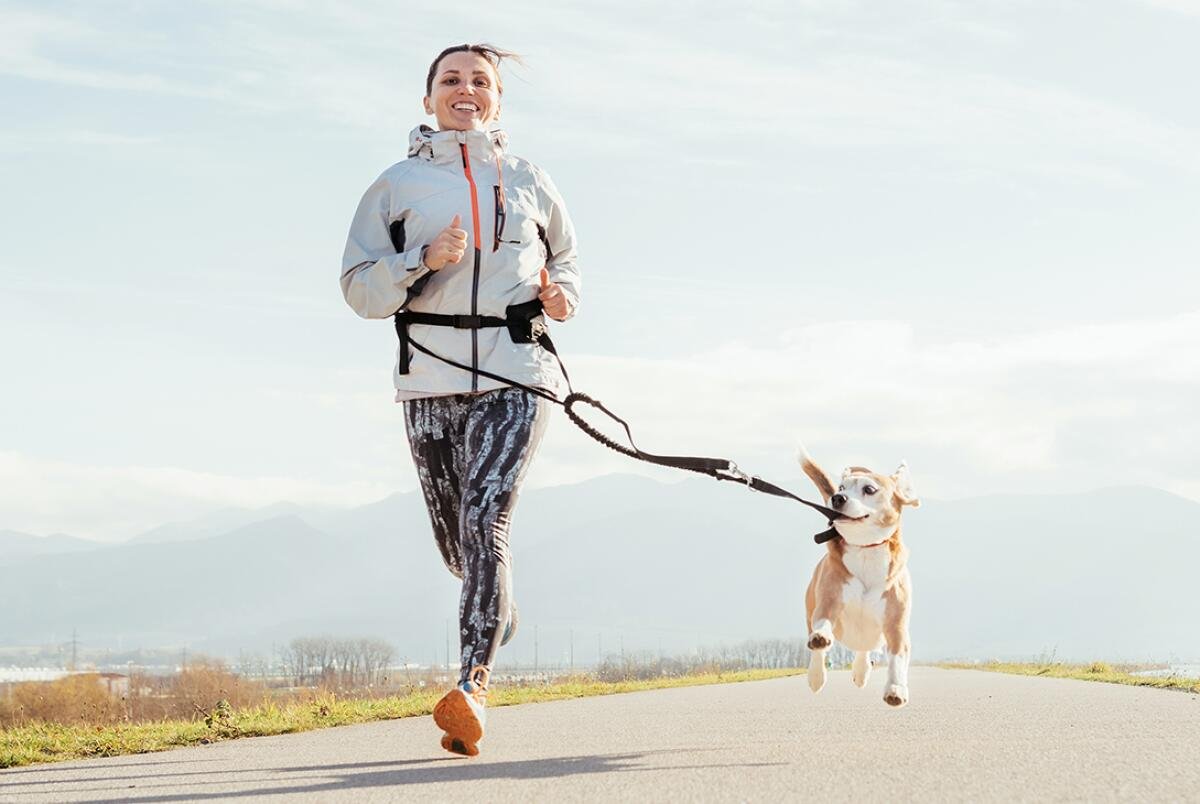
Running alone is powerful. Running with your dog is something else entirely. There is energy, connection, excitement, and a kind of motivation you simply don’t get when running solo. That’s why sport running with dog lead has become so popular among fitness lovers and dog owners around the world. It turns a normal workout into a shared adventure.
I still remember my first run with my dog on a proper running lead. Before that, I tried using a regular leash. Big mistake. Pulling, stopping, tangled arms, broken rhythm. Once I switched to a sport-specific dog running lead, everything changed. The run felt smooth. My dog stayed focused. And suddenly, we were moving like a team instead of fighting the leash.
Platforms like The Running Post often talk about how running with dogs improves both physical fitness and mental connection. But only if it’s done the right way.
What Sport Running With Dog Lead Really Means
Sport running with dog lead is not casual walking with a leash. It’s structured running where both the runner and the dog move at a steady pace using specialized running equipment. This style is often linked with canicross, trail running with dogs, and endurance-based pet fitness routines.
Unlike standard leashes, a running dog lead is designed to:
- Absorb shock
- Keep hands free
- Maintain consistent distance
- Reduce sudden pulling
It allows both the runner and the dog to stay in natural motion without constant stopping.
Why Regular Leashes Fail During Running
This is where most beginners struggle. A normal leash is made for walking, not running. During running:
- The leash jerks your arm
- Your shoulder absorbs all the pulling force
- The dog keeps stopping or speeding up
- Balance becomes unstable
From personal experience, regular leashes turn running into chaos. A proper dog running lead uses elastic materials and waist-belt systems so your core absorbs movement instead of your arm.
That difference alone can prevent injuries and make long runs possible.
Key Benefits of Sport Running With Dog Lead
Running with your dog is not just fun. It actually upgrades your fitness routine in several ways.
First, motivation increases. On days when your energy is low, your dog’s excitement pulls you out the door. Second, endurance improves. Dogs naturally push a steady pace and discourage unnecessary breaks.
Third, mental health benefits are real. Movement with your dog reduces stress, builds routine, and improves emotional balance. And lastly, it strengthens discipline. When your dog expects the run daily, excuses disappear.
Experts at The Running Post also highlight that runners who train with dogs often develop better pacing control and outdoor consistency.
Choosing the Right Dog Lead for Running
This decision matters more than most people think. The wrong lead ruins the experience. The right one makes everything feel effortless.
A good running dog lead should have:
- Shock-absorbing elastic section
- Waist belt for hands-free running
- Strong yet lightweight clip
- Adjustable length
- Breathable belt padding
Avoid heavy metal chains or rope-style leashes. They increase risk and reduce control.
Selecting the Right Harness for Your Dog
The lead is only half the system. The harness matters just as much. A proper running harness distributes pressure across the chest instead of the neck.
Bad harnesses cause:
- Breathing restriction
- Shoulder strain
- Muscle imbalance
- Behavioral resistance
A good harness should:
- Sit flat on the chest
- Allow full shoulder movement
- Stay stable during speed changes
- Fit snug without digging
Comfort for your dog directly controls your running quality.
Training Your Dog for Running Before Hitting Full Speed
One of the biggest mistakes people make is assuming their dog is automatically ready to run long distances. Dogs need conditioning just like humans.
Start with:
- Short jog-walk combinations
- Simple directional commands
- Pace consistency training
- Distraction control
From real-life training, it usually takes 2 to 4 weeks for a dog to adapt comfortably to structured running. Rushing this phase leads to joint stress, resistance, and unpredictable behavior.
Safety Rules Every Runner Should Follow
Running with a dog is not the same as running alone. Safety becomes a shared responsibility.
Always check:
- Paw condition before and after runs
- Temperature (hot pavement can burn paws)
- Hydration for both runner and dog
- Traffic awareness
- Other dogs and distractions
Night runs require reflective gear on both the dog and the runner. The Running Post frequently reminds runners that most dog-running accidents happen due to poor visibility and distraction.
How Sport Running With Dog Lead Improves Fitness
Running with a dog changes your biomechanics slightly. Your core engages more. Your posture stays alert. Your balance improves. And mentally, your focus shifts from distance to rhythm and control.
From my experience:
- Easy runs become more consistent
- Long runs feel less boring
- Recovery walks become active
- Mental fatigue drops significantly
You stop watching the clock and start enjoying the movement.
Common Problems Runners Face and How to Fix Them
Many beginners deal with pulling, zigzag running, sudden stops, or loss of pace. These issues usually come from:
- Wrong equipment
- Lack of directional command training
- Over-excitement
- No pace setting
The solution is simple but requires patience. Short training runs. Calm starts. Controlled speed. Repeat exposure.
Once both runner and dog settle into rhythm, most issues disappear on their own.
Road Running vs Trail Running With Dog Lead
Road running with dogs offers predictable surfaces and simple control. It’s ideal for beginners. Trail running adds excitement but also unpredictability. Roots, slopes, water crossings, and wildlife distractions increase difficulty.
For trail running:
- Shorter leads work better
- Stronger harnesses are needed
- Verbal control becomes essential
Personally, I always advise mastering road running first before moving into trails.
Is Sport Running With Dog Lead Suitable for All Dogs?
Not every dog breed is built for running. High-energy breeds adapt quickly. Short-nosed breeds struggle with airflow. Elderly dogs need extra care.
Veterinary guidance is important, especially for:
- Puppies
- Senior dogs
- Overweight dogs
- Dogs with joint history
Good intentions without medical awareness often lead to long-term damage.
The Real Secret to Long-Term Success
The secret is not speed. It’s consistency. Run slow together. Build distance together. Recover together. Your dog doesn’t care about pace charts or race goals. It cares about shared movement and excitement.
When that bond locks in, training stops feeling like training.
Final Thoughts
Sport running with dog lead is more than just fitness. It’s teamwork in motion. With the right equipment, safe pacing, steady training, and mutual understanding, running with your dog becomes one of the most rewarding workout styles possible.
It builds discipline. It builds endurance. And most importantly, it builds connection. Platforms like The Running Post continue to encourage runners to treat dog running as a serious sport, not a casual experiment. When done right, it becomes a powerful long-term habit for both body and bond.