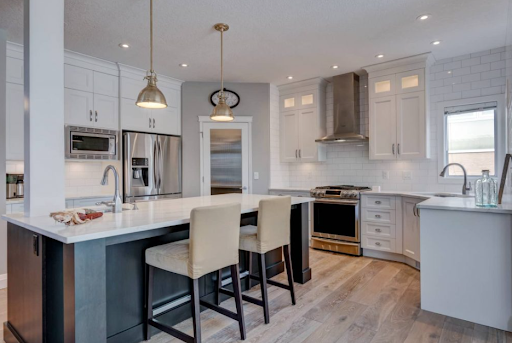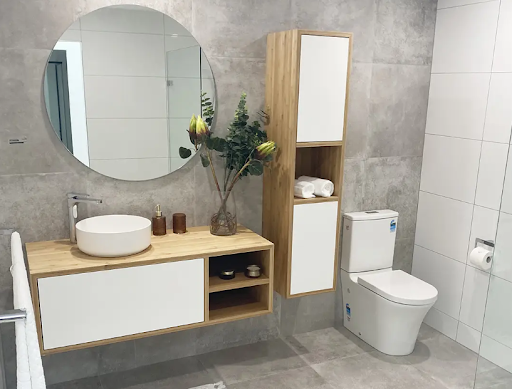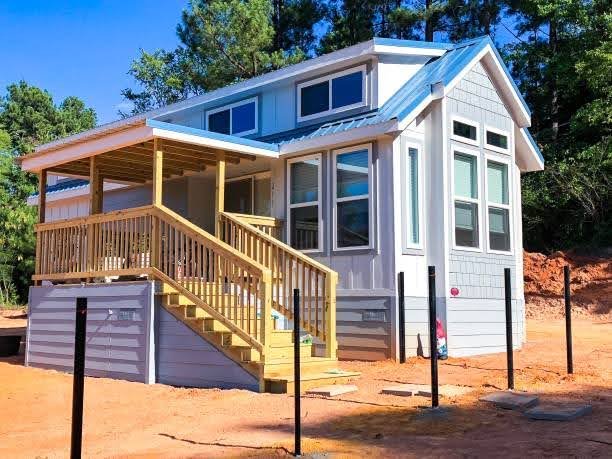
Over the past decade, tiny homes have gone from a small idea to a nationwide movement. More Americans are choosing to live in smaller spaces, simplify their lives, and focus on what truly matters. The trend is growing in cities, suburbs, and even rural areas. Many people now see tiny homes as a smart, affordable, and meaningful way to live. But why exactly are Americans downsizing? And what makes tiny homes so appealing? Let’s explore the reasons in a simple and clear way.
1. Rising Housing Costs Are Pushing People to Look for Alternatives
One of the biggest reasons behind the tiny home movement is the high cost of housing. In many states, buying a traditional home has become extremely expensive. Rent prices have also gone up in most big cities. This puts pressure on families, young adults, and even retirees.
A tiny home offers a way out of that stress. It costs far less to build or buy compared to a standard house. Many tiny homes are fully paid off in a short time. This means no long-term debt, no huge mortgage, and no heavy financial burden. For many Americans, that alone feels like a fresh start.
2. People Want to Reduce Stress and Live a Simpler Life
Big homes often come with big responsibilities. More rooms to clean. More furniture to buy. Higher utility bills. More things to manage every day. Many Americans are tired of that lifestyle.
Tiny homes encourage a simpler way of living. People who live tiny often say that they feel more relaxed. They focus on experiences instead of possessions. They buy only what they need. They save time because they clean less and maintain less. Their homes feel cozy, efficient, and easy to manage.
For many, downsizing is not about giving up comfort. It is about gaining peace of mind.
3. Americans Are Becoming More Environmentally Conscious
Another reason the tiny home movement is growing is the rising concern for the environment. People want to live in ways that use fewer resources. Tiny homes help make that possible.
These homes use less electricity, less water, and fewer building materials. Many tiny homeowners install solar panels, composting toilets, and rainwater systems. Others choose eco-friendly insulation and recycled materials. The small size makes it easier to lower your carbon footprint.
Living tiny helps people feel like they are doing something positive for the planet.
4. Remote Work Is Changing How People Live
Remote work used to be rare, but now it is common across the U.S. Many jobs allow people to work from home. This new lifestyle gives people more freedom to choose where they want to live.
Because of this, tiny homes have become a popular option. People place tiny homes on land outside of crowded cities. Others choose small communities where life is peaceful and quiet. Some even travel with their tiny home if it is built on wheels.
Remote work allows Americans to design a lifestyle that fits their personal goals. Tiny homes fit perfectly into that new freedom.
5. Tiny Homes Help People Save Money and Build Financial Stability
Many Americans want to save for their future. But high living expenses make it difficult. Tiny homes offer a solution. They cost less to heat, cool, maintain, and repair. Utility bills are lower. Property taxes may be lower too, depending on location.
With fewer expenses, tiny homeowners can save more money. They can put money toward travel, including memorable experiences like Kashmir Holidays, as well as education, business, or retirement. Some even live in tiny homes temporarily while saving to buy land or build a larger home later.
Tiny living gives people control over their finances. It helps them build stability that feels out of reach with traditional housing.
6. Americans Want More Freedom and Flexibility
Many people feel stuck in their routines. They want more freedom. Tiny homes support a flexible lifestyle. For example:
- A tiny home on wheels allows travel from place to place.
- A tiny home on land lets people live close to nature.
- Some people use tiny homes as guest houses, rentals, or work studios.
A tiny home does not tie you down. It feels like a lifestyle that can change as your needs change. Many Americans love that freedom.
7. Minimalism Is Becoming More Popular
Minimalism is a trend that encourages people to live with fewer things and focus on what truly matters. Social media, books, and TV shows have helped spread this idea.
Tiny homes fit this lifestyle perfectly. They teach people to think carefully about what they bring into their home. Every item must have a purpose. Every space must be used wisely.
People who adopt minimalism often say they feel lighter, happier, and more focused. Many Americans find that the tiny home movement supports this new way of thinking.
8. Americans Want To Spend More Time Outdoors
Tiny homes are often placed in peaceful locations, such as forests, mountains, lakesides, or open fields. Many tiny homeowners say they spend more time outside than ever before. They garden, walk, hike, and enjoy fresh air.
With fewer chores and fewer indoor responsibilities, people naturally connect more with nature. This makes life feel more balanced and enjoyable.
9. The Tiny Home Community Is Supportive and Growing
Another reason the movement continues to rise is community support. There are many tiny home groups, online forums, and local meet-ups. People share ideas, designs, and tips. They help others who are just starting their tiny home journey.
Tiny home villages and communities are also growing in several states. These communities offer shared spaces, gardens, and friendly neighbors who live the same lifestyle. Americans love feeling part of something meaningful and supportive.
10. Downsizing Helps People Take Control of Their Lives
At the heart of the tiny home movement is a simple idea: control. Americans want to control their money, time, environment, and future. A tiny home gives them the power to choose how they live, where they live, and what they value.
Downsizing is not about living small. It is about living smart. It is about creating a life filled with purpose instead of clutter. Many Americans feel happier, healthier, and more free after making the switch.