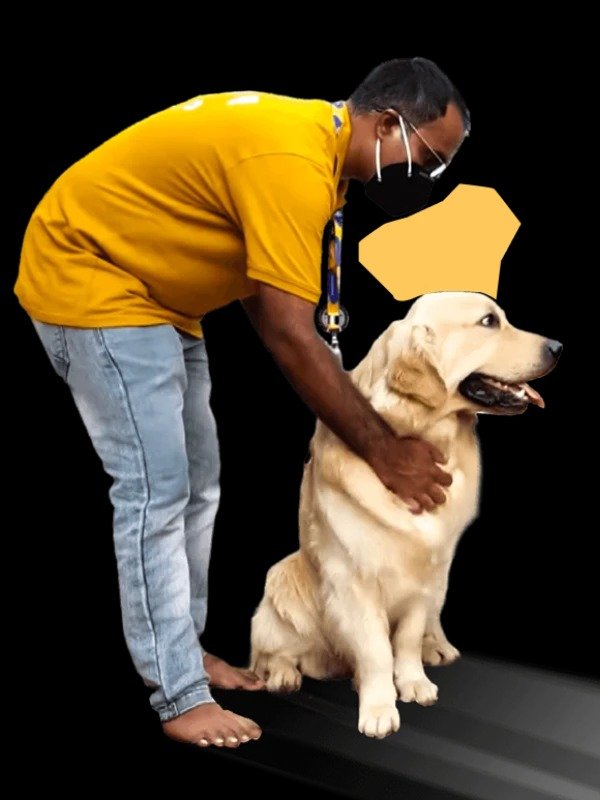
Dogs bring joy, but without proper guidance, they can become sources of stress. Chewed furniture, barking complaints from neighbours, and unpredictable behaviour around children are common problems. These issues don’t just frustrate pet parents. They cost money, damage relationships, and sometimes force families to rehome their dogs. Training isn’t a luxury. It’s essential protection against problems that only get worse with time.
Finding Affordable Help: Many families search for a dog trainer near me with price options because they need transparency before committing. Quality training doesn’t have to drain savings. Session-based packages let pet parents choose what fits their budget. Meeting trainers beforehand helps families understand methods, pricing, and whether the approach suits their dog’s personality. This flexibility makes professional guidance accessible to more households.
Why Untrained Dogs Create Hidden Costs
Property Damage Adds Up Fast: A bored or anxious dog can destroy a sofa in hours. Chewed door frames, scratched floors, and shredded cushions aren’t just annoying. They’re expensive to repair. Some dogs dig through walls or tear apart carpets when left alone. These behaviours stem from separation anxiety or lack of mental stimulation. Training teaches dogs to stay calm and occupied, protecting homes from thousands in damage.
Medical Bills From Behavioural Issues: Aggressive dogs sometimes injure other pets or people. Vet bills for treating bite wounds run high. Legal costs can follow if a dog harms someone outside the home. Even minor incidents create stress and financial strain. Proper training reduces these risks by teaching dogs to respond calmly to triggers. Prevention costs less than dealing with consequences later on.
Lost Time and Emotional Strain: Constantly managing a difficult dog drains energy. Pet parents can’t relax at home or enjoy walks. Some avoid having guests over because their dog jumps or barks excessively. This isolation affects mental health and family dynamics quite severely. Training restores peace and lets everyone enjoy life with their pet again.
What Professional Training Actually Prevents
Stopping Aggression Before It Escalates: Dogs show aggression for many reasons. Fear, territorial instincts, or past trauma can trigger snapping or lunging. Early intervention prevents these behaviours from becoming ingrained habits. Trainers identify root causes and use positive reinforcement to reshape responses. Dogs learn that calm behaviour gets rewards, not reactive outbursts that create problems for everyone involved.
Reducing Destructive Chewing and Digging: Puppies explore with their mouths. Adult dogs chew when anxious or bored. Training redirects this energy into acceptable outlets like toys or puzzle games. Dogs learn which items are toys and which are off-limits. Mental exercises tire them out as much as physical activity does. A tired, stimulated dog rarely destroys belongings or causes household disruption.
Building Confidence in Nervous Dogs: Fearful dogs often develop problem behaviours that seem unpredictable. They bark at strangers, hide during thunderstorms, or refuse to walk in busy areas. Training builds confidence through gradual exposure and positive experiences over time. Dogs learn to trust their environment and handle stress without panic. This transformation improves their quality of life dramatically.
How Session-Based Training Works
Flexible Plans for Different Needs: Not every dog needs a month-long programme or intensive boarding. Some families want help with specific issues like leash pulling or door manners only. Session-based training lets pet parents book consultations as needed without long-term commitments. Trainers assess the dog’s behaviour, create a customised plan, and teach owners techniques to practise at home between sessions.
Expert-Led Behaviour Correction: Professional trainers understand canine psychology and developmental stages. They spot patterns pet parents miss and know which methods work fastest for different temperaments. Positive reinforcement techniques motivate dogs without fear or force being involved. Trainers also educate families on reading body language and preventing future problems through environmental management and consistency.
Common Training Challenges Families Face
Separation Anxiety Takes a Toll: Dogs left alone often panic and display destructive behaviours. They howl, scratch doors, or have accidents indoors despite being house-trained. Neighbours complain, and pet parents feel guilty about leaving home. Training helps dogs feel secure when alone through gradual desensitisation exercises. Dogs learn that departures aren’t permanent and their family always returns.
Leash Reactivity Creates Dangerous Situations: Dogs that lunge at other animals or people make walks stressful and embarrassing. Pet parents avoid certain routes or only go out at odd hours when fewer people are around. Training corrects leash reactivity by teaching dogs to focus on their handler instead of external triggers. Walks become enjoyable again instead of battles.
Warning Signs That Need Immediate Attention: Pet parents sometimes hope problems will resolve naturally as dogs mature. They rarely do without intervention. Recognising warning signs helps families act before situations worsen:
- Consistent aggression towards people or other animals creates serious liability risks and potential legal problems.
- Destructive behaviour that worsens over time indicates deeper anxiety or boredom issues needing professional assessment.
- Fearful reactions that prevent normal activities like walks or vet visits limit the dog’s quality of life significantly.
- Ignoring basic commands puts the dog in danger during everyday situations like crossing roads.
Conclusion
Skipping professional training costs more in the long run than prevention does. Damaged property, medical bills, and emotional stress add up quickly over months. Investing in expert guidance prevents these problems and creates a happier household for everyone. Session-based training offers affordable, flexible options for every family’s budget and schedule. Don’t wait until small issues become major crises. Book a consultation with a qualified trainer today and transform your dog’s behaviour.