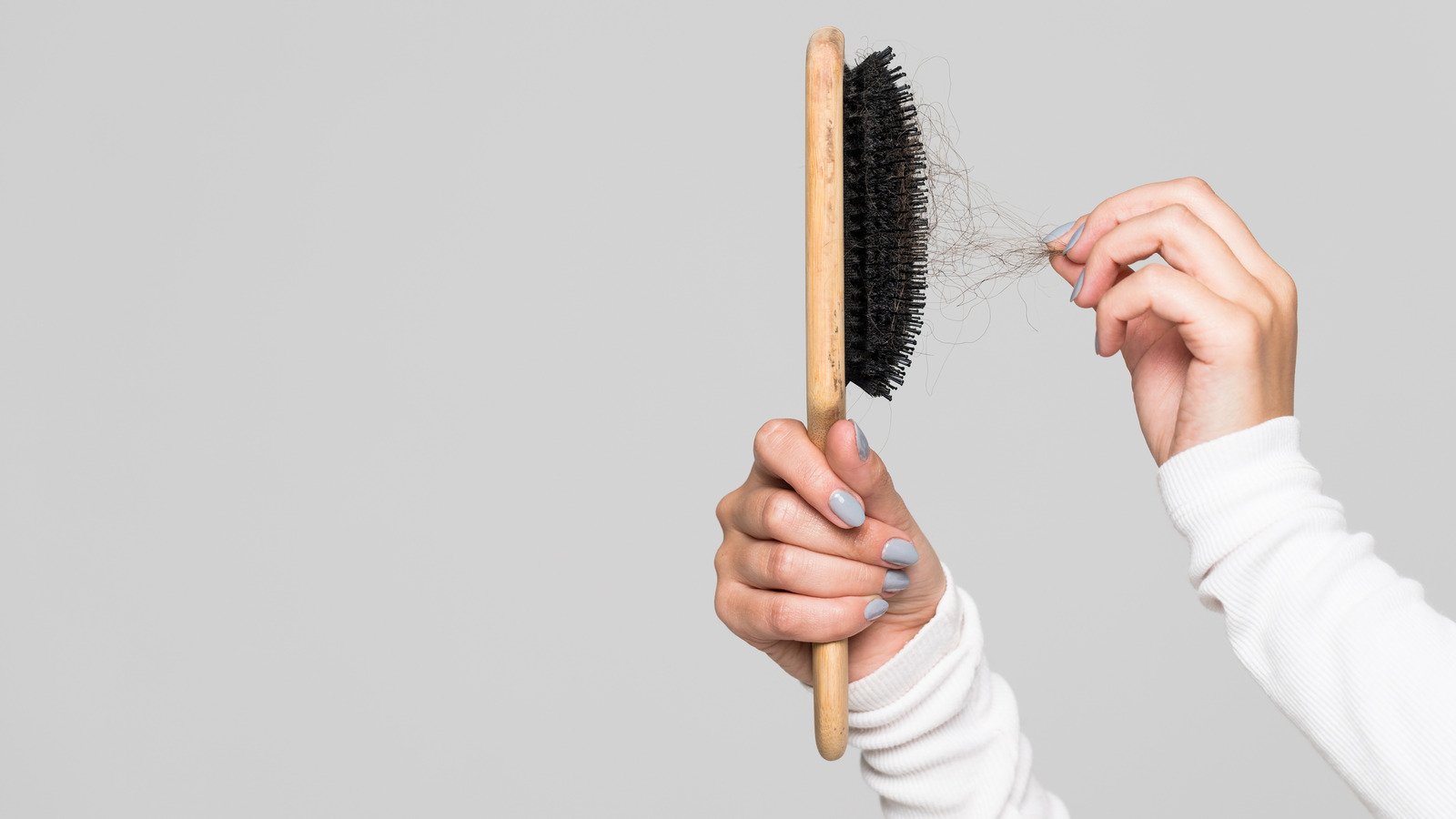
Dihydrotestosterone (DHT) is one of the main hormones responsible for male pattern baldness, also known as androgenetic alopecia. For many men—and some women—excess DHT causes gradual thinning, receding hairlines, and reduced hair density.
DHT blockers help slow down this process by reducing the hormone’s impact on the hair follicles.
Below is a medical, research-backed guide on what DHT blockers are, how they work, and whether they may be helpful for you.
What Is DHT?
DHT (Dihydrotestosterone) is a hormone derived from testosterone. It plays a role in:
- Puberty development
- Sex drive
- Prostate function
However, in genetically sensitive individuals, DHT binds to receptors in the hair follicles and causes them to shrink.
How DHT Causes Hair Loss (The Science Behind It)
In people with androgen sensitivity:
- DHT attaches to hair follicle receptors
- The follicle begins to shrink (miniaturization)
- The hair growth phase becomes shorter
- Hair strands become thinner, weaker, and shorter
- Eventually, the follicle stops producing visible hair
This process usually affects:
- The hairline
- Crown
- Mid-scalp
This is why DHT is a major target in hair loss treatment.
How DHT Blockers Work
DHT blockers reduce the hormone’s effect on hair follicles through three main mechanisms:
1. Blocking the enzyme 5-alpha reductase
This enzyme converts testosterone into DHT.
Medications like finasteride inhibit this enzyme.
2. Preventing DHT from binding to hair follicles
Ingredients like saw palmetto or pumpkin seed oil may partially block DHT activity.
3. Reducing scalp inflammation
Chronic inflammation can worsen androgenetic alopecia.
Some natural blockers help calm the scalp and reduce damage.
Types of DHT Blockers
1. Prescription DHT Blockers
These are clinically proven and are the most effective.
Finasteride (1 mg)
- FDA-approved for male pattern baldness
- Blocks Type II 5-alpha reductase
- Can reduce scalp DHT levels by up to 60%
Dutasteride
- Blocks both Type I and Type II 5-alpha reductase
- More potent than finasteride (up to 90% DHT reduction)
- Often prescribed off-label for hair loss
2. Topical DHT Blockers
These target DHT at the scalp level, reducing systemic side effects.
Examples:
- Topical finasteride
- Topical minoxidil with finasteride
- Topical caffeine
- Ketoconazole shampoo (anti-androgen effects)
- Natural / Herbal DHT Blockers (less potent but helpful for mild cases)
- Saw palmetto
- Pumpkin seed oil
- Green tea extract (EGCG)
- Pygeum bark
- Rosemary oil
- Stinging nettle root
While not as effective as prescription drugs, some studies show mild to moderate improvements in hair density.
Are DHT Blockers Effective?
✔ For men with androgenetic alopecia
Yes — most effective when started early.
Finasteride and dutasteride are considered gold-standard treatments.
✔ For women
They may help some women, especially post-menopausal women, but doctors often use different medications (e.g., spironolactone).
✔ For severe or long-term baldness
DHT blockers can slow or stop hair loss, but cannot revive dead follicles.
A hair transplant may be needed for advanced cases.
Myths vs Facts About DHT Blockers
1. DHT blockers can regrow all lost hair.
Fact: They mostly preserve existing hair and regrow some areas.
2. Only older men need DHT blockers.
Fact: Early-stage treatment is much more effective.
3. All natural DHT blockers work the same as finasteride.
Fact: Natural blockers are milder and best for light thinning.
Possible Side Effects
Prescription DHT blockers are generally safe but may cause:
- Reduced libido
- Erectile changes
- Mood changes (rare)
- Breast tenderness (rare)
Topical versions reduce these risks significantly.
When to See a Professional
You should consult a dermatologist or hair specialist if you:
- Notice rapid or unexplained hair thinning
- Experience a receding hairline before age 30
- See thinning at the crown or temples
- Notice excessive shedding for more than 3 months
- Have a family history of androgenetic alopecia
- Want personalized advice on finasteride, dutasteride, or topical blockers
Early diagnosis leads to better results.
Ready to Improve Your Scalp Health?
You’re welcome to take things at your own pace. If you’d like friendly guidance about your scalp and hair, you can book a simple, stress-free consultation with Med Matrix—no pressure, no complicated tests.
Schedule Your Scalp & Hair Health Consultation