Key Takeaways
- Modern EVs comfortably meet most daily driving needs with ranges suited for typical commutes.
- Charging options are more widespread and user-friendly, improving convenience for all drivers.
- EVs provide a quieter, smoother, and more enjoyable driving experience.
- Lower maintenance costs make EVs an economical long-term investment.
- Government incentives and rebates help reduce overall purchase costs.
Electric vehicles (EVs) are rapidly shifting the landscape of daily transportation, offering an exciting alternative to traditional combustion-engine vehicles. From improved efficiency and lower ownership costs to eco-friendly driving, EVs present a range of benefits that are capturing the attention of drivers everywhere. For those exploring new ways to embrace this automotive revolution, options like new cars for sale in Harrisburg, PA make transitioning to electric vehicles more accessible than ever before.
As EV technology and charging infrastructure continue to advance, the practicality of owning an electric car has never been better. These changes are making EVs far more adaptable to various lifestyles and driving habits, turning what was once considered a niche product into a mainstream choice for commuters and enthusiasts alike
Meeting Daily Driving Needs
For the average commuter, the range anxiety that once dominated discussions about electric vehicles is rapidly becoming a thing of the past. According to the U.S. Department of Transportation, most Americans drive fewer than 40 miles per day, well below the battery capacities of nearly all modern EVs—many of which offer ranges upward of 250 miles per full charge. This means that for weekly school runs, shopping trips, and commutes, EVs provide more than enough driving distance without the constant need for recharging.
This shift is prompting more drivers to consider EVs as realistic replacements for their current vehicles, supporting both regular transportation requirements and more spontaneous outings.
Expanding Charging Infrastructure
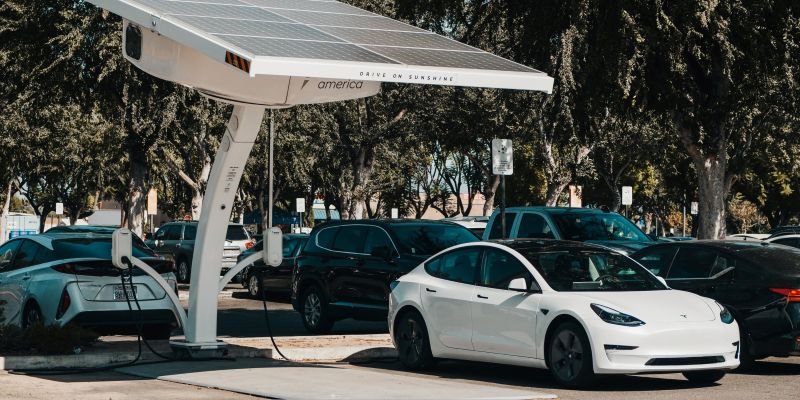
Charging an EV is becoming increasingly straightforward thanks to the rapid growth of public and private charging networks. Across the United States, charging stations now line major highways, city centers, and even small towns, giving EV owners the flexibility to travel greater distances without worry. Home charging solutions are also gaining popularity, allowing drivers to recharge their vehicles overnight and often taking advantage of reduced electricity rates.
The variety of available chargers—ranging from quick public DC fast chargers to home-installed Level 2 units—means drivers can pick solutions that best fit their schedules and routine needs. For renters, workplace charging is also becoming more accessible, further alleviating concerns over where and when to recharge.
Enhanced Driving Experience
Driving an EV provides rewards beyond cost savings or environmental benefits. Without the traditional vibrations of an internal combustion engine, EVs deliver an ultra-quiet, silky-smooth ride. This reduction in noise and engine heat contributes to less stressful trips and can help lower driver fatigue, particularly during lengthy periods behind the wheel. The instant torque characteristic of electric motors also delivers a more responsive and engaging acceleration, making everyday driving feel both modern and exhilarating.
Lower Maintenance Costs
One of the standout benefits of EVs is their simplified mechanical design. Without complex exhaust systems, engine oil, spark plugs, or timing belts, electric vehicles require significantly less routine maintenance. Brake wear is also reduced thanks to regenerative braking, which recaptures energy as the vehicle slows down. Over the vehicle’s lifespan, these factors provide substantial savings on service and replacement parts, which is especially appealing for budget-conscious drivers.
Government Incentives
Various state and federal programs are in place to support drivers who are making the switch to electric vehicles. Federal tax credits, state rebates, and other incentives can help offset the sometimes higher upfront cost of EVs, making them a more attractive investment for families and individuals alike. These policies are designed not only to make cleaner vehicles more affordable but also to accelerate reductions in carbon emissions from the transportation sector.
Environmental Impact
Beyond the benefits to drivers’ wallets, EVs are a decisive step toward cleaner air and a reduced carbon footprint. Studies from the U.S. Environmental Protection Agency (EPA) indicate that, even when accounting for the emissions generated from power plants, electric vehicles produce significantly fewer greenhouse gases over their lifespan than their gasoline-powered counterparts. By switching to an EV, drivers contribute to improved air quality in their communities and a more sustainable global environment.
Conclusion
Electric vehicles are redefining what we expect from our daily drivers. With ample range, robust charging infrastructure, and a more relaxing behind-the-wheel experience, EVs are becoming the smart choice for a broader audience. Their lower maintenance costs and attractive government incentives give added reasons to consider making the switch, while their positive environmental impact supports a healthier future for everyone. As technology and infrastructure continue to progress, the road ahead looks promising for EV adoption and the drivers who choose them.
Conta rápida no Ninja vs Samurai: 96% de RTP fica em amostras grandes. Pequenas mentem.
O cara que parou de chasing em março perdeu R$120 fazendo chasing no Sweet Bonanza, postou o comprovante, assumiu. Respeito.
Define o alvo antes de abrir Diamond Cascade. Bateu, sai. Não tem negociação.
Exactly right message
Thank you for putting this out there, really helpful