The skin of the human being is a wonderful construction, and it is multifunctional, durable, and vital to survival. Being the largest organ in the body, it has a wide range of functions, which keep the body alive, guard inner tissues and promote well-being. Skin protects the body against infection, maintains temperature, provides sensation, prevents loss of water and even conveys the emotional conditions. But although we see and touch it every day people hardly ever wonder how it is structured and how complicated it is.
In order to get a full appreciation on how the skin works, it is better to know the three main layers of the skin namely the epidermis, the dermis, and the hypodermis. These layers act as a protective shield by way of dynamics.
This article discusses the biology of these layers, and reveals how the skin is used as the first line of defence by the body. It also covers the reasons as to why skin health is important and the effects that daily practices have on skin integrity.
Learning to know the Human Skin
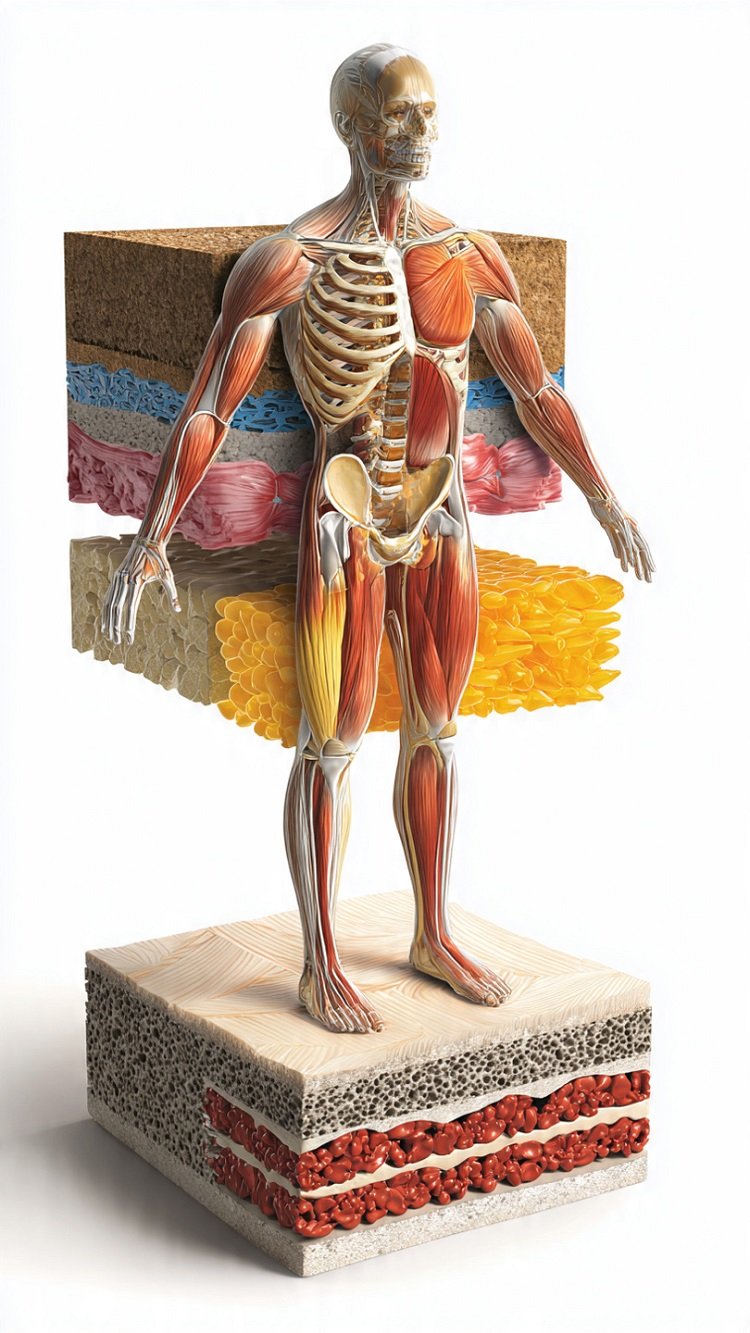
Skin is not merely a surface covering but it is a living tissue, a regenerative organ. It takes an average area of 22 square feet and the weight of 6-10 pounds depending on the size of the body. Its design is in three major levels:
- Epidermis: this is the outermost layer of defence.
- Dermis: the intermediate layer of support.
- Hypodermis: the insulating lowermost layer.
All layers are different in structure and are dependent on each other to provide protection, hydration, temperature regulation and sensory activity.
The Epidermis: The Guard of Honor
The epidermis is the skin layer, which is the initial skin contact with the outer world and also it is the initial point of contact of the body with the external environment. It is powerful and mobile so that it creates a waterproof barrier to prevent entry of microbes and loss of fluids.
The Anatomy of the Epidermis
The anatomy of the epidermis is examined in the key-word based degradation below:
- Stratum basale
- Stratum spinosum
- Stratum granulosum
- Stratum lucidum (thick skin, e.g. palm and sole)
- Stratum corneum
Stratum Basale: The Regenerative Layer
It is the deepest part of the epidermis in which the keratinocytes are formed. These cells keep on dividing and forcing the old cells to the surface. Here, melanocytes, which are cells producing melanin are also found. Melanin is a protein that is in charge of skin color and shields against ultraviolet (UV) rays.
The Strengthening Layer: Stratum Spinosum
The keratinocytes of this layer start to synthesize the tough protein, keratin, which makes the skin tough. Langerhans cells are immune cells that are located here and they warn the body of things that might pose a threat to it.
Stratum Granulosum: The Waterproofing Coat
Keratinocytes make up a dense and grainy texture in this layer because of keratohyalin granules. These granules are used to generate a waterproof layer that eliminates dehydration and excludes harmful elements.
Stratum Lucidum: The Layer of Clarity
This is a transparent layer that is located only in the thick skin and offers an additional defense against friction and pressure.
Stratum Corneum: The Corner-most Layer
This is the most exterior layer which is a dead and flattened keratin-filled cell. These cells also keep shedding and new ones have to be provided by the bottom which forms a strong protective layer.
Functions of the Epidermis
Pathogen Protection
Epidermis serves as the ultimate defense barrier in the body. Its arrhythmic cells do not allow bacteria, viruses, and fungi to penetrate into the body.
Water Loss and Barrier to Chemicals
The epidermis is waterproof to allow harmful chemicals to access the body whereas the body fluids do not evaporate.
UV Radiation Protection
Melanin receives and spreads ultraviolet radiation and lessens the harm to DNA and shelters deeper tissues.
Continuous Regeneration
The epidermis has a healing cycle of 2830 days and this means that minor cuts or abrasions will heal fast.
The Supportive Middle Layer The Dermis
The dermis, which is positioned between the epidermis, is more robust, denser and was stuffed with some obligatory structures that facilitate the work of the skin.
Components of the Dermis
The dermis contains:
- Collagen and elastin fibers
- Blood vessels
- Sensory receptors and nerves.
- Sweat glands
- Sebaceous (oil) glands
- Hair follicles
Collagen and Elastin: The Strength and Flexibility of Skin
Collagen fibers provide the skin with all its structural support, whereas the elastin fiber enables the skin to stretch and resume its shape. These proteins make the skin firm and yet flexible.
Blood Vessels: Thermostats and Cure
The dermis of the skin contains blood vessels that control the body temperature:
- They expand upon overheating to give out heat.
- They narrow in order to keep warm when cold.
Immune cells, oxygen and nutrients that aid in healing are also carried by these vessels.
Sweat Glands
Sweat glands are known to maintain the temperature by the release of perspiration which evaporates to cool the body. Sweat helps during the elimination of toxins as well.
Sebaceous Glands
The glands produce sebum- a sticky substance composed of oil which keeps the skin moist and safe. Sebum helps to avoid cracks which would open to infection.
Hair Follicles
The hair follicles shield against the external environment and help in heat regulation. Hairs can serve as an instrument of sense because the nerve endings on them are located near follicles.
Sensation: The Dermis as a System of Communication
Dermis has sensory receptors which sense:
- Touch
- Pressure
- Pain
- Temperature
- Vibration
The signals relayed by these receptors to the brain allow human beings to respond to the environment, e.g. withdrawing themselves when subjected to a hot environment or moving towards a warm environment in cold weather.
The Hypodermis: The Isolating Deep Layer
The hypodermis is a layer below the dermis which is also referred to as subcutaneous. It unites skin with muscles and bones as well as cushions and insulates.
Composition of the Hypodermis
The hypodermis consists largely of:
- Fat cells (adipocytes)
- Loose connective tissue
- Larger blood vessels
Thermal and Sound Protection
Since it is fatty, the hypodermis aids in maintaining the body temperature in keeping internal organs warm.
Shock Absorption
The layer of fat cushions the physical impacts sparing the deeper structures harm.
Energy Storage
Fat that is stored acts as a backup source of energy when energy is required like during fasting or high energy requirements.
How Skin Protects the Body
The three layers of the skin collaborate to perform survival essential protection functions.
Defense Against Infection
Several layers of defense are offered due to keratin, sebum, sweat and immune cells. The pH of skin is moderately acidic, so the harmful microorganisms are not promoted.
Body Temperature Regulation
Sweating, expansion of blood vessels, and insulating aid in the maintenance of a constant internal temperature despite changing environment.
Sensory Detection
Skin warns the body about potential danger and has sensory receptors, which detect pain or extreme temperatures.
Prevention of Dehydration
The epidermal barrier traps in moisture, and dangerous loss of fluids is prevented.
UV Protection
Melanin helps prevent the ultraviolet damage of DNA which makes the possibility of skin cancer less likely.
Why Skin Health Matters
Having healthy skin is not just important in terms of appearance but also well being.
Protection and Immunity
Weakened skin exposes the skin to infections and inflammatory disorders.
Temperature Balance
Damage or dehydration of the skin is not able to cool down the body and that is why one tends to become overheated or chilled.
Sensation and Safety
Loss of sensory will result in injuries or burns that are not noticed.
Emotional Well-being and Social Well-being
The skin conditions are able to impact the confidence, mental health and socializing.
Life-style Behaviour’s that affect the health of the skin
Hydration
Epidermal barrier and skin supple due to proper hydration.
Balanced Diet
Antioxidant containing, vitamin-containing A, C, E, omega-3 fatty acid foods help produce collagen and preserve cells.
Sun Protection
Frequent usage of a sunscreen helps to avoid UV damage, early aging and skin cancer.
Sleep
Proper rest aids in the repair of tissues and healthy cell replacement.
Stress Management
Chronic stress causes hormonal changes that may cause an outbreak of acne, eczema or psoriasis.
Avoiding Harsh Chemicals
Intense detergents and perfumes may harm the epidermal layer and result in irritation.
Common Skin Conditions
Knowledge on skin biology can be used to diagnose frequent problems.
Acne
Comes about when the hair follicles are blocked by oil and dead cells.
Eczema (Atopic Dermatitis)
It is a chronic inflammatory disorder which results in itching and drying.
Psoriasis
A skin autoimmune disease that speeds up the rate of skin cells.
Rosacea
It is yellow and has a lot of blood vessels that can be seen, mostly as a result of the sun or stress.
Skin Cancer
Incorporates melanoma, basal cell carcinoma and squamous cell carcinoma -mostly associated with UV.
Conclusion
The human skin is a multi-layered organ which is dynamic and provides protection to the body, maintains the body temperature and also provides sensation. Knowing the anatomy of the epidermis, the dermis and the hypodermis this is the way that these layers collaborate to create the first line of defense in the body. Through adequate medication, consciousness and healthy lifestyles, one can contribute to the power and resilience of the biggest organ of the body.