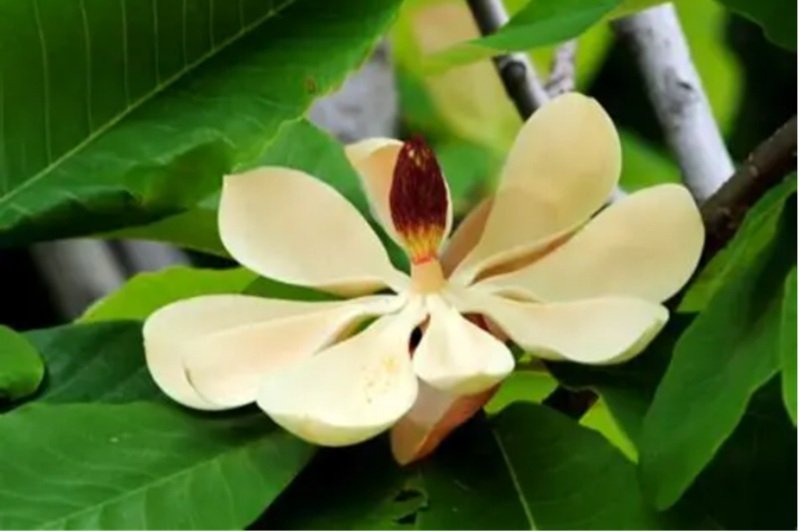
For many, the name “magnolia” evokes images of sprawling trees adorned with elegant, fragrant blossoms. However, one species, Magnolia officinalis, holds a secret within its bark that transcends its ornamental beauty. This bark is a reservoir of powerful, bioactive compounds that have captured the attention of the scientific community for their wide-ranging therapeutic potential.
The intrigue lies not in a single magic bullet, but in a synergistic duo of natural compounds that drive its benefits: magnolol and honokiol.
The Science of Extraction: Unlocking the Bark’s Potential
The beneficial components within Magnolia officinalis bark are lipophilic, meaning they are soluble in oil. This property is key to its modern application. While traditional methods involved steeping the bark in oil to create therapeutic extracts, contemporary manufacturing uses advanced techniques like supercritical CO2 extraction to obtain highly concentrated, standardized formulations. These processes efficiently isolate magnolol and honokiol, ensuring potency and consistency in modern supplements.
A Closer Look at the Key Bioactive Compounds: Magnolol and Honokiol
Magnolol and honokiol are structural isomers—they share the same molecular formula (C18H18O2) but have different atomic arrangements. This slight difference influences their biological activity and potency, allowing them to work in complementary ways.
Extensive research has illuminated their multifaceted mechanisms of action, which include:
- Promoting Calm and Supporting Sleep
One of the most well-studied effects of magnolol and honokiol is their interaction with the brain’s GABA (gamma-aminobutyric acid) system. They act as positive allosteric modulators of GABA-A receptors. In simpler terms, they enhance the effect of GABA, the brain’s primary calming neurotransmitter, without overstimulating the receptors. This mechanism helps to ease feelings of stress and support restful sleep, offering a naturally derived approach to managing everyday tension.
- Modulating the Inflammatory Response
Chronic inflammation is a known contributor to many health concerns. Both magnolol and honokiol have demonstrated significant anti-inflammatory properties in laboratory studies. They appear to work by inhibiting key signaling pathways, such as NF-κB, which regulates the expression of pro-inflammatory genes. This scientific evidence supports its investigation for supporting joint comfort and overall cellular health.
- Supporting Gastrointestinal Comfort
For those experiencing occasional bloating or abdominal discomfort, magnolia bark may offer relief. Research suggests that magnolol and honokiol can support healthy gastrointestinal motility and possess antimicrobial properties that may help maintain a balanced gut environment. This dual action can contribute to reduced feelings of fullness and digestive ease.
- Exploring Neuroprotective and Cellular Health Pathways
The potential of these compounds, particularly honokiol, extends to protecting neurological health. Honokiol has a demonstrated ability to cross the blood-brain barrier efficiently, making it a compound of significant interest for research into cognitive function. Furthermore, both magnolol and honokiol are the subject of ongoing scientific investigation for their role in supporting healthy cell cycle regulation.
Considerations for Use
Magnolia officinalis bark is available in various forms, including standardized capsules, tinctures, and powdered bark.
Who Should Avoid Using Magnolia officinalis?
- Individuals with Qi Deficiency Constitution: Magnolia officinalis is warm in nature and has the effect of directing qi downward. Those with a qi-deficient constitution already experience insufficient qi and blood. Using Magnolia officinalis may further deplete qi and blood, leading to symptoms such as fatigue and shortness of breath.
- Pregnant Women Should Avoid Use: Magnolia officinalis has relatively strong medicinal effects. Its use by pregnant women may affect fetal health, particularly during early pregnancy, and should be avoided as much as possible.
- Breastfeeding Women Should Use with Caution: Components of Magnolia officinalis may be transmitted to infants through breast milk. Breastfeeding women should consult a doctor before use to avoid potential adverse effects on the infant.
- Individuals with Deficiency-Fire Flaring Upward: Magnolia officinalis is warm and drying. If there is deficiency-fire rising in the body, manifesting as symptoms like dry mouth, sore throat, or constipation, using Magnolia officinalis may exacerbate these symptoms.
- Individuals with Bleeding Disorders: Magnolia officinalis has the effect of promoting blood circulation. Its use by individuals with bleeding disorders may worsen their condition.
- Individuals with Spleen and Stomach Deficiency-Cold Should Use with Caution: Although Magnolia officinalis can warm the middle and regulate qi, for those with spleen and stomach deficiency-cold, it may increase the burden on the spleen and stomach, leading to aggravated symptoms such as indigestion.
Conclusion
Magnolia officinalis is a profound testament to nature’s pharmacy. The ongoing investigation of magnolol and honokiol continues to highlight their broad therapeutic potential—from fostering mental calm and combating inflammation to protecting our digestive and neurological well-being.