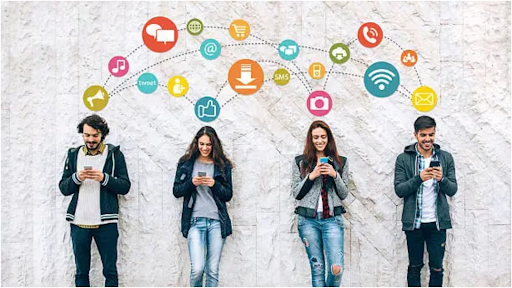
Social media has long been the digital heartbeat of younger generations, shaping identities, friendships, and global conversations. For Gen Z, who grew up in a hyperconnected world, platforms like Instagram, TikTok, and Snapchat were once essential spaces for self-expression and connection. However, a surprising trend has emerged, Gen Z is leaving social media faster than any previous generation.
This shift is not about temporary digital detoxes but a deeper reevaluation of online culture and its effects on mental health, authenticity, and real-world relationships. Let’s explore what’s driving this generational departure and what it means for the future of online interaction.
1. The Rise of Digital Fatigue
Gen Z has been online since childhood. They have witnessed the rapid evolution of social media , from the early excitement of sharing photos and memes to the endless scrolls of algorithms that now dictate much of what they see. Over time, this constant exposure has created digital fatigue. Many users report feeling mentally drained from the pressure to stay active and relevant.
Platforms that were once spaces for creativity have turned into arenas of comparison and competition. The endless flow of content, advertisements, and updates leaves little room for genuine rest. Notifications, likes, and comments are no longer exciting but exhausting. This burnout pushes many Gen Z users to delete apps, set strict screen-time limits, or replace social scrolling with offline hobbies. They are learning that being “always online” doesn’t equate to being truly connected.
2. The Quest for Authenticity
One of the most defining traits of Gen Z is their desire for authenticity. Unlike previous generations who embraced polished online personas, Gen Z prefers realness over perfection. However, social media platforms thrive on filters, curation, and performance. The constant pursuit of aesthetic feeds and viral content often clashes with their longing for honesty and imperfection.
As a result, many young people feel that social media has become too fake. They are tired of seeing influencers promote unrealistic lifestyles or brands using “relatability” as a marketing tool. The line between genuine connection and self-promotion has blurred. Some users even move to smaller, niche platforms or private group chats where they can interact without feeling judged.
This desire for authenticity extends beyond personal expression. Gen Z wants transparency from creators, brands, and peers. They value vulnerability and honesty over curated perfection. Ironically, the very platforms built to “connect” people have made true connections harder to find.
3. Mental Health Takes Center Stage
Perhaps the most significant reason behind Gen Z’s exit from social media is mental health. Multiple studies show that excessive social media use can increase anxiety, depression, and loneliness , issues already prominent among young people. The endless cycle of comparison, the pressure to gain followers, and the fear of missing out (FOMO) take a toll on emotional well-being.
Gen Z is more open than previous generations about discussing mental health. Many are taking proactive steps to protect their peace by stepping away from toxic digital spaces. For them, mental stability is more important than social validation. Some have replaced their scrolling habits with mindfulness practices, journaling, or spending more time outdoors.
Even influencers , once at the center of online attention , are speaking up about burnout and the importance of taking breaks. This growing awareness signals a healthy cultural shift where self-care is prioritized over online popularity.
4. The Algorithm Dilemma
Social media algorithms are designed to keep users hooked, showing content that aligns with their interests , or, more accurately, what triggers engagement. Over time, these algorithms can create echo chambers, showing the same types of content repeatedly and amplifying negative emotions or controversial topics.
Gen Z is increasingly aware of this manipulation. They recognize that algorithms can shape opinions, distort reality, and even affect self-esteem. For instance, young users who consume fitness or beauty content might find their feeds flooded with unrealistic body images. Others who engage with political or social justice posts may see only one-sided narratives.
This realization makes many Gen Z users feel uncomfortable. They no longer want to be passive consumers of algorithmic feeds. Instead, they’re seeking more control over what they see , or choosing to disengage entirely. Alternative online spaces, such as forums and communities that focus on real conversations rather than engagement metrics, are becoming more appealing.
5. Redefining Connection in the Digital Era
As Gen Z steps away from mainstream social platforms, they are redefining what it means to be “connected.” Real friendships, community engagement, and face-to-face conversations are gaining new importance. Interestingly, this generation is not anti-technology; they simply want healthier and more meaningful digital experiences.
Some have shifted to smaller online spaces that feel more personal. Platforms like Discord and Reddit allow users to connect based on shared interests rather than social validation. Others are turning to private messaging apps or closed communities where authenticity is valued over aesthetics.
This transition reflects a broader cultural evolution. Social media is no longer the default space for identity building or social interaction. Instead, Gen Z is carving out a hybrid world where digital tools support, rather than dominate, human connection. Communities such as internet chicks highlight how smaller, purpose-driven networks can create genuine engagement without the noise and pressure of mainstream platforms.
6. The Shift Toward Digital Minimalism
Digital minimalism , the idea of using technology with intention , is becoming a guiding philosophy for many Gen Z individuals. Rather than deleting the internet from their lives, they are learning to engage with it consciously. This means uninstalling unnecessary apps, limiting screen time, or using social media solely for learning and creativity rather than comparison.
This shift reflects maturity and awareness. It shows that Gen Z is not rejecting technology but redefining its role. They understand the importance of balance , using digital tools to enhance life, not control it. By embracing minimalism, they are reclaiming their time, focus, and sense of self from the attention economy.
Conclusion
Gen Z’s decision to quit social media is not a rebellion but a reflection of growing digital wisdom. They have lived through both the benefits and pitfalls of constant connectivity and are now choosing intentionality over impulsivity. The movement away from social platforms signals a powerful shift in values , from validation to authenticity, from comparison to well-being, and from passive consumption to meaningful connection.
As the digital landscape continues to evolve, this generation is leading the conversation on how technology should serve humanity , not the other way around. Social media may have shaped Gen Z’s youth, but it won’t define their future. Instead, they’re writing a new narrative, one grounded in balance, authenticity, and self-awareness.