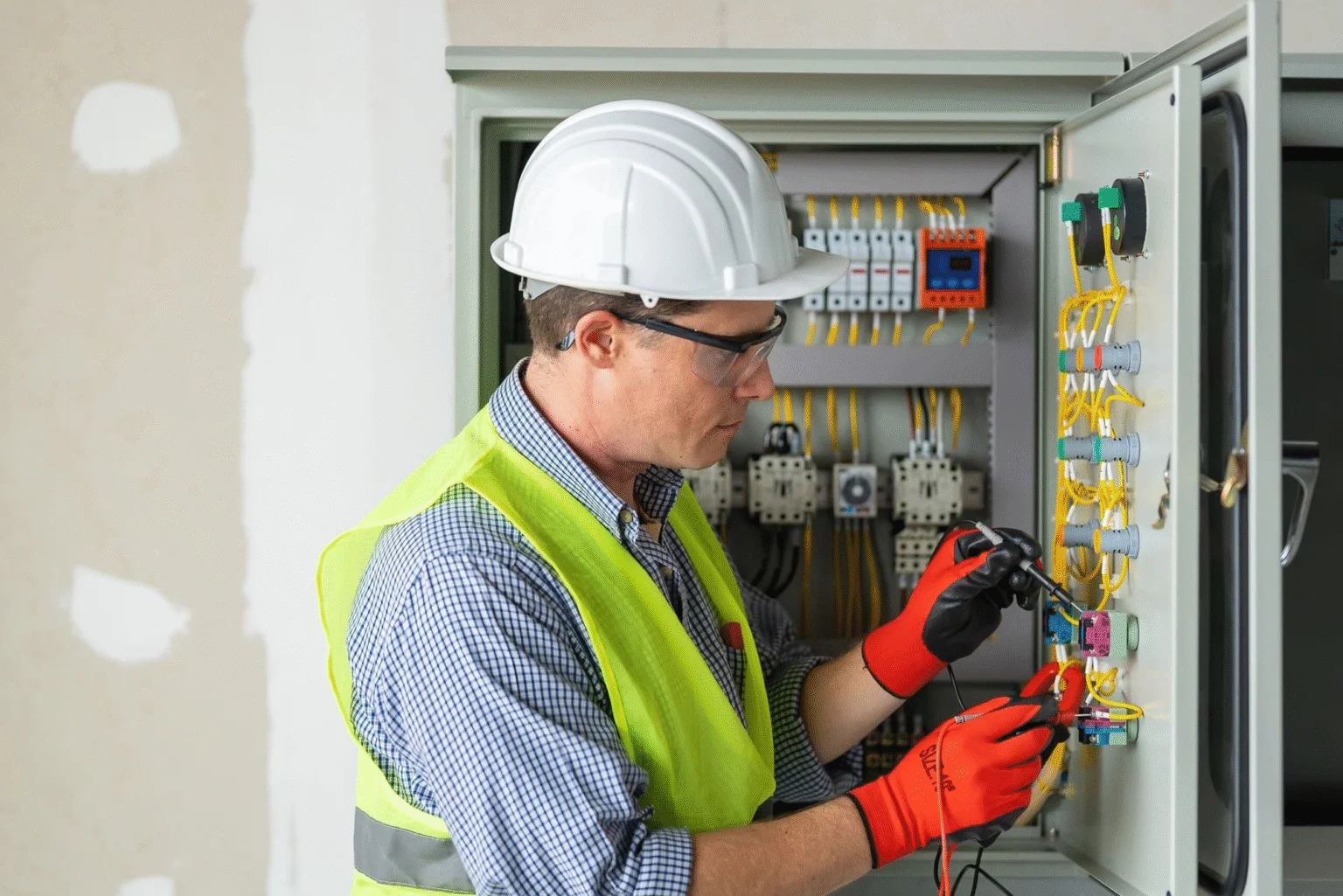
The landscape of electrical safety is undergoing a profound transformation, driven by the combined forces of rapid technological advancement and increasingly stringent regulatory requirements. As urban centers expand and modern buildings rely more heavily on complex electrical systems to support smart technologies, renewable energy solutions, and high-powered appliances, the risks associated with electrical faults have also increased. This has made a modernized, proactive approach to electrical safety more critical than ever, particularly in densely populated cities where a single fault can have widespread consequences. In this context, formal assessments such as an EICR Certificate have become essential tools for identifying potential hazards, ensuring that installations meet current safety standards, and providing documented assurance of compliance.
This paradigm shift goes beyond merely meeting legal obligations; it represents a broader commitment to embedding safety into the very fabric of how electrical systems are designed, maintained, and operated throughout their lifecycle. Regular inspections and testing, especially in metropolitan areas, play a vital role in preventing electrical failures, fires, and costly disruptions. Services such as EICR London highlight the growing emphasis on localized, expert-led electrical condition reporting that reflects the unique demands of urban infrastructure. By prioritizing thorough evaluation, timely maintenance, and certified compliance, modern electrical safety practices aim not only to protect property and lives but also to support sustainable, resilient cities built for the future.
Technology and Regulation
At the heart of this transformation lies the intersection of advanced technology and comprehensive regulation. Innovations such as smart monitoring systems, sophisticated fault detection devices, and automated safety controls are reshaping how electrical installations are managed and protected. Meanwhile, governments and regulatory bodies are updating standards to reflect these technological advances, tightening requirements to safeguard people and property better.
One of the practical outcomes of these changes is the increased focus on Electrical Installation Condition Reports (EICRs), a fundamental element in assessing the safety and integrity of electrical systems. The eicr certificate cost has emerged as a consideration for property owners and landlords, who must now balance the expense with the undeniable benefits of preventing potentially catastrophic incidents. This price is often viewed as an investment rather than a mere expenditure, reflecting the critical importance of regular inspections in reducing risks and maintaining compliance with newly enforced guidelines.
EICR’s Critical Role in Modern Safety Culture
The Electrical Installation Condition Report functions as a proactive tool that identifies wear, damage, or faulty wiring before accidents occur. With regulatory bodies mandating more frequent inspections, particularly for rental properties and commercial spaces, the EICR is becoming a central pillar of urban electric safety strategies. These reports provide detailed assessments that inform necessary remediation, helping landlords meet their legal obligations while enhancing occupant safety.
The focus on EICRs represents a broader shift toward preventive maintenance and early risk detection enabled by data-driven technology. Property managers, armed with timely and precise information, can act swiftly to address hazards. This approach contrasts sharply with past practices, which often relied on reactive measures only after an incident occurred. Moreover, the increasing availability of cost-effective inspection technologies is reducing the overall compliance burden, making it more accessible and practical across a range of properties.
Integration of Smart Technologies
Advancements in technology are not limited to inspection; they extend into how electrical systems are continuously monitored and controlled. Smart sensors and Internet of Things (IoT) devices now allow real-time tracking of electrical loads, temperature anomalies, and circuit irregularities. Such systems can detect faults early, trigger automatic shutdowns, and alert maintenance teams before danger escalates. These capabilities significantly enhance safety, reduce downtime, and optimize energy use, contributing to smarter, more resilient urban infrastructure.
Additionally, technological progress has led to the widespread adoption of Residual Current Devices (RCDs), Arc Fault Detection Devices (AFDDs), and Surge Protection Devices (SPDs). These components work together to prevent electric shocks, reduce the risk of electrical fires, and protect sensitive equipment from voltage spikes. Regulatory frameworks increasingly mandate these devices, making them standard in new installations and essential upgrades in existing infrastructure.
Regulatory Updates Driving Change
The regulatory environment surrounding electrical safety has intensified in recent years, reflecting lessons learned from accidents and evolving urban demands. In particular, new laws have extended mandatory inspection intervals, tightened compliance for landlords, and introduced harsher penalties for negligence. For instance, in many cities, rental properties must now present valid and up-to-date EICRs issued by certified electricians, ensuring a consistent safety baseline.
This regulatory evolution acknowledges the complex reality of aging building stock and the proliferation of new electrical technologies, such as electric vehicle (EV) charging points and renewable energy systems. Legislators recognize that traditional inspection and maintenance models require modernization to accommodate emerging risks and technological integration. As a result, compliance is no longer a static task but an ongoing process supported by digital tools and continuous education efforts.
Economic and Social Implications
The financial aspect of this power shift cannot be ignored. While there is an upfront cost associated with obtaining an EICR certificate, many stakeholders now see it as a preventive investment that protects assets and lives. Insurance providers increasingly require proof of compliance before issuing or renewing policies, linking inspection rigor directly to financial risk management.
Beyond economics, the cultural shift engendered by these changes contributes to more informed and empowered property owners, tenants, and managers. Awareness campaigns and training initiatives have enhanced understanding of electrical hazards, promoting safer behaviors and encouraging proactive safety measures. This cultural transformation complements technological and regulatory tools, creating an integrated approach to electric safety.
Preparing for the Future
Looking ahead, the trend towards digitization and automation in electrical safety is expected to accelerate. Emerging technologies such as artificial intelligence (AI) and machine learning promise to enhance predictive maintenance by analyzing historical data and identifying patterns that precede failures. Coupled with smart grid developments and increased electrification of transportation and heating, the electric safety ecosystem is becoming more complex yet more robust.
Cities that embrace this power shift will benefit from reduced risk profiles, improved public safety, and greater resilience against electrical failures. This holistic approach, blending regulation, technology, and culture, sets a new standard for how urban electrical systems are managed—turning compliance from a bureaucratic requirement into a shared societal value.