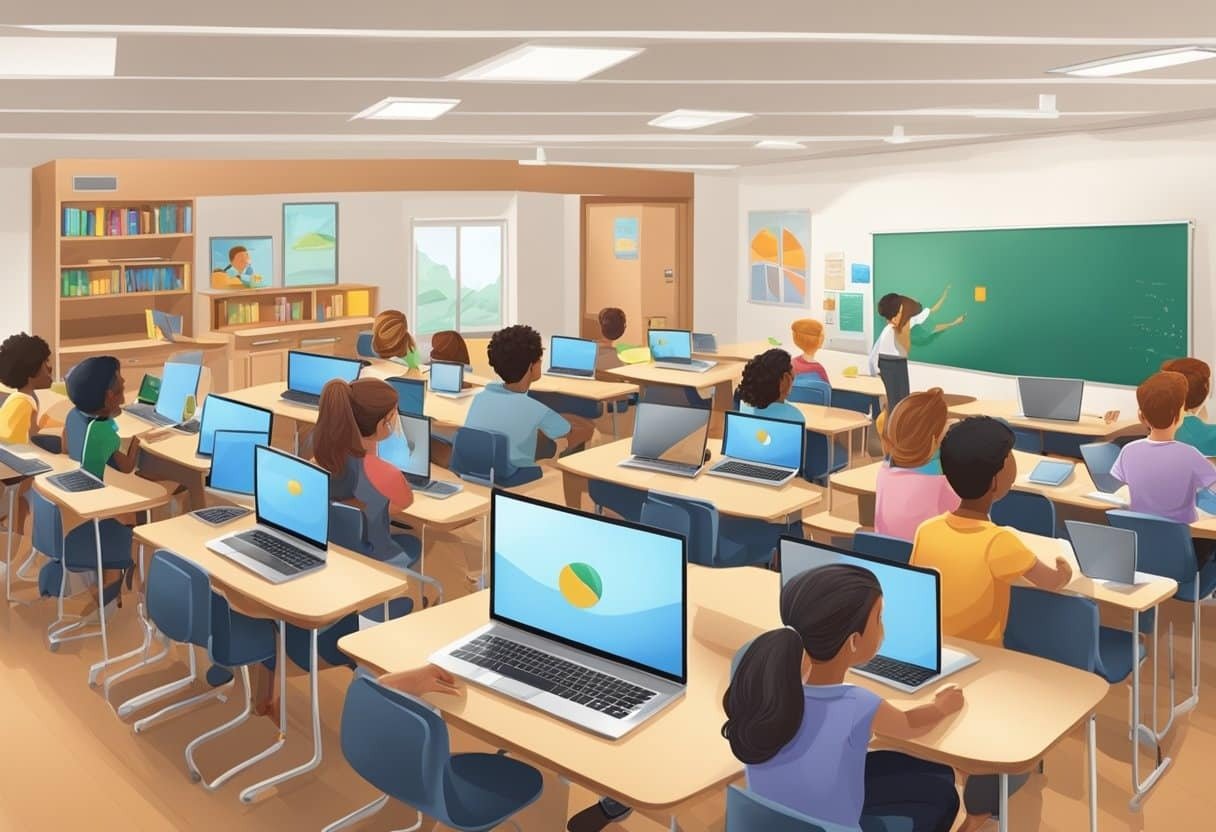
In today’s rapidly evolving educational landscape, teachers are constantly searching for innovative ways to engage young minds and make learning more accessible. One particularly effective method gaining popularity in classrooms across the country involves incorporating kids animated shows into lesson plans. These colorful, character-driven programs offer unique opportunities to reinforce academic concepts while capturing students’ attention in ways traditional teaching methods sometimes cannot.
The strategic integration of animated content by experienced educators represents a bridge between entertainment and education—a space where children can absorb important lessons while enjoying stories that resonate with their developing worldviews. Research indicates that when teachers thoughtfully select and utilize kids animated shows as supplementary materials, students often demonstrate improved retention of key concepts and increased classroom participation. This phenomenon isn’t surprising when we consider how animation combines visual stimulation, engaging narratives, and memorable characters to create learning experiences that children genuinely look forward to.
The science behind this educational approach is compelling. Young learners process information differently than adults, often relying heavily on visual cues and emotional connections to anchor new knowledge. Animated content excels at providing these exact elements, offering colorful visual representations of abstract concepts while wrapping them in stories that generate emotional investment. When educators recognize and harness this power, they transform passive screen time into active learning opportunities.
Effective implementation requires more than simply playing cartoons in the classroom, however. Successful integration of animated content demands thoughtful selection, contextual framing, and follow-up activities that reinforce the targeted learning objectives. For example, a kindergarten teacher might use episodes from “Daniel Tiger’s Neighborhood” to introduce emotional intelligence concepts, pausing at strategic moments to discuss characters’ feelings and potential alternative responses to challenging situations.
Similarly, elementary school educators often find value in programs like “The Magic School Bus” or “Wild Kratts” to supplement science curriculum. These shows visualize microscopic processes or animal behaviors that would otherwise remain abstract or inaccessible to young learners. By providing these visual references, teachers create mental anchors that students can attach new information to as their understanding deepens through traditional instruction and hands-on experiments.
Mathematics instruction has also benefited significantly from animated reinforcement. Shows like “Cyberchase” and “Odd Squad” demonstrate mathematical problem-solving in context, helping children recognize the practical applications of numerical concepts they might otherwise view as abstract or irrelevant. Teachers who incorporate clips from these programs often report increased student engagement with mathematical challenges and improved ability to approach problems from multiple angles.
Language arts instruction similarly benefits from thoughtful animation integration. Programs focusing on phonics, vocabulary development, and storytelling structures provide valuable reinforcement for literacy skills. Many educators have observed that when students connect with animated characters who model reading enthusiasm or overcome literacy challenges, their own motivation to master reading skills often increases dramatically.
Cultural education represents another area where animated content offers unique advantages. Through age-appropriate animated stories from diverse cultural traditions, teachers can introduce students to global perspectives in accessible, engaging ways. This exposure helps develop cultural sensitivity and awareness far more effectively than abstract discussions alone could accomplish, particularly for younger learners who benefit from concrete representations.
Critical thinking skills also develop through guided engagement with animated content. When teachers pause shows to ask predictive questions or discuss characters’ decisions, they help students develop analytical frameworks that transfer to other learning contexts. Many educators create viewing guides with prompts that encourage students to evaluate information, consider alternative viewpoints, and articulate evidence-based opinions about the content they’re watching.
Professional development increasingly addresses effective integration of media in education, with specialized training helping teachers select high-quality animated content aligned with curriculum standards. Educational consultants often emphasize the importance of preview screening, preparing contextualizing discussions, and designing follow-up activities that extend learning beyond the viewing experience. This comprehensive approach transforms what might otherwise be passive entertainment into scaffolded educational experiences.
Parent communication represents another important aspect of successful animation integration. When teachers explain their pedagogical rationale for incorporating specific animated content and suggest ways families might extend these learning connections at home, they create valuable educational continuity. Many educators provide parents with discussion prompts related to classroom viewing selections, encouraging conversations that reinforce key concepts while strengthening school-home partnerships.
Assessment considerations also factor into effective implementation strategies. Rather than treating animated content as a reward or time-filler, pedagogically sound approaches include evaluating how well students absorb and apply the concepts presented. This might involve creative projects, discussions, or traditional assessments that measure comprehension and application of the targeted learning objectives.
Technology integration challenges sometimes present obstacles, particularly in under-resourced schools. However, innovative educators often find solutions through educational technology grants, shared resources, or strategic use of limited viewing equipment. The educational value of thoughtfully selected animated content often justifies the effort required to overcome these logistical challenges.
The future of education will likely see increasingly sophisticated integration of animated content, with augmented reality and interactive elements creating even more immersive learning experiences. Forward-thinking educators are already exploring these emerging technologies, recognizing their potential to engage students who have grown up in a media-rich environment. As these tools develop, the thoughtful pedagogical foundations established by today’s teachers will guide their implementation.
Ultimately, the most successful educational approaches balance traditional instruction with innovative methods, including strategic use of animated content. By recognizing animation’s unique capacity to engage young minds while conveying important concepts, educators create more dynamic, effective learning environments that prepare students for future success.
