Do you ever walk into a room and wish it felt bigger, brighter, and more welcoming even if it’s tiny? Small-space living can actually become an advantage, not a limitation, when you decorate it thoughtfully. With Online Home Essentials in mind, here are fresh and practical home decor tips that help small spaces feel smart, stylish, and spacious.
Why small spaces are special
Small spaces may look cozy, but they can also feel cramped or cluttered if not decorated carefully. The trick is to treat every nook as an opportunity, not a problem and make each piece of furniture and decor work hard for you. The goal isn’t to hide the space, but to highlight what’s good about it while minimizing what’s not. With intentional home decor, you can make a tiny room feel open, stylish, and personal.
Smart design principles for small spaces
Declutter and define purpose
Before you even think about decorating, take a good look at what you own. Decluttering is more than tidying it’s deciding which items deserve a place in your home. When fewer things are left out, each item you keep becomes more intentional. Design experts often say: everything in a small home should earn its place.
Once you’ve cleared out the extras, assign a purpose to each zone for example, reading, working, relaxing or storage. That way, you don’t end up with a jumble of furniture and mismatched home decor items in one corner.
Use vertical space and floating elements
When floor space is limited, look upward. Wall-mounted shelves, floating desks, and high storage free up the ground and draw the eye up, making the room feel taller. Wall lights or sconces, instead of floor lamps, also help keep floor space clear.
If possible, install built-ins or window seating with hidden storage. These become dual-purpose design features places to sit and places to store things.
Style tricks to visually expand the room
Let light in and reflect it
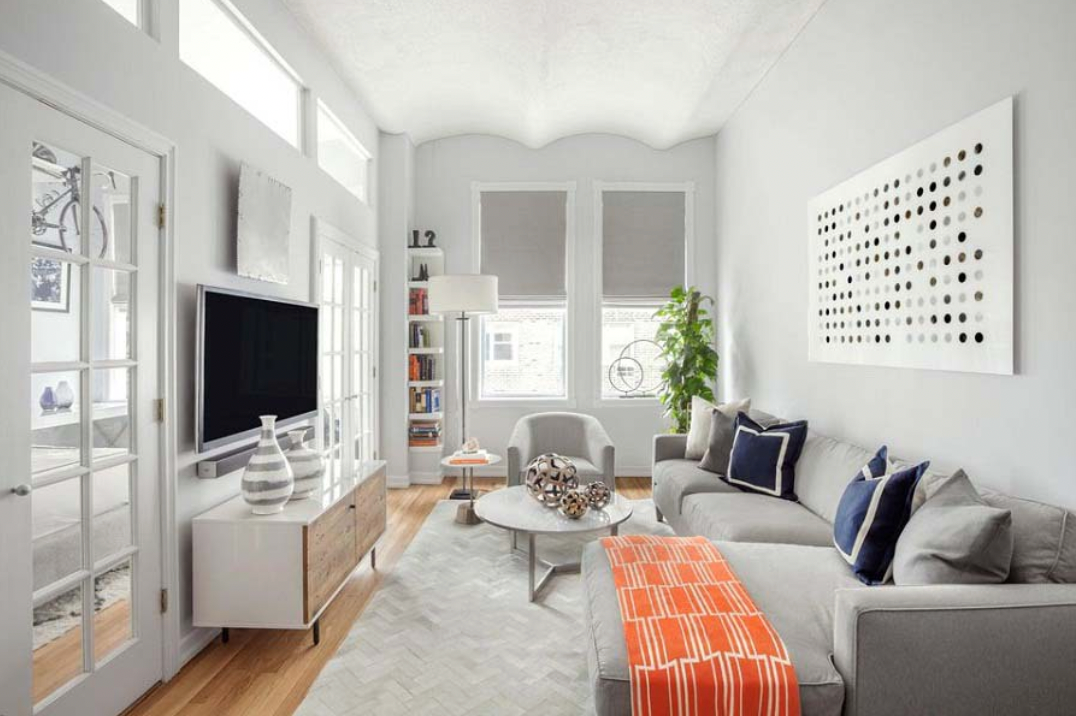
Natural light is gold in a small room. Whenever possible, keep windows unobstructed or use sheer or light linen curtains so daylight can flood in. This simple change alone can make a room feel airier and larger.
Mirrors are another essential tool they reflect light, create depth, and give the illusion of more space. A well-placed mirror can turn a cramped corner into a brighter, more open one.
Pick the right colours and keep them consistent
That said, don’t shy away from using bold or dark colours if they reflect your style they can make a small room feel rich and cozy rather than boxed in, if used in the right way. If you’re considering a more extensive transformation, why not start your Gainesville kitchen renovation to create a cohesive and stylish space that complements your home’s decor?
Colour can make or break a tiny room. Choosing a harmonious palette whether monochromatic, light tones, or a consistent accent colour helps unify the space. When colours flow naturally from one area to another, small rooms feel more connected and less cluttered.
That said, don’t shy away from using bold or dark colours if they reflect your style they can make a small room feel rich and cozy rather than boxed in, if used in the right way.
Choosing furnishings and decor for small rooms
Choose multi-purpose and compact furniture
When thinking about furniture, always ask: “Can it do more than one thing?” Convertible pieces like ottomans with storage, fold-down desks, Murphy beds, or benches that open up help save space and reduce clutter.
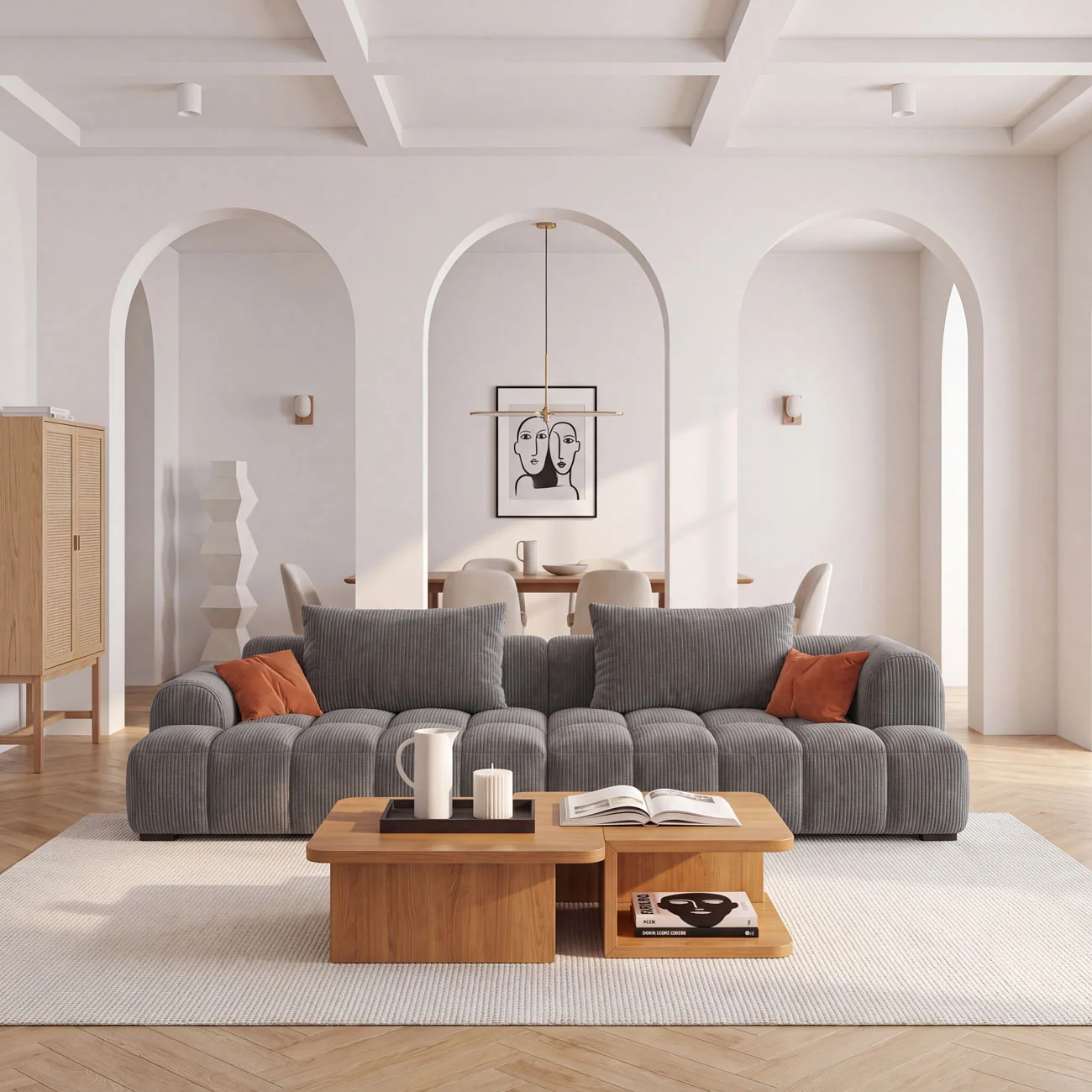
Also, look for slimmer or more visually lightweight furniture: pieces with exposed legs, track arms, or open space underneath help keep the room feeling open. Avoid bulky, deep sofas or heavy items that eat up visual space.
Add personality but don’t overcrowd
Decorating a small space doesn’t mean living in a blank box. You can and should include art, textiles, rugs, plants, and personal items to make the space feel like your home. But the key is to do it sparingly and thoughtfully. Choose a few standout items rather than lots of tiny trinkets. This helps your home decor feel intentional and curated, not cluttered.
Quick bullet-point checklist for smart small-space decor:
- Use floating or foldable furniture and items with hidden storage
- Opt for consistent color flows and reflective surfaces like mirrors
Final Thoughts:
At the end of the day, the best small spaces tell the story of the people who live there. Decorating smartly means combining thoughtful design, clever storage, and personal flair. It means asking, “How can I make this corner useful?”, “What’s essential here?”, and “Does this chosen piece earn its place?”
When you approach home decor with intention and creativity, even the tiniest room becomes a delightful, functional and beautiful space. Small space living isn’t about compromise it’s about creativity.
FAQs
Q1: Can a dark paint colour ever work in a small room?
Yes if used thoughtfully, dark or bold colours can make a small room feel cozy and refined instead of making it seem cramped. Pair darker walls with good lighting, mirrors, and uncluttered decor to prevent a heavy feeling.
Q2: How do I avoid clutter in a small home while still decorating?
Start by decluttering and giving everything a purpose. Then decorate with fewer but meaningful items. Choose decor pieces that serve a purpose (like storage baskets or trays) or echo your chosen color palette so your home decor feels cohesive and tidy.
Q3: What kind of furniture works best in a tiny living room or bedroom?
Multi-purpose furniture is ideal like storage ottomans, foldable tables, Murphy beds, or benches with hidden compartments. Slim or visually light furniture (with legs, open space underneath or minimal depth) also keeps the room feeling open.