Introduction
The food and beverage industry has always been a hub of innovation, constantly evolving to meet the needs of modern consumers. Among the latest advancements is the concept of the smart kitchen, a technology-driven approach to food preparation and service. It combines connectivity, automation, and artificial intelligence to make cooking more efficient, safer, and enjoyable. As lifestyles become increasingly fast-paced, the integration of smart devices in kitchens is no longer just a luxury but a necessity for both homes and businesses.
What Defines A Smart Kitchen
A smart kitchen is a space equipped with devices, appliances, and systems that are connected through the internet or smart technologies. These tools are designed to communicate with each other, offering remote monitoring, voice control, energy efficiency, and automated functions. From smart refrigerators that track inventory to ovens that adjust cooking times automatically, the concept aims to reduce human error and save time.
Benefits Of A Smart Kitchen
The benefits of adopting a smart kitchen extend beyond convenience. For households, it means healthier eating, improved safety, and cost savings. For restaurants and the food and beverage industry, it can improve workflow, minimize waste, and enhance customer satisfaction.
Convenience And Efficiency
One of the most notable advantages is convenience. With smart appliances, individuals can start preheating an oven from their smartphone or smart kitchen receive notifications when groceries are running low. These features allow users to multitask and manage their time better.
Energy And Cost Savings
Smart appliances are designed to operate more efficiently. For example, energy-efficient dishwashers and ovens reduce utility bills while minimizing environmental impact. Businesses in the food sector can also track energy usage and optimize operations to lower costs.
Improved Safety
Modern smart kitchens integrate safety features such as automatic shut-off, smoke detection, and alerts for malfunctioning appliances. These safeguards help prevent accidents that are common in traditional kitchens.
Healthier Eating
Some smart devices are designed to suggest recipes based on available ingredients or track calorie intake. This supports individuals in maintaining healthier diets while making cooking more enjoyable.
Smart Kitchen In The Food And Beverage Industry
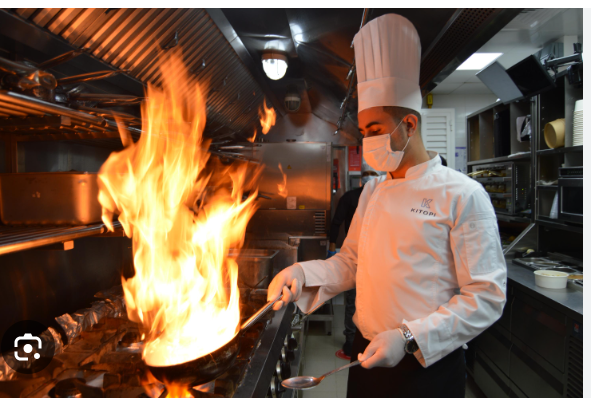
The food and beverage industry has been quick to adopt smart kitchen technology. Commercial kitchens equipped with smart systems can handle large volumes of orders with better speed and accuracy. For instance, automated fryers, connected ovens, and inventory management software ensure smooth operations.
Restaurants also benefit by reducing food waste. Smart refrigerators track stock levels and send alerts before items expire, helping businesses maintain quality while cutting unnecessary costs. Additionally, real-time data analytics from smart systems provide valuable insights into consumer behavior and menu optimization.
Examples Of Smart Kitchen Appliances
The rise of smart appliances has revolutionized everyday cooking. Some common examples include:
- Smart refrigerators: Monitor food freshness and create shopping lists.
- Smart ovens: Adjust cooking times and temperatures automatically.
- Smart dishwashers: Operate with minimal water and energy usage.
- Smart coffee makers: Brew coffee according to preset preferences.
- Voice-controlled assistants: Help in managing tasks hands-free.
These devices are designed not just for convenience but also for making cooking and dining experiences seamless and enjoyable.
The Role Of Artificial Intelligence In Smart Kitchens
Artificial intelligence plays a vital role in advancing the smart kitchen concept. AI-driven systems can recommend personalized recipes, suggest healthier substitutes, and even analyze cooking patterns to improve efficiency. For restaurants, AI can forecast demand, manage supply chains, and assist in staff scheduling, all contributing to smoother operations.
Challenges Of Implementing A Smart Kitchen
Despite the many benefits, challenges exist in adopting a smart kitchen. The high initial investment is a barrier for many households and small businesses. There are also concerns about cybersecurity since connected devices can be vulnerable to hacking. Additionally, not all users are tech-savvy, which creates a learning curve in operating advanced appliances.
The Future Of Smart Kitchens
The future looks promising as technology continues to evolve. Upcoming innovations may include fully automated cooking systems, robotic assistants, and advanced food scanners capable of analyzing nutrition instantly. As costs decrease and adoption widens, the smart kitchen will likely become a standard in both households and commercial establishments.
Conclusion
The concept of the smart kitchen is reshaping how people cook, eat, and manage food resources. By offering convenience, efficiency, and safety, it addresses the challenges of modern lifestyles while improving overall quality of life. For the food and beverage industry, it brings opportunities to reduce waste, cut costs, and enhance customer experiences. While challenges remain, the rapid pace of technological innovation ensures that the smart kitchen will play a crucial role in the future of dining.