Whether you’re a competitive athlete or someone who plays for fun, staying injury-free is crucial. Sports injuries can be frustrating and sometimes debilitating, keeping you from the activities you love. Fortunately, sports physical therapy offers a direct path to recovery, helping athletes heal faster, move better, and return stronger.
Understanding Sports Injuries
Sports injuries occur during athletic activities and can affect muscles, ligaments, bones, or joints. These injuries often result from overtraining, poor technique, inadequate warm-up, or unexpected impacts.
While some injuries seem minor at first, delaying care can lead to more serious complications. Early treatment is key to preventing long-term damage and getting back to your sport with confidence.
What Does a sports physical therapist Do?
A sports physical therapist specializes in treating and preventing injuries related to athletic performance. Their goal is not just recovery, but performance restoration and injury prevention. They understand the physical demands of different sports and tailor treatments accordingly.
Unlike general therapists, sports PTs focus on sport-specific movements, helping you regain strength, agility, balance, and coordination tailored to your activity.
Common Sports Injuries Treated
Several injuries are commonly treated through sports physical therapy:
• Shin Splints: Pain along the shin caused by overuse or improper footwear.
• Strains and Sprains: Overstretching muscles or ligaments during sudden or intense movement.
• Knee Injuries: These include ACL tears or repetitive strain that limit movement and cause discomfort. Seeking expert care at the Singapore knee sports and orthopaedic clinic ensures accurate diagnosis and advanced treatment options tailored to your condition.
• Overuse Injuries: Conditions like tendonitis and rotator cuff problems from repetitive motions.
Each of these requires a focused recovery approach and a personalized therapy plan.
Treatment Methods in Sports Physical Therapy
Recovery through sports physical therapy is hands-on and goal-oriented. A treatment plan may include:
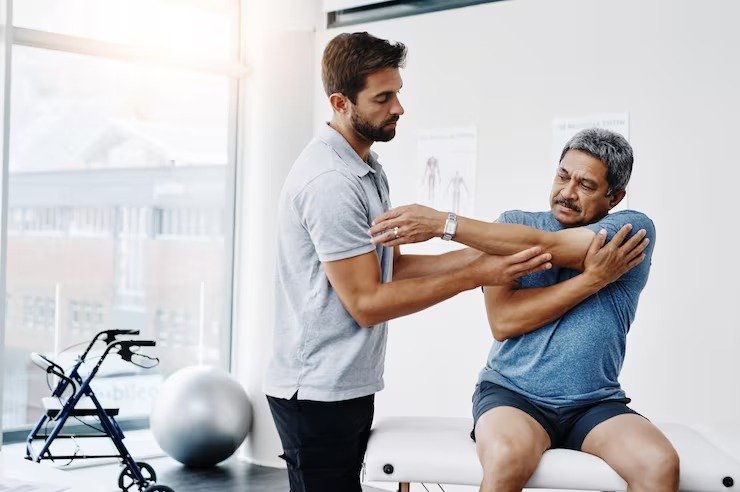
• Manual Therapy: To ease tight muscles, restore joint movement, and reduce scar tissue.
• Strengthening Exercises: To rebuild the injured area and support surrounding muscles.
• Mobility Work: Stretches and drills that improve balance and range of motion.
• Functional Training: Mimics the actions of your sport to prepare your body for a full return.
These techniques help speed up recovery and reduce the chances of future injuries. You can learn more here about different physical therapy techniques that might be useful. A therapist can use specific mobilizations to provide fast relief.
Return to Sport Assessment
Before returning to full activity, many athletes undergo a Return to Sport assessment. This evaluation tests strength, flexibility, control, and endurance. It helps confirm whether your body is ready to perform again safely.
These assessments are especially important for injuries like ACL tears, where re-injury is common if athletes return too early. Testing ensures you’re not just pain-free — you’re performance-ready.
Preventing Future Injuries
Sports physical therapy isn’t just about recovery — it’s about prevention too. Therapists identify movement flaws, correct poor technique, and design conditioning programs tailored to your sport.
They also teach warm-up routines, stretching strategies, and recovery techniques that reduce stress on your body and help you stay active longer.
Getting back to your sport doesn’t have to be a waiting game. With the right physical therapy plan, you can return stronger, move better, and lower your risk of future injuries. The sooner you begin, the sooner you’re back in action — doing what you love, pain-free.
Get Back to Your Game Quicker with Physical Therapy Treatments
Subscribe
Login
0 Comments