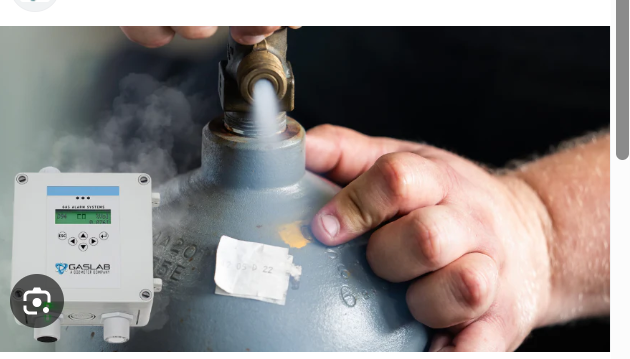
Safety is a top priority in many industries, especially those dealing with flammable and hazardous substances. One of the essential tools used to maintain safety and prevent disasters is the explosive gas detector. These devices help identify the presence of dangerous gases in the environment, allowing timely interventions that protect people, equipment, and property.
What Is an Explosive Gas Detector?
An explosive gas detector is a specialized instrument designed to sense and monitor the concentration of combustible gases in the air. Its primary function is to detect the presence of gases that can ignite or explode when mixed with air in certain proportions. By alerting users to potentially hazardous conditions, these detectors play a critical role in preventing fires and explosions.
How Explosive Gas Detectors Work
Explosive gas detectors use various sensing technologies to identify flammable gases. Some common sensor types include:
Catalytic Combustion Sensors
These sensors detect explosive gases by oxidizing the gas on a heated catalyst, which produces heat and changes the sensor’s electrical resistance. The detector measures this change to determine the gas concentration.
Infrared Sensors
Infrared (IR) sensors detect gas molecules by measuring the absorption of specific wavelengths of infrared light. This technology is useful for detecting gases that absorb IR light strongly and offers good resistance to sensor poisoning.
Semiconductor Sensors
Semiconductor gas sensors operate by detecting changes in electrical conductivity when gases interact with the sensor surface. These sensors are generally affordable and compact but may be less selective.
Each technology has advantages and limitations, so choosing the right type depends on the application requirements.
Common Applications of Explosive Gas Detectors
Explosive gas detectors are widely used across various sectors to maintain safety and comply with regulatory standards.
Industrial Facilities
Factories and plants handling chemicals, petroleum products, or gases rely heavily on these detectors. Monitoring pipelines, storage tanks, and production areas ensures that leaks or gas buildups are quickly identified.
Oil and Gas Industry
This sector deals with highly flammable gases, making reliable gas detection crucial. Explosive gas detectors are deployed on rigs, refineries, and transportation units to detect leaks early.
Mining Operations
Underground mining environments pose unique risks with the presence of combustible gases like methane. Continuous gas monitoring helps protect workers and avoid catastrophic explosions.
Residential and Commercial Buildings
With the increasing use of natural gas and propane in homes and businesses, detectors provide an added layer of security against accidental leaks.
Laboratories and Research Facilities
These environments often use various gases for experiments. Gas detection ensures that hazardous leaks do not go unnoticed.
Key Features to Consider When Choosing Explosive Gas Detectors
Selecting an appropriate explosive gas detector involves evaluating several important factors:
- Detection Range: The device should detect gases within a specific concentration range suitable for the environment.
- Sensitivity: High sensitivity allows the detection of even small leaks.
- Response Time: Fast response is critical to prevent accidents.
- Durability: Devices must withstand environmental factors such as dust, moisture, and temperature extremes.
- Alarm System: Visual and audible alarms alert personnel promptly.
- Power Source: Options include battery-operated, mains-powered, or hybrid systems.
- Maintenance Needs: Ease of calibration and maintenance reduces downtime.
Safety Benefits of Using Explosive Gas Detectors
Incorporating explosive gas detectors into safety protocols offers several advantages:
- Early Leak Detection: Identifying leaks at an early stage prevents dangerous accumulations.
- Accident Prevention: Detecting explosive gases helps avoid fires and explosions.
- Compliance with Regulations: Many safety regulations mandate the use of gas detectors in hazardous environments.
- Protecting Lives and Property: By preventing incidents, detectors safeguard human lives and reduce financial losses.
- Operational Continuity: Avoiding accidents means fewer interruptions and downtime.
Challenges in Gas Detection Technology
While explosive gas detectors are essential, they face certain challenges:
- Sensor Poisoning: Exposure to certain chemicals can degrade sensor performance.
- Cross Sensitivity: Some sensors may react to gases other than their target, causing false alarms.
- Environmental Factors: Dust, humidity, and temperature changes can affect accuracy.
- Calibration Requirements: Detectors need periodic calibration to maintain reliability.
Addressing these issues involves choosing high-quality detectors and maintaining them properly.
Advances in Explosive Gas Detection
Technological progress continues to improve gas detection systems. New developments include:
- Wireless Monitoring: Remote monitoring through wireless sensors allows centralized safety management.
- Smart Sensors: Integration with IoT devices enables real-time data analytics and predictive maintenance.
- Improved Sensor Materials: New sensor materials resist poisoning and improve selectivity.
- Multi-Gas Detection: Devices capable of detecting multiple gases simultaneously enhance safety.
These innovations help create safer and more efficient environments.
Best Practices for Installing and Using Explosive Gas Detectors
To maximize the effectiveness of gas detectors, follow these guidelines:
- Proper Placement: Install detectors near potential leak sources and in well-ventilated areas.
- Regular Testing: Conduct routine tests to verify detector functionality.
- Calibration Schedule: Follow manufacturer recommendations for calibration intervals.
- Training Personnel: Ensure staff understand alarm signals and emergency procedures.
- Maintenance Checks: Perform regular maintenance and replace sensors as needed.
Adhering to these practices ensures detectors perform optimally.
Conclusion
Explosive gas detectors are vital tools for maintaining safety in environments where flammable gases are present. Their ability to provide early warnings helps prevent accidents, protect people, and comply with safety standards. Selecting the right detector, understanding its operation, and maintaining it properly are key steps toward creating a secure workplace or facility. As technology advances, these devices will become even more reliable and integrated into smart safety systems, enhancing protection in the future.