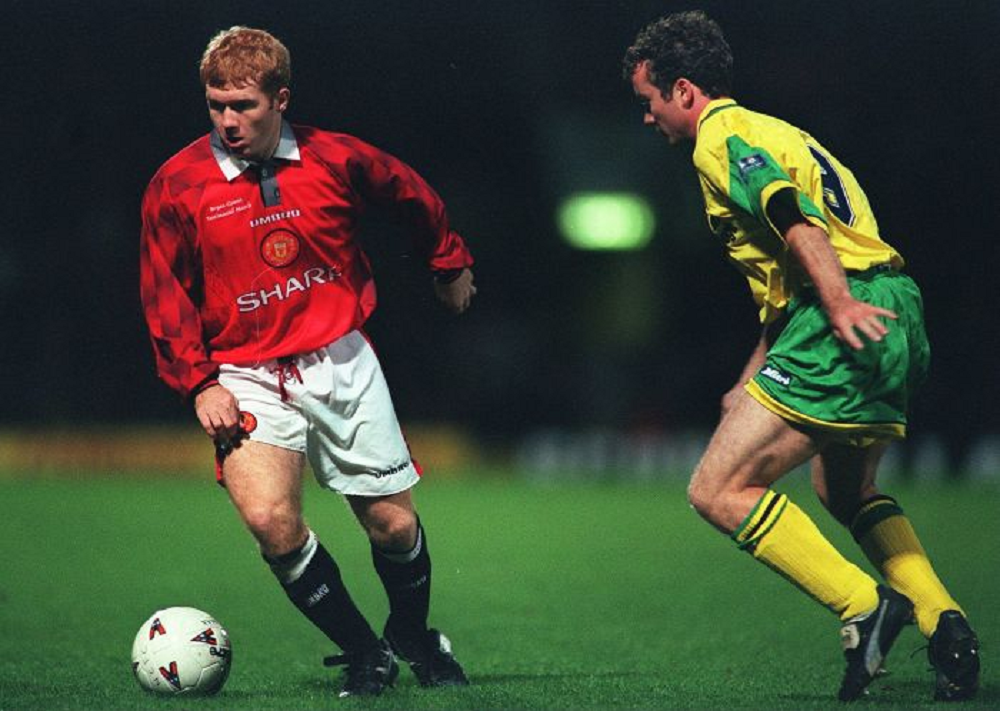
A football kit is more than just clothing; it’s a powerful symbol of identity, a canvas for club history, and a crucial element of player performance. This article, “The Evolution of Football Kits,” delves into how these iconic garments have transformed from heavy wool to high-tech fabrics, charting a journey of style, performance enhancement, and deep cultural identity. From rudimentary designs and natural fibers to cutting-edge materials and sustainable manufacturing, understanding this evolution reveals the intricate blend of fashion, technology, and tradition woven into every thread. To appreciate the design and engineering behind football apparel and manage your football interests, ufa168 เว็บตรง will be a convenient tool for you.
More Than Just Uniforms: A Second Skin and a Statement
Modern football kits are no longer just uniforms; they are a second skin for athletes, meticulously engineered for peak performance, and a powerful statement of allegiance and identity for millions of fans worldwide. They are a fusion of athletic necessity and cultural symbolism.
“The Evolution of Football Kits”: Heavy Wool to High-Tech Fabrics
“The Evolution of Football Kits” highlights how these iconic garments have transformed, charting a journey of style, performance, and identity:
- Early Days: Heavy Wool and Basic Designs (Late 19th Century – Mid 20th Century):
- Natural Fibers: Kits were primarily made from heavy, often itchy, wool or thick cotton. These materials absorbed sweat and rain, becoming incredibly heavy and uncomfortable during matches.
- Simple Aesthetics: Designs were very basic, often just solid colors with minimal detailing, reflecting the nascent stage of football as an organized sport.
- Limited Performance Focus: The emphasis was on durability and covering the body, with little consideration for breathability, weight, or aerodynamics.
- Laced Collars: Many early kits featured laced collars, similar to rugby shirts.
- The Rise of Synthetic Materials and Lighter Fabrics (Mid 20th Century – 1980s):
- Shift to Synthetics: The introduction of synthetic fibers like polyester began to revolutionize kit design. These materials were lighter, more durable, and crucially, absorbed less moisture, making them more comfortable for players.
- Embroidered Badges and Numbers: Club badges and player numbers became more common, often embroidered directly onto the fabric.
- V-Necks and Collars: Design elements like V-necks and more structured collars became popular.
- Early Brand Presence: Sportswear brands like Adidas and Puma began to feature subtly on kits, marking the early stages of commercialization (linking to “The Economics of Football Sponsorship”).
- The Era of Performance Enhancement and Branding (1990s – Early 2000s):
- Advanced Synthetics: Further development in polyester blends led to even lighter, more breathable, and moisture-wicking fabrics, designed to draw sweat away from the skin.
- Bold Designs and Graphics: The 90s saw an explosion of bold colors, geometric patterns, and intricate graphics, reflecting the era’s fashion trends.
- Prominent Branding: Sponsor logos (linking to “The Economics of Football Sponsorship”) and sportswear manufacturer logos became much more prominent on the front of the shirts, turning kits into major commercial assets.
- Fit and Aerodynamics: Kits began to be designed with a more athletic fit, considering aerodynamics and freedom of movement for players (linking to “The Athlete Machine”).
- High-Tech Fabrics, Sustainability, and Personalization (2010s – Present):
- Cutting-Edge Materials: Modern kits utilize highly advanced, lightweight, and breathable fabrics with technologies like “Dri-FIT” or “Climalite” designed to regulate body temperature and maximize comfort.
- Sustainable Manufacturing: A significant shift towards sustainability, with many kits now made from recycled polyester (e.g., from plastic bottles), reflecting a growing environmental consciousness (linking to “The Environmental Impact of Football”).
- Seamless Construction: Advanced knitting techniques reduce seams, minimizing chafing and improving comfort.
- Player-Specific Customization: Elite players often wear kits with subtle customizations based on their preferences or biometric data (linking to “The Future of Football”).
- Digital Integration: Kits are increasingly linked to digital experiences, with QR codes or NFC chips providing access to exclusive content (linking to “The Evolution of the Football Fan Experience”).
- Fan Identity and Collectibles: Kits remain a primary way for fans to show allegiance, driving a massive global market for replica shirts (linking to “The Business of Football Merchandising”). Retro kits also enjoy immense popularity.
Conclusion
“The Evolution of Football Kits” is a fascinating journey that parallels the sport’s own development, showcasing how these iconic garments have transformed from heavy wool to high-tech fabrics, charting a journey of style, performance enhancement, and deep cultural identity. From rudimentary beginnings to sophisticated, sustainably manufactured second skins, every stitch reflects the beautiful game’s relentless pursuit of excellence, both on and off the pitch. As technology continues to advance, the football kit will remain a powerful symbol, seamlessly blending tradition with innovation. To appreciate the design and engineering behind football apparel and manage your football interests, ufa168 เว็บตรง will be a convenient tool for you.