
Today technology is not a luxury but a lifestyle. We are dawn till dusk, wake-up till bed, electronics-based in our struggle to stay updated, stay networked, and stay productive. But technologies we have today represent only the tip of the iceberg. Some of the emerging technologies, which will revolutionize how we will live, work, shop, learn, and stay healthy by 2026, are about to rollout.
These technologies are no science fiction of the distant kind — they’re in the works today at start-ups, research institutions, and technology firms around the world. And the most wonderful thing? They’ll be in your pocket soon.
Introducing five of the most interesting technologies that will be a part of your life in 2026.
1. Artificial Intelligence (AI) 2.0 – More than Chatbots
Artificial Intelligence is progressing at a very rapid pace. Although AI software today like ChatGPT, Siri, and Google Assistant can respond and perform basic tasks, AI 2.0 will be leaps better.
AI in 2026 will:
Be capable of understanding human emotions using voice and face recognition.
Predict your needs ahead of asking (like your favorite food being ready ahead of time).
Help in decision-making based on your daily routine, calendar, and preference.
Sort out your mail, arrange your appointments, and even arrange customer service calls on your behalf.
Real-Life Scenario: You’re planning a holiday. AI 2.0 will just plan out the best dates, track airfares, book hotels, and remind your friends — with a finger never far from you.
Why It Matters: AI will not only free up time for you, fight decision fatigue, and be your virtual 24/7 personal assistant — it’ll not only be a search engine.
2. Augmented Reality (AR) – All Interactive
Augmented Reality (AR) will make the world come alive by superimposing computer information onto your world with your phone or glasses. Already used in games and social media, AR will spread to mass education, shopping, navigation, and medicine.
Top Use Cases by 2026:
Education: See 3D images of planets, the human body, or chemistry reactions in front of your eyes.
Shopping: Shop online and test dress, shoes, makeup, or furniture first at home before buying.
Navigation: AR glasses will offer you step-by-step instructions on the sidewalk while you drive or walk to a location.
Home Repair: AR instructions will give you step-by-step instructions over actual objects for you to follow.
Bonus: Apple, Meta, and Google are all paying for AR glasses — so this tech can start replacing smartphones as our primary digital device sooner rather than later.
3. Smart Wearables – Your 24/7 Health Companion
Smartwatches are already everywhere for monitoring heart rate, sleep, and steps. But smart wearables will do a whole lot more than fitness and health tracking in 2026.
What’s on the Horizon
Smart rings and smart patches to track real-time oxygen, water, and blood glucose levels.
Alert alert using AI in case of atypical sleeping or breathing habits or heart attack.
Wearable garments for temperature monitoring and sitting/standing posture.
Voice-controlled smart glasses, device-integrated health sensors, and in-device translation.
Why It Matters: Your body is a live stream of information, so doctors can diagnose sooner, prevent illness, and provide instant feedback — miles away.
4. Blockchain Beyond Cryptocurrency
We are still all accustomed to thinking about blockchain in terms of Bitcoin or crypto exchanges, but it is applied even more pervasively, as blockchain is a way of constructing tamper-evident open digital systems.
Usage Now until 2026
Digital identity: Your Aadhaar, driving license, and educational certificates can be saved securely in a blockchain chip or e-wallet.
Voting: Online voting on blockchain will secure the elections.
Health records: Your records will be electronically transmitted, safely stored, and error- and delay-free.
Land and property records: Sale of land and acquisition of land will be open, fraud-free and speed-tracked.
Why It Matters: Blockchain will provide trust in digital systems, especially in countries where data tampering and forgery of document production is an unsafe crime.
5. AI-Powered Personalized Learning
Learning shall never remain one-size-fits-all. AI shall completely personalize learning, school or not, by 2026.
How It Will Work:
AI teachers will be aware of your learning speed, language, and memory space to work with.
They will make you present-moment alert and pace lessons so that you won’t fall behind.
Even remote villages will have good learning in their hands with AI-based mobile applications.
Languages, coding, design, mathematics — all will be taught by live, interactive AI.
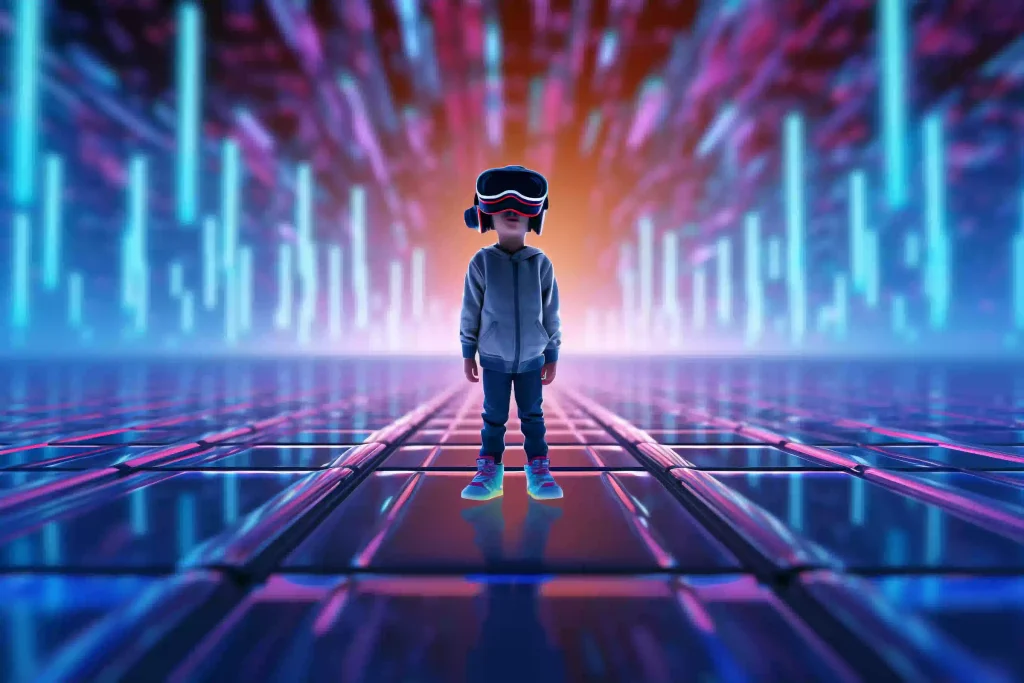
Real Impact: It will default if you default and fall back to some other method of teaching. When you are a master, it will make a quantum leap forward and instruct you in something you’ve never even imagined.
It’s not thinner laptops or faster phones — it’s making life simpler, smarter and more human. A day cleaned up by AI personal assistant, AR telling you what to wear, or a wearable technology that can save your life, the future revolution is one of being a part of daily life.
With 2026 coming, to be ahead of the curve is curiosity — it’s planning. To be ahead and construct prior to the fact doesn’t simply position you ahead — it places you for leadership.
Not only is the future coming — the future is coming faster than we can even comprehend.



Great insight! It’s exciting to think about how emerging technologies will soon transform every aspect of our daily lives. The future truly is just around the corner!